


Mirzo Ulug‘bek
tumani, Mirzo Ulug‘bek shoh ko‘chasi, 25-uy


Mirzo Ulug‘bek
tumani, Mirzo Ulug‘bek shoh ko‘chasi, 25-uy



25Aug

The speed of building construction directly impacts both cost and the time to start operation. Modern technologies significantly reduce construction duration, with sandwich panels being a prime example. Their use makes it possible to erect a building faster than with bricks, concrete, or aerated blocks, while maintaining high quality and durability. This article compares construction times across different methods and highlights the advantages of sandwich panels.
The faster the building is completed, the lower the expenses for equipment rental, labor, and other construction costs. However, speed should not compromise quality — the structure must meet standards and last for decades. In commercial projects, timing is crucial: sandwich panels allow earlier commissioning of facilities.
Panels are factory-made in ready-to-install sizes, including necessary accessories, which shortens the building cycle.
Key stages include:
For a medium-sized warehouse or hangar, the process usually takes from a few weeks to a couple of months.
Brickwork, aerated blocks, or concrete slabs require longer time and more resources. Traditional methods involve drying and curing cycles, along with significant manual labor. Wooden structures also need time for settling before finishing.
In contrast, sandwich panels combine insulation, protective, and decorative functions, and their installation is independent of season.
They are especially advantageous when speed is critical, such as for warehouses, industrial facilities, hangars, or retail pavilions.
Even for large-scale and complex projects, construction with sandwich panels remains time-efficient. As a result, the customer receives a durable, energy-efficient building much faster than with brick or concrete technologies.
 Читайте также
24Sep
Профнастил выпускают с защитным цинковым слоем и дополнительным полимерным покрытием. Оба варианта имеют стальную основу и подходят для разных строительных задач, но отличаются устойчивостью к внешней среде, внешним видом и особенностями эксплуатации. Поэтому выбирать материал стоит с учетом места монтажа и требований к конструкции. В чем разница между покрытиями Оцинкованный профнастил представляет собой стальной лист, […]
ПерейтиCorrugated sheet metal is suitable for roofs with different structural and operational requirements. However, you shouldn’t rely solely on the appearance or price of the sheet: the rigidity, load‑bearing capacity, and service life of the roof depend on the thickness of the steel, the height of the profile, and the protective coating. The right choice […]
Перейти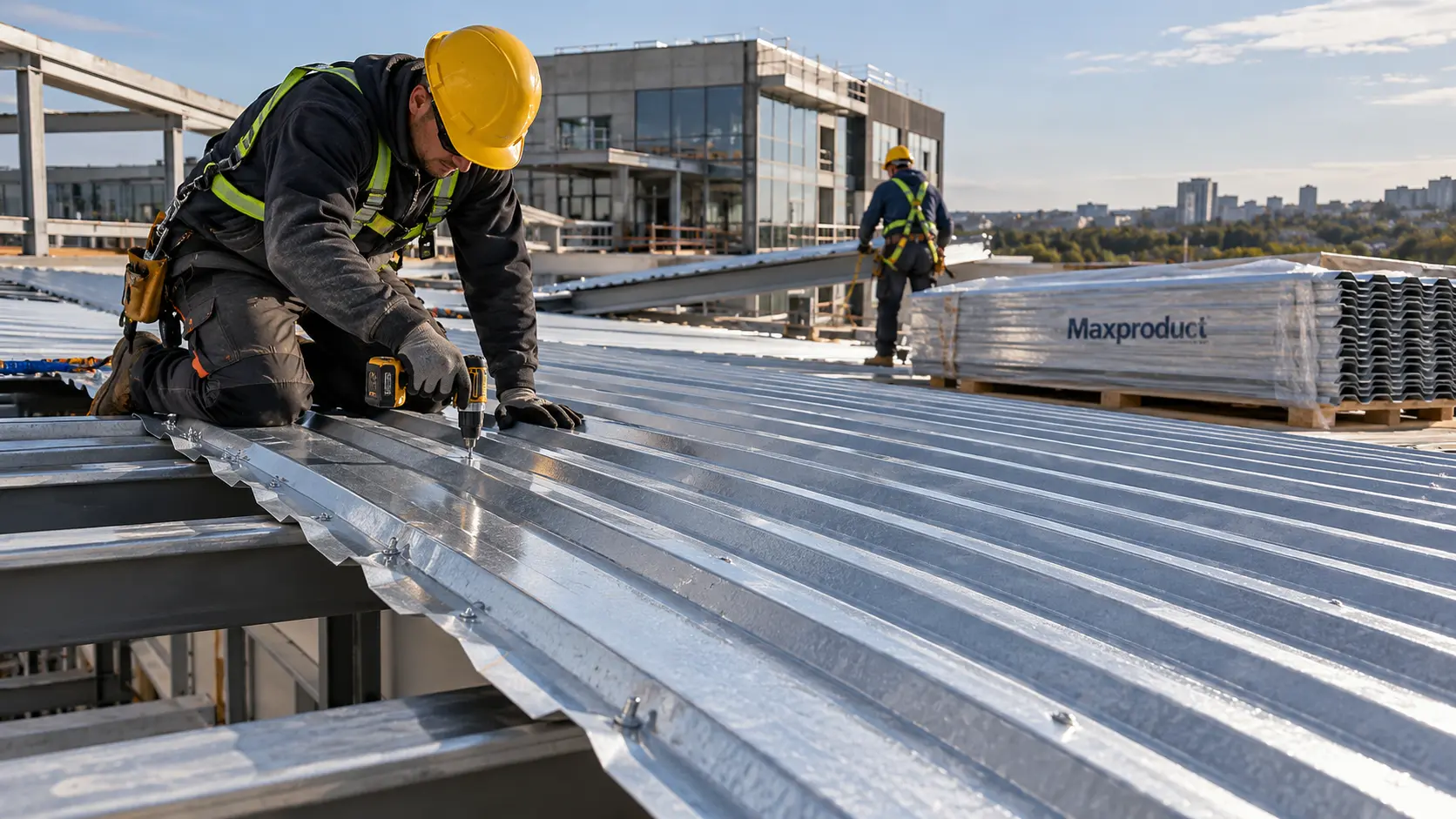
24Sep
24Sep
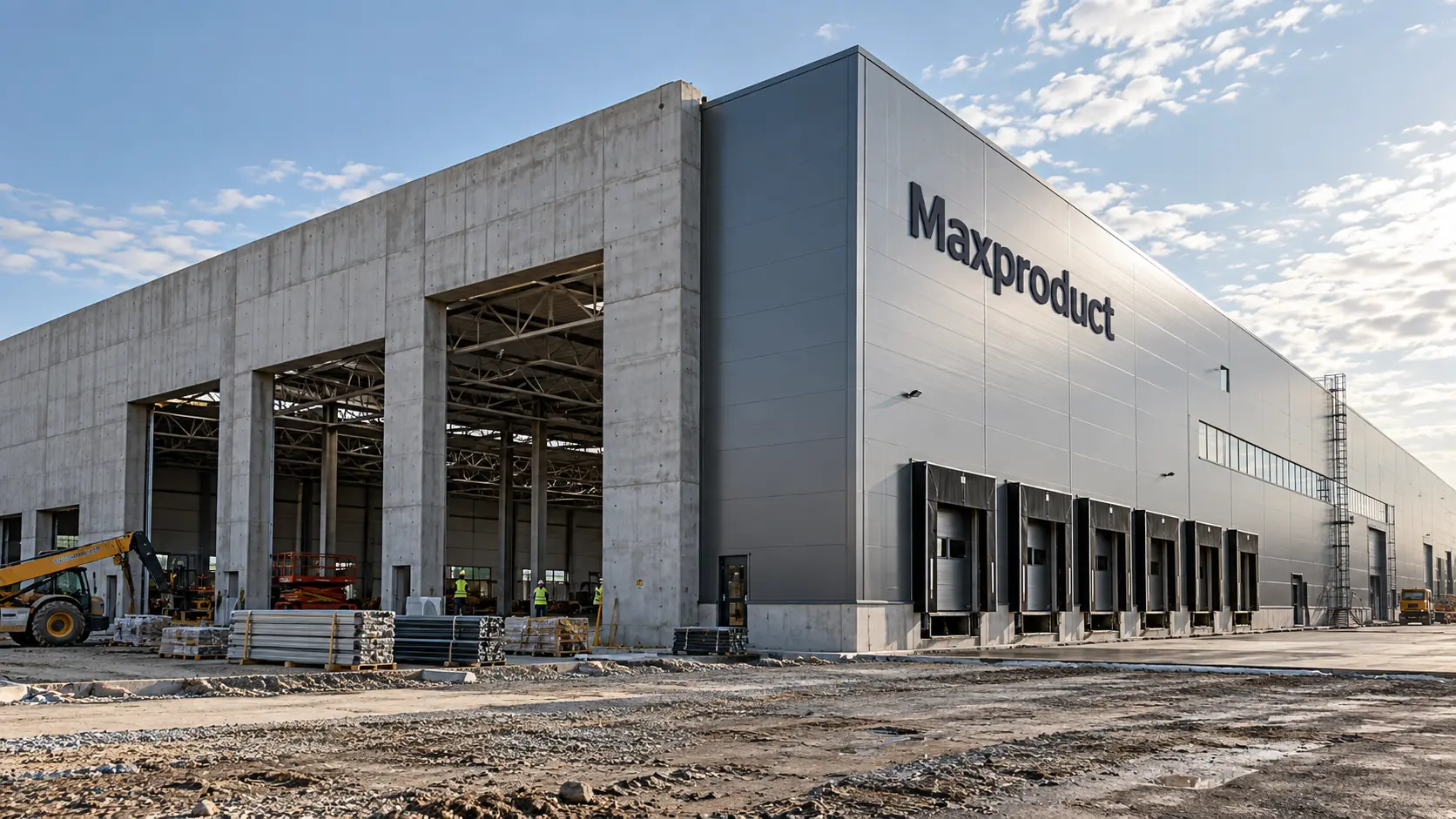
When constructing an industrial building, the walls must provide strength, thermal insulation, protection from the external environment, and ease of use. In practice, the choice often comes down to two solutions: concrete walls and sandwich panels. They should be compared based on construction time, load on the foundation, and operating conditions. h2 Concrete walls: advantages […]
Перейти


