


Mirzo Ulug‘bek
tumani, Mirzo Ulug‘bek shoh ko‘chasi, 25-uy


Mirzo Ulug‘bek
tumani, Mirzo Ulug‘bek shoh ko‘chasi, 25-uy



24Dec

Modern construction of prefabricated buildings increasingly relies on sandwich panels as a universal material for commercial and industrial buildings. At the same time, ventilation in buildings made of sandwich panels directly affects the microclimate, service life of structures, and operating conditions. Properly organized air exchange allows you to maintain the quality of the indoor environment and avoid hidden problems that manifest themselves in the first years of use of the facility.
Ventilation design begins at the building planning stage and must take into account its purpose, area, and technological processes. It is important to understand that the airtightness of the panels requires accurate calculation of air exchange, otherwise moisture and stale air will accumulate inside. That is why the system is selected individually, taking into account the climatic conditions of the region and the operating mode.
Before choosing equipment and an air exchange scheme, it is necessary to determine the key stages of ventilation organization:
After project implementation, it is important to carry out commissioning and regular parameter checks. This approach reduces operational risks and makes the solution durable. As a result, ventilation in warehouses made of sandwich panels or other facilities works stably and predictably.
The main task of ventilation is to maintain comfortable and safe conditions for people and equipment. In closed structures without a natural supply of fresh air, humidity rises quickly, which negatively affects the interior finish and structural elements. This is especially true for facilities with permanent staff.
In buildings of various purposes, ventilation performs several functions at once, which is especially noticeable in commercial and industrial projects:
In addition, a properly organized exhaust circuit reduces the load on load-bearing elements and extends the service life of the building. This is especially important for facilities where intensive production or storage of goods takes place.
Sandwich panels are characterized by high thermal insulation and a dense structure, which requires a special approach to air exchange. Such material practically does not allow air to pass through, so natural ventilation is often insufficient. As a result, mechanical solutions with precise flow control have to be used.
Specialized schemes are used for different types of facilities, whether it is ventilation of hangars made of sandwich panels or ventilation of agricultural buildings made of sandwich panels, where it is important to take biological factors into account. The price of the system depends on the complexity of the project, the area, and the equipment selected. Maxproduct, a company focused on the production and supply of panels, recommends installing ventilation at an early stage to optimize costs and ensure reliable air inside the building without unnecessary modifications in the future.
 Читайте также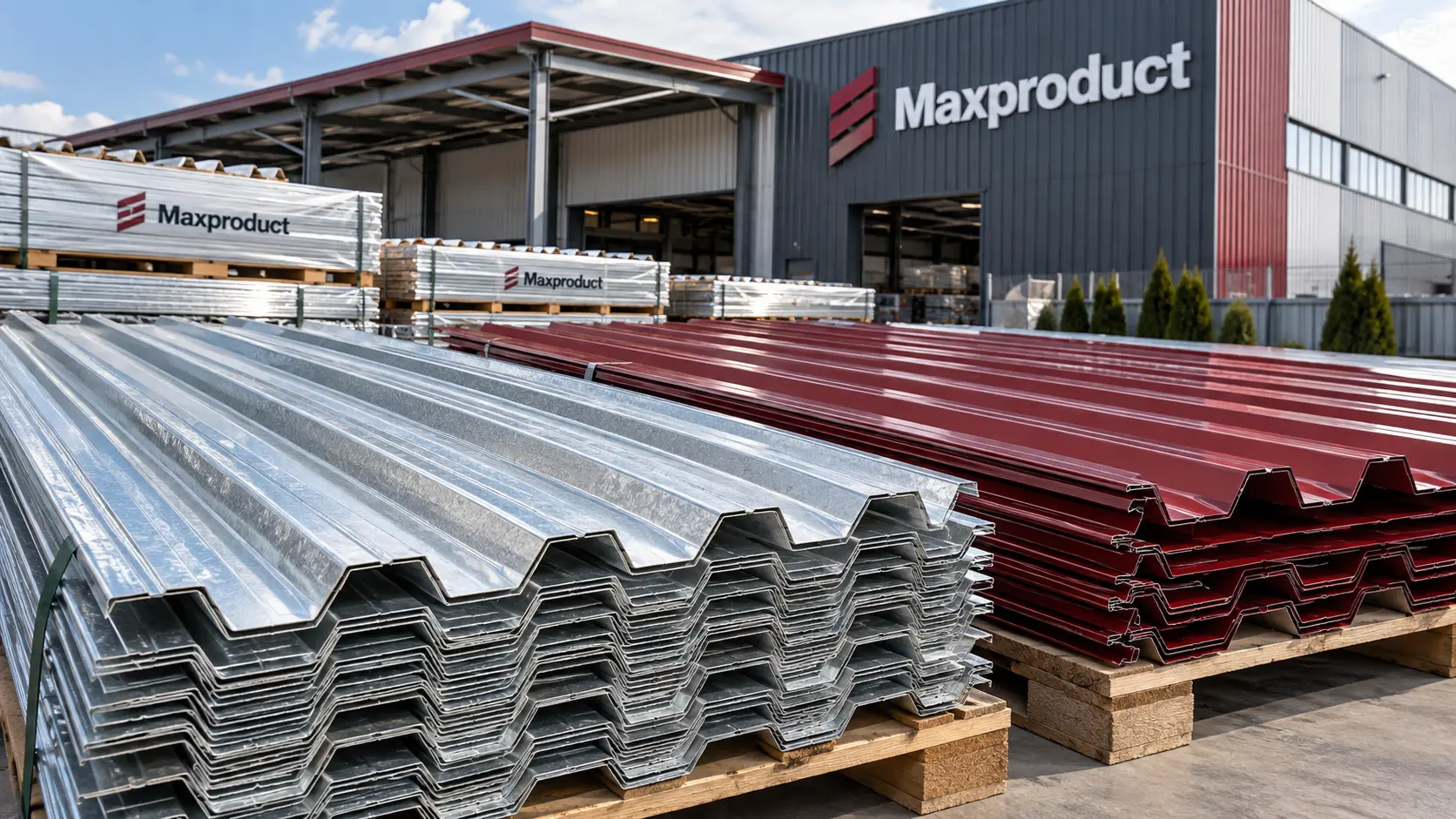
24Sep
Профнастил выпускают с защитным цинковым слоем и дополнительным полимерным покрытием. Оба варианта имеют стальную основу и подходят для разных строительных задач, но отличаются устойчивостью к внешней среде, внешним видом и особенностями эксплуатации. Поэтому выбирать материал стоит с учетом места монтажа и требований к конструкции. В чем разница между покрытиями Оцинкованный профнастил представляет собой стальной лист, […]
ПерейтиCorrugated sheet metal is suitable for roofs with different structural and operational requirements. However, you shouldn’t rely solely on the appearance or price of the sheet: the rigidity, load‑bearing capacity, and service life of the roof depend on the thickness of the steel, the height of the profile, and the protective coating. The right choice […]
Перейти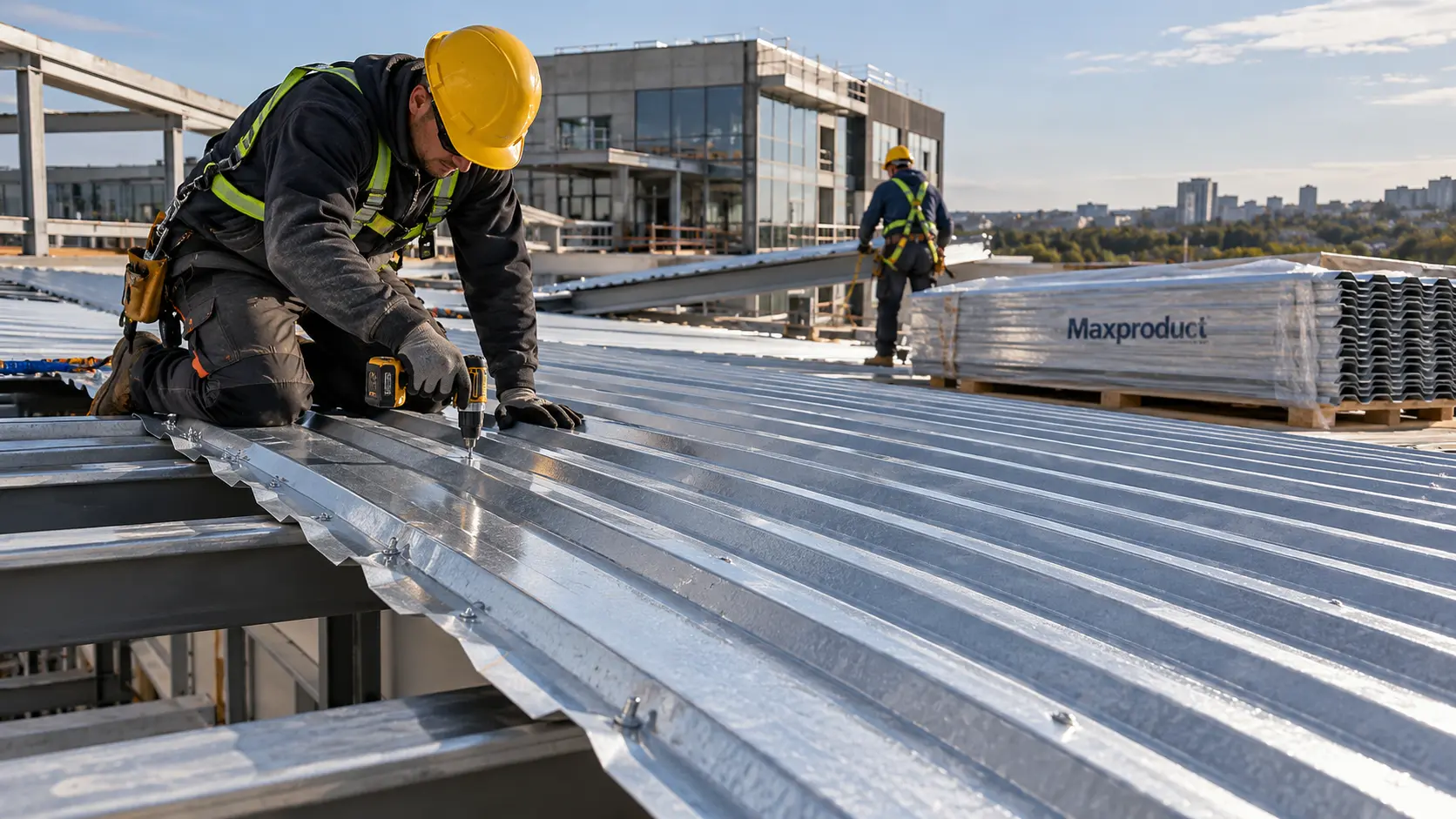
24Sep
24Sep
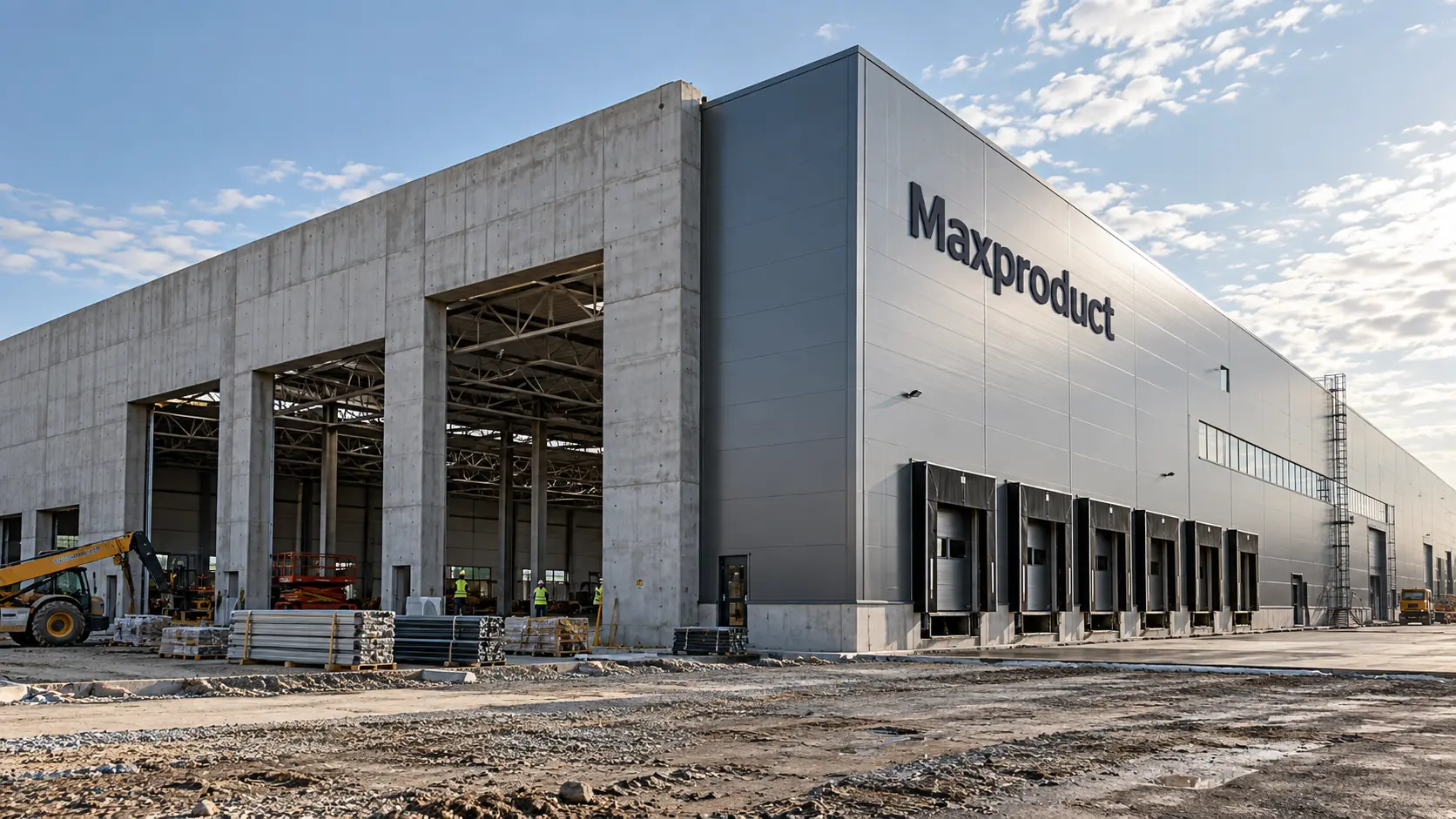
When constructing an industrial building, the walls must provide strength, thermal insulation, protection from the external environment, and ease of use. In practice, the choice often comes down to two solutions: concrete walls and sandwich panels. They should be compared based on construction time, load on the foundation, and operating conditions. h2 Concrete walls: advantages […]
Перейти


