


Mirzo Ulug‘bek
tumani, Mirzo Ulug‘bek shoh ko‘chasi, 25-uy


Mirzo Ulug‘bek
tumani, Mirzo Ulug‘bek shoh ko‘chasi, 25-uy



24Sep
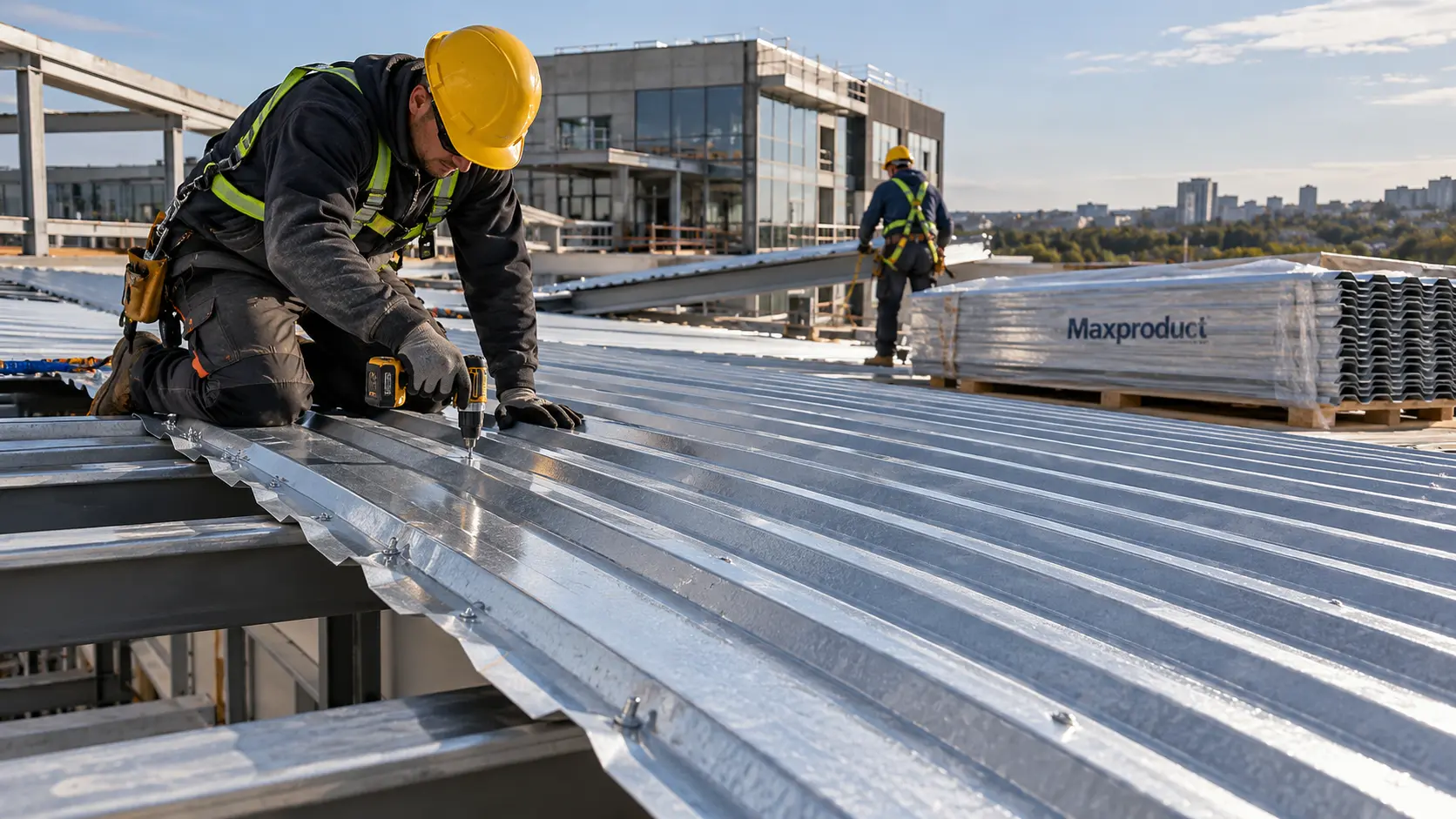
Corrugated sheet metal is suitable for roofs with different structural and operational requirements. However, you shouldn’t rely solely on the appearance or price of the sheet: the rigidity, load‑bearing capacity, and service life of the roof depend on the thickness of the steel, the height of the profile, and the protective coating. The right choice begins with calculating the loads and the specific features of the building.
We determine the purpose and profile
For roofs, profiles are used that are designed to withstand loads from the structure’s own weight, snow, wind, and other influences. The letter designation helps to understand the purpose of the sheet: C refers to wall profiles, H to load‑bearing ones, and NS combines the properties of the two types. The number in the marking indicates the height of the wave in millimeters.
For roofing, H and NS are more commonly considered. Load‑bearing corrugated sheet with a higher wave has greater rigidity and is suitable for areas where the roof experiences significant loads. NS is used where the requirements for load‑bearing capacity are lower, and the versatility of the material is of practical importance. A specific profile is selected after calculating the spacing of the sheathing, the span, and the design loads.
How to choose the thickness of the metal
The thickness of the steel affects the sheet’s rigidity, its ability to withstand loads, and its resistance to deformation. Thicker metal is used for roofing corrugated sheets than for lightweight wall structures, but there’s no need to increase the thickness without calculations. A combination of characteristics is important: the profile height, the distance between supports, the shape of the roof, and the expected loads. When choosing the thickness, you should take into account:
• snow and wind loads;
• the spacing of the sheathing or purlins;
• the length and configuration of the slope;
• the project’s requirements for the load‑bearing capacity of the roof.
The higher the load and the greater the distance between the supports, the stiffer the sheet must be. Therefore, there is no universal thickness for all roofs: the parameter is determined by calculation, not just by the intended purpose “for roofing”.
Why protective coating is important
Steel sheet is protected from corrosion by a zinc or other metal layer, and painted versions additionally receive a polymer coating. It affects not only the appearance but also the surface’s resistance to ultraviolet radiation, moisture, and mechanical stress. Therefore, the coating is selected taking into account the building’s operating conditions.
The most common option is polyester. It is suitable for many roofs and allows you to choose the desired color. Thicker or special polymer coatings are used when the material requires increased resistance to external influences. When making a choice, you should pay attention not only to the coating’s name but also to its thickness, the manufacturer’s specifications, and the warranty terms.
What else to check before purchasing
Even a correctly selected profile will not ensure a reliable roof without proper calculation of the sheet sizes and the amount of material. The length of the sheets should, if possible, reduce the number of transverse joints. It is also important to take into account overlaps, the laying direction, and suitable fasteners. Before ordering corrugated sheeting, it is useful to check several parameters, namely:
• the grade and height of the profile;
• the actual thickness of the steel;
• the type and characteristics of the protective coating;
• the length and working width of the sheet;
• the calculated amount of material and additional components.
Special attention is paid to the quality of cutting and the condition of the protective layer. Damaged areas of the metal coating become vulnerable to corrosion, so during installation, sheets should not be cut with a tool that significantly heats the metal.
How to make a choice
When selecting roofing corrugated sheet metal, it is important to determine the design loads and operating conditions in advance. The optimal option is selected not based on a single criterion, but on a combination of load, profile, steel thickness, coating, and operating conditions. The requirements may vary significantly for the roof of a private house, a canopy, a warehouse, or an industrial building. This approach allows you to avoid overpaying for unnecessary features while still not skimping on the parameters that determine the roof’s reliability.
 Читайте также
24Sep
Профнастил выпускают с защитным цинковым слоем и дополнительным полимерным покрытием. Оба варианта имеют стальную основу и подходят для разных строительных задач, но отличаются устойчивостью к внешней среде, внешним видом и особенностями эксплуатации. Поэтому выбирать материал стоит с учетом места монтажа и требований к конструкции. В чем разница между покрытиями Оцинкованный профнастил представляет собой стальной лист, […]
ПерейтиCorrugated sheet metal is suitable for roofs with different structural and operational requirements. However, you shouldn’t rely solely on the appearance or price of the sheet: the rigidity, load‑bearing capacity, and service life of the roof depend on the thickness of the steel, the height of the profile, and the protective coating. The right choice […]
Перейти
24Sep
24Sep
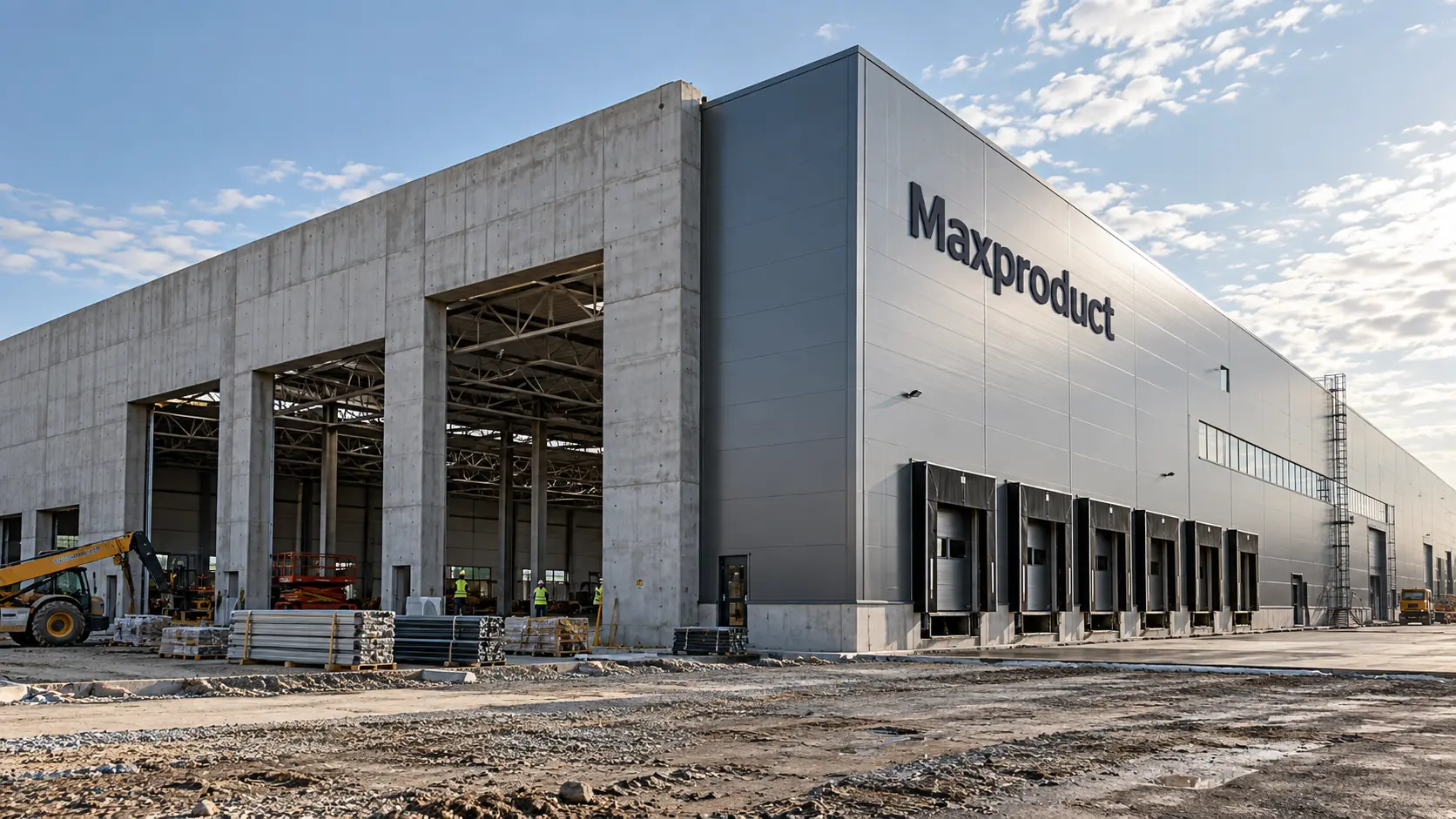
When constructing an industrial building, the walls must provide strength, thermal insulation, protection from the external environment, and ease of use. In practice, the choice often comes down to two solutions: concrete walls and sandwich panels. They should be compared based on construction time, load on the foundation, and operating conditions. h2 Concrete walls: advantages […]
Перейти


