


Mirzo Ulug‘bek
tumani, Mirzo Ulug‘bek shoh ko‘chasi, 25-uy


Mirzo Ulug‘bek
tumani, Mirzo Ulug‘bek shoh ko‘chasi, 25-uy



24Sep
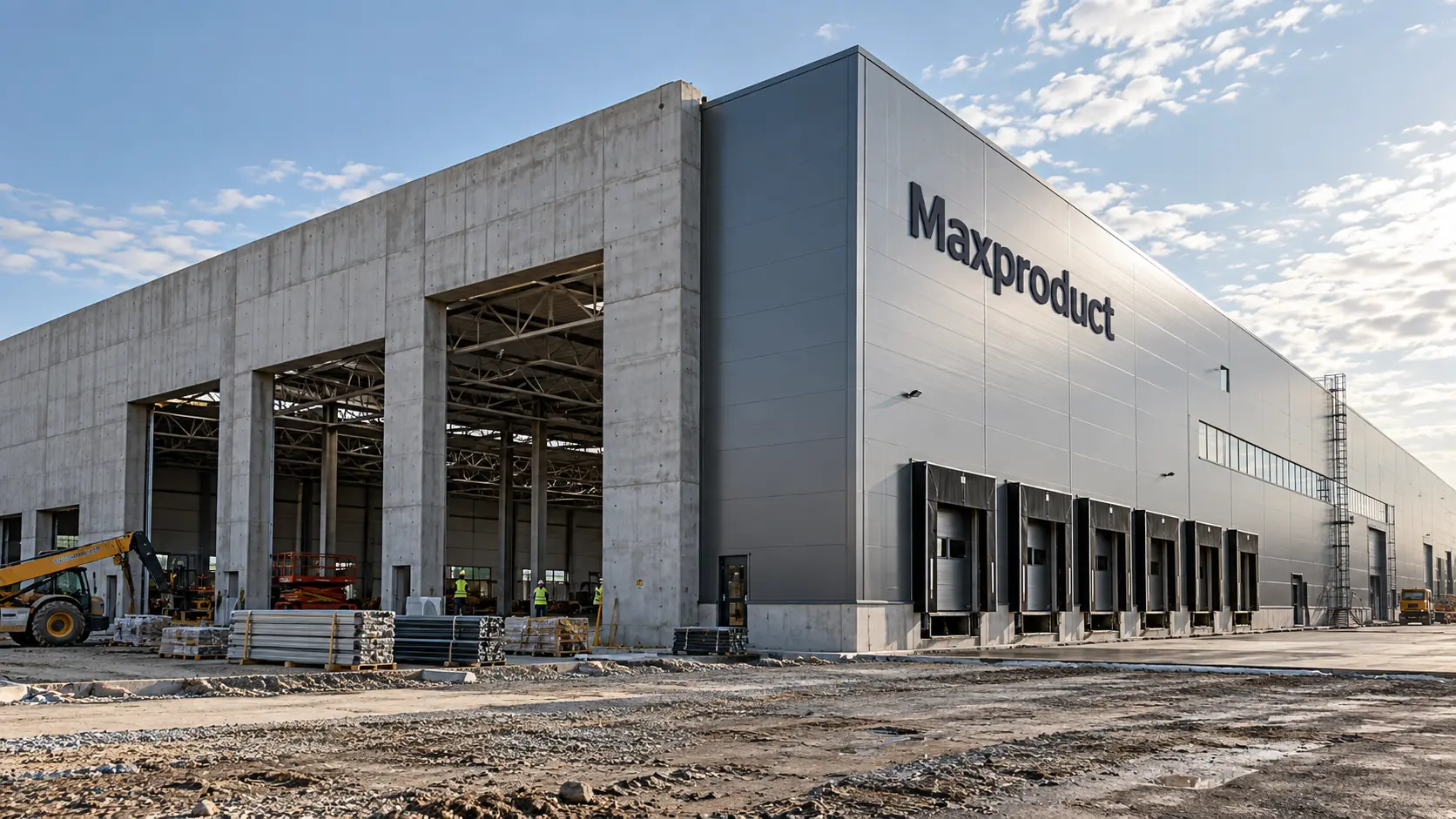
When constructing an industrial building, the walls must provide strength, thermal insulation, protection from the external environment, and ease of use. In practice, the choice often comes down to two solutions: concrete walls and sandwich panels. They should be compared based on construction time, load on the foundation, and operating conditions.
h2 Concrete walls: advantages and limitations
Concrete is in demand in industrial construction when high mechanical strength is required from enclosing structures. Monolithic or precast reinforced concrete walls are well suited for buildings where massiveness, resistance to impacts, and durability are important. The advantages of concrete walls include:
• high strength and resistance to mechanical impacts;
• durability with proper design and adherence to the technology;
• the non‑flammability of concrete;
• the possibility of using the walls as part of the building’s load‑bearing structure.
Capital construction in this case involves a large volume of work. Concrete walls require ground preparation, formwork installation, or the installation of precast elements, reinforcement, concreting, and time for the concrete to gain strength. If the building needs to be put into operation quickly, the duration of these processes becomes a limitation. In addition, concrete walls usually require additional insulation, which complicates the structure.
Sandwich panels: strengths and weaknesses
A sandwich panel consists of metal cladding and a thermal insulation core. Mineral wool or polyisocyanurate foam is used as insulation. The factory‑ready components and low weight make it possible to quickly assemble walls on a frame without wet processes. Advantages of sandwich panels for an industrial building:
• high installation speed and reduced construction time;
• low weight, which reduces the load on the foundation and frame;
• built‑in thermal insulation;
• the possibility of installation without technological interruptions for concrete drying;
• sealed joints that reduce heat loss;
• the option to choose the thickness and type of insulation to suit the operating conditions..
This solution also has some limitations. The panels require careful transportation, storage, and installation: damage to the cladding or errors in jointing can impair the wall’s performance. We also add that the choice of thickness and filler should not be limited solely to the minimum price. At the design stage, for facilities with specific temperature conditions, humidity levels, or fire safety requirements, the panels are selected taking these features into account.
What to choose for an industrial building
If massiveness and high mechanical resistance are important, concrete walls may be a fully justified solution. They are suitable for structures that must withstand significant loads or operate under intense mechanical stress. For warehouses, production buildings, hangars, and other facilities where construction speed and thermal insulation are important, sandwich panels offer more practical advantages. The comparison based on key parameters is as follows:
• construction speed: sandwich panels have an advantage;
• thermal insulation: it is built into the structure of the panels, while concrete usually requires additional insulation;
• load on the foundation: lower when using lightweight panels;
• mechanical strength: the advantage lies with massive concrete structures.
• work organization: panels are installed faster and without wet processes;
• adaptation to the project: the thickness and type of core can be selected for the panels in accordance with the operating conditions.
Thus, sandwich panels combine fast installation, low weight, and thermal insulation. Concrete retains its advantages under high mechanical loads. Therefore, for many industrial buildings, panels become a more practical option, allowing to reduce construction time and obtain enclosing structures with the required performance characteristics. It should be added that when choosing a solution, it is important to take into account the purpose of the facility, climatic conditions, fire safety requirements, and design loads.
 Читайте также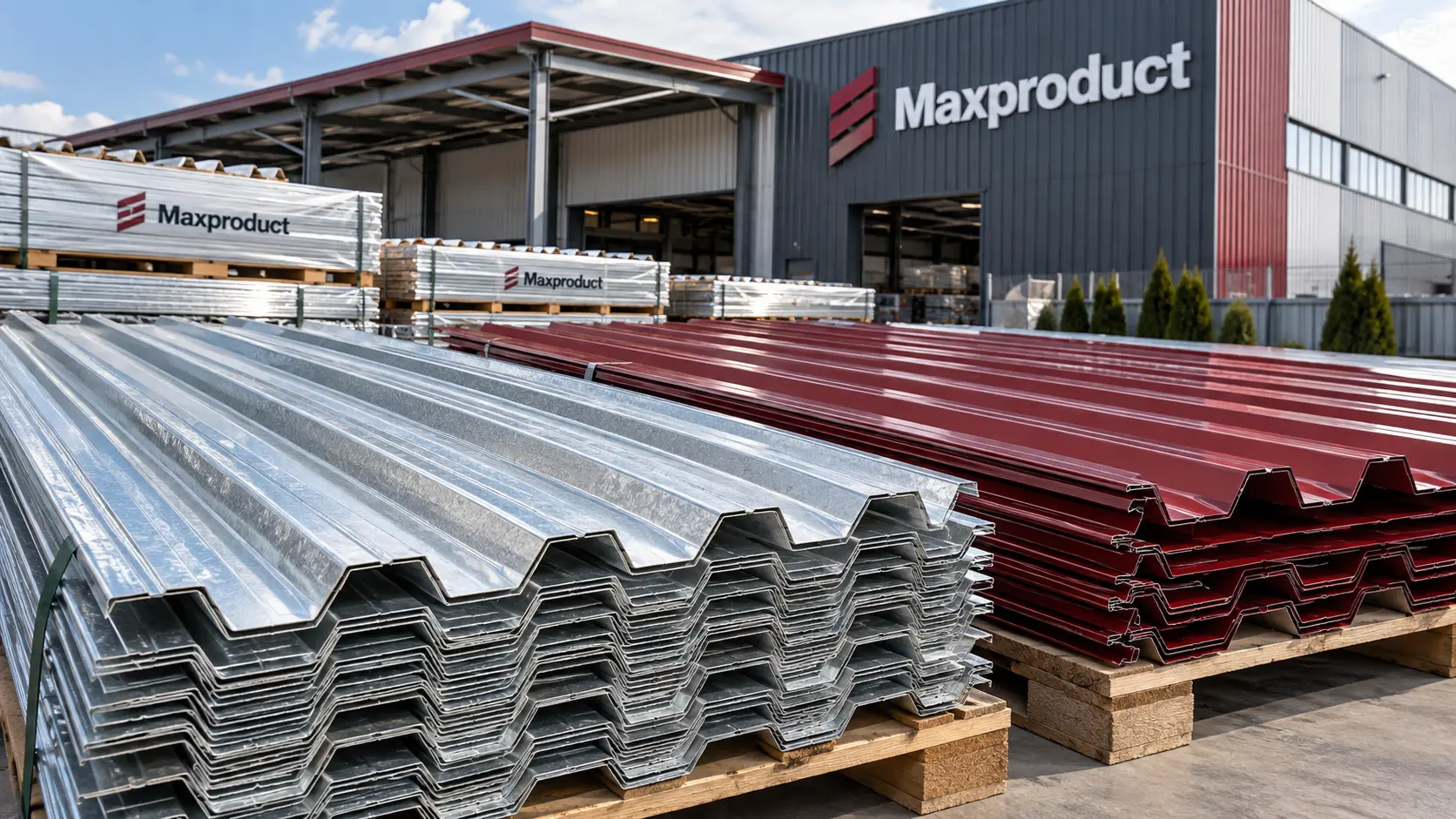
24Sep
Профнастил выпускают с защитным цинковым слоем и дополнительным полимерным покрытием. Оба варианта имеют стальную основу и подходят для разных строительных задач, но отличаются устойчивостью к внешней среде, внешним видом и особенностями эксплуатации. Поэтому выбирать материал стоит с учетом места монтажа и требований к конструкции. В чем разница между покрытиями Оцинкованный профнастил представляет собой стальной лист, […]
ПерейтиCorrugated sheet metal is suitable for roofs with different structural and operational requirements. However, you shouldn’t rely solely on the appearance or price of the sheet: the rigidity, load‑bearing capacity, and service life of the roof depend on the thickness of the steel, the height of the profile, and the protective coating. The right choice […]
Перейти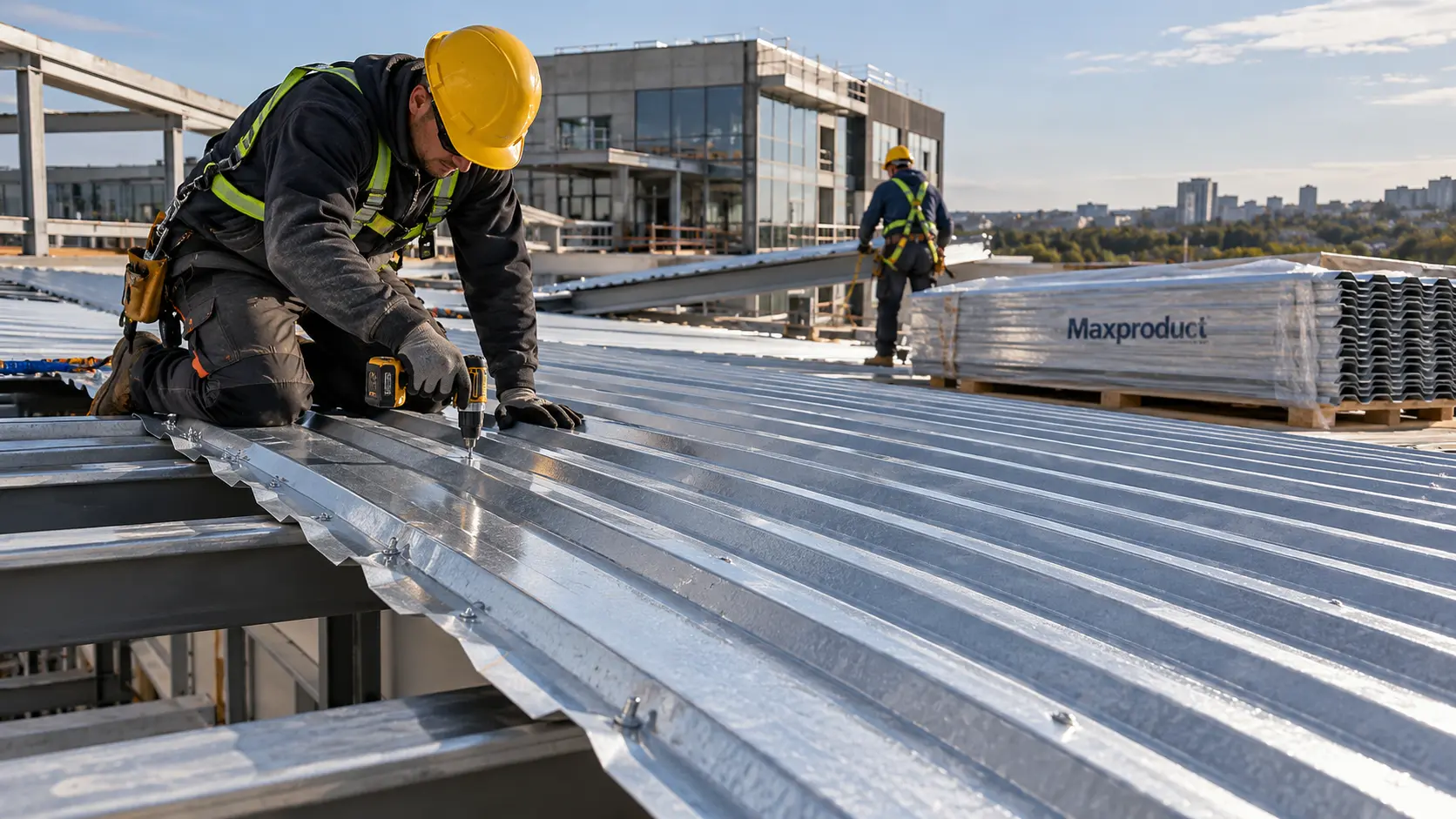
24Sep
24Sep
When constructing an industrial building, the walls must provide strength, thermal insulation, protection from the external environment, and ease of use. In practice, the choice often comes down to two solutions: concrete walls and sandwich panels. They should be compared based on construction time, load on the foundation, and operating conditions. h2 Concrete walls: advantages […]
Перейти


