


Mirzo Ulug‘bek
tumani, Mirzo Ulug‘bek shoh ko‘chasi, 25-uy


Mirzo Ulug‘bek
tumani, Mirzo Ulug‘bek shoh ko‘chasi, 25-uy



25Aug

Modern buildings require not only an aesthetic appearance but also high energy efficiency. Ventilated facades are considered an optimal solution for thermal insulation, moisture protection, and structural durability. If you are planning to purchase sandwich panels for cladding directly from a manufacturer, it is important to evaluate not only the cost but also installation features, durability, and operational performance. This article compares corrugated metal sheets and sandwich panels as facade cladding materials.
A ventilated facade is a system where the cladding layer separates the building’s wall from the external environment, leaving an air gap between them. This design improves thermal insulation, protects the wall from moisture, and extends the building’s lifespan. Ventilated facades made of sandwich panels and corrugated sheets are widely used in commercial, industrial, and residential projects due to their easy installation and flexibility in combining materials.
The chosen material determines the facade’s thermal insulation, durability, and appearance. A wrong decision may lead to higher maintenance and repair costs. Moreover, the price difference between sandwich panels and corrugated sheets is significant, so financial aspects must also be considered.
Installing sandwich panels requires precision and compliance with technical standards, while installing corrugated sheets requires knowledge of metal framework assembly. The durability of the facade depends on panel thickness, insulation quality, and resistance to external factors.
Sandwich panels, widely used in Tashkent, are known for their excellent thermal insulation and moisture resistance. Wall sandwich panels reliably protect the building and are easy to install. Vertical panels simplify facade cladding, while insulation reduces heat loss.
Key advantages:
Drawbacks include a higher price compared to corrugated sheets and the need for careful installation to avoid damage.
Corrugated metal sheets, with a wavy or trapezoidal shape, are used as facade materials due to their durability and affordability. They are suitable for buildings with low thermal insulation requirements and projects with short construction deadlines.
Key points to consider:
The choice depends on thermal insulation, durability, cost, and installation complexity:
Conclusion: The choice depends on your insulation requirements, deadlines, and budget.
 Читайте также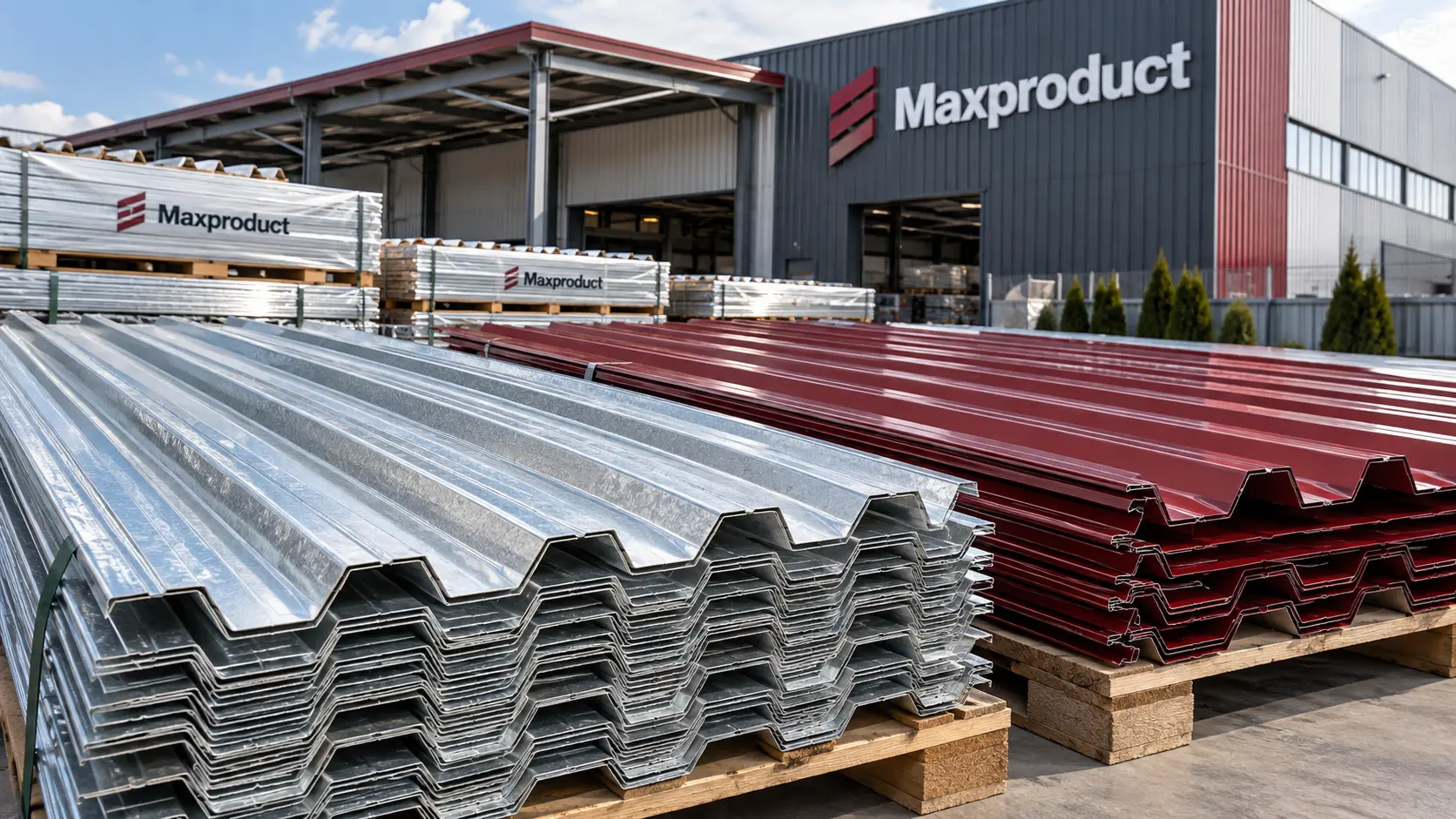
24Sep
Профнастил выпускают с защитным цинковым слоем и дополнительным полимерным покрытием. Оба варианта имеют стальную основу и подходят для разных строительных задач, но отличаются устойчивостью к внешней среде, внешним видом и особенностями эксплуатации. Поэтому выбирать материал стоит с учетом места монтажа и требований к конструкции. В чем разница между покрытиями Оцинкованный профнастил представляет собой стальной лист, […]
ПерейтиCorrugated sheet metal is suitable for roofs with different structural and operational requirements. However, you shouldn’t rely solely on the appearance or price of the sheet: the rigidity, load‑bearing capacity, and service life of the roof depend on the thickness of the steel, the height of the profile, and the protective coating. The right choice […]
Перейти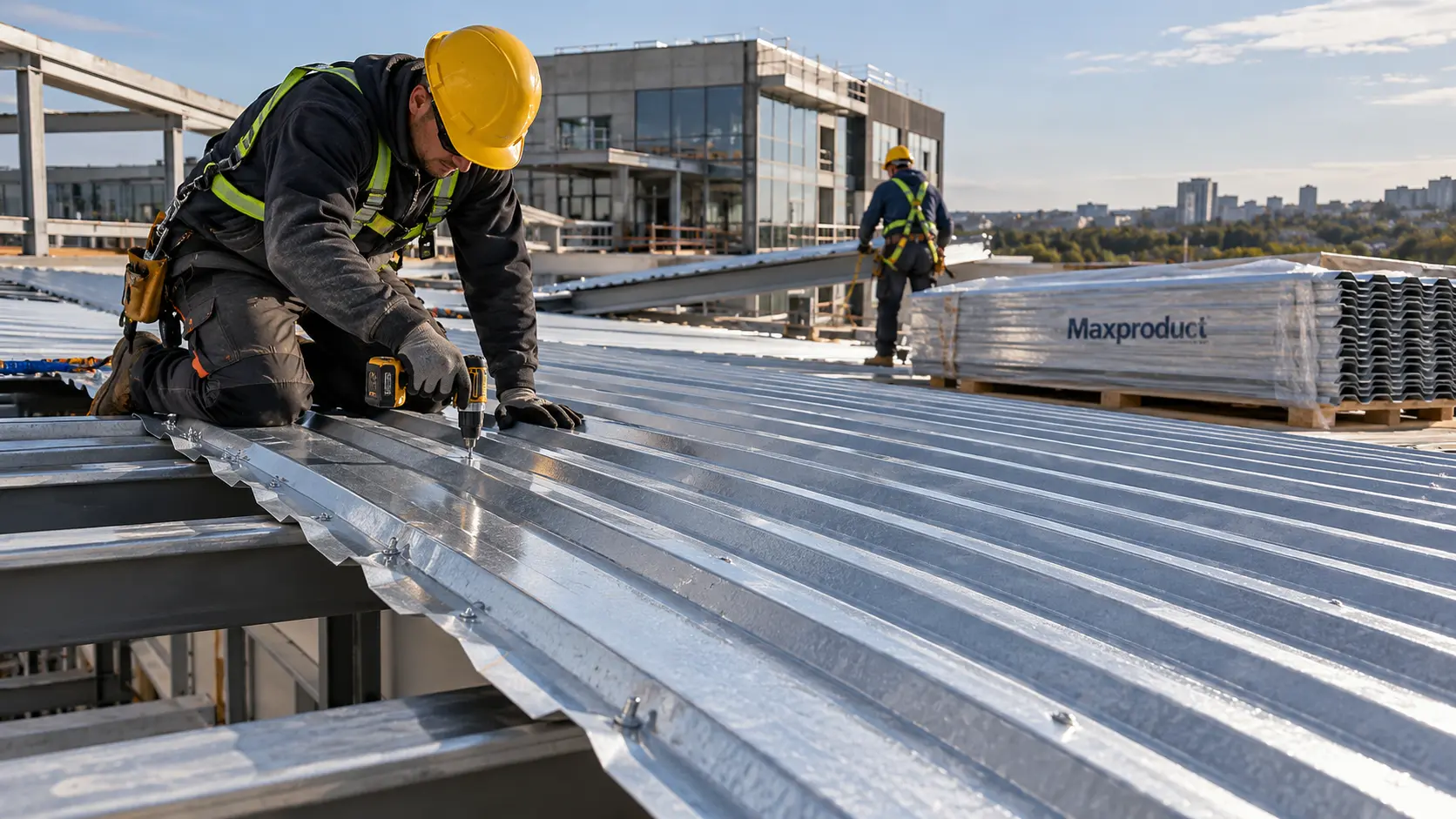
24Sep
24Sep
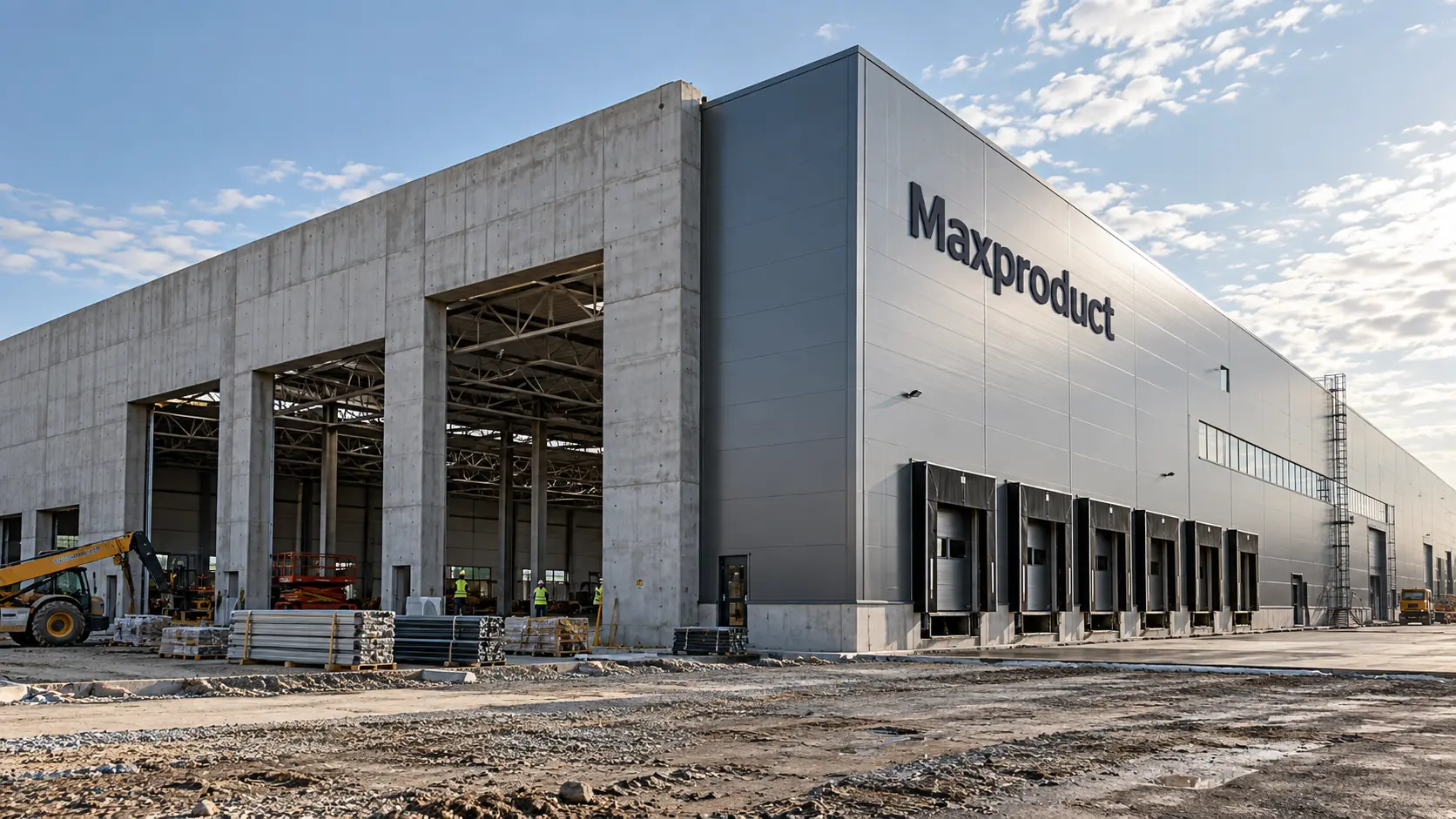
When constructing an industrial building, the walls must provide strength, thermal insulation, protection from the external environment, and ease of use. In practice, the choice often comes down to two solutions: concrete walls and sandwich panels. They should be compared based on construction time, load on the foundation, and operating conditions. h2 Concrete walls: advantages […]
Перейти


