


Mirzo Ulug‘bek
tumani, Mirzo Ulug‘bek shoh ko‘chasi, 25-uy


Mirzo Ulug‘bek
tumani, Mirzo Ulug‘bek shoh ko‘chasi, 25-uy



10Apr

Metal sandwich panels are unique structures that consist of two metal sheets, between which there is a layer of insulation. This design provides high strength and thermal insulation, making them an ideal choice for a wide range of construction projects.
When working with metal sandwich panels, it is necessary to take into account their unique characteristics and features that determine their application in various areas of construction and production. This article will talk about the specifics of such a building material and the features of its application.
One of the key features of metal sandwich panels is the material from which they are made. Steel is most often used for the production of such panels. This is due to the high strength and resistance to external influences of this material, which makes sandwich panels reliable and durable. Aluminum and other metals can also be used in production.
The thickness of metal sheets of sandwich panels varies from 0.4 to 0.8 mm, which provides the necessary strength and stability of the structure. In addition, high-quality steel with different characteristics such as corrosion and weather resistance is used for optimal results. Metal sandwich panels can be coated with various protective layers (electroplating, powder coating or polymer coating), which increases their durability and resistance to environmental influences.
Three-layer sandwich panels are structural elements consisting of three layers: two metal sheets and a layer of insulation located between them. They have improved thermal insulation and sound insulation properties compared to single-layer panels, making them an ideal choice for applications in various operating conditions.
Three-layer sandwich panels provide effective protection against temperature extremes, moisture, noise and other external factors, which makes them especially popular in the construction of buildings with increased requirements for heat and sound insulation.
Metal sandwich panels are widely used in the construction of various facilities, including industrial buildings, warehouses, office complexes, shopping malls, and residential buildings. They are used for both exterior and interior walls and partitions, as well as for roofs and building facades.
Due to their strength, reliability and aesthetic appearance, metal sandwich panels are a popular and sought-after material in modern construction. It is important to note that when choosing such a material, it is necessary to take into account the technical characteristics, requirements for heat and sound insulation, as well as the operating conditions of the facility.
 Читайте также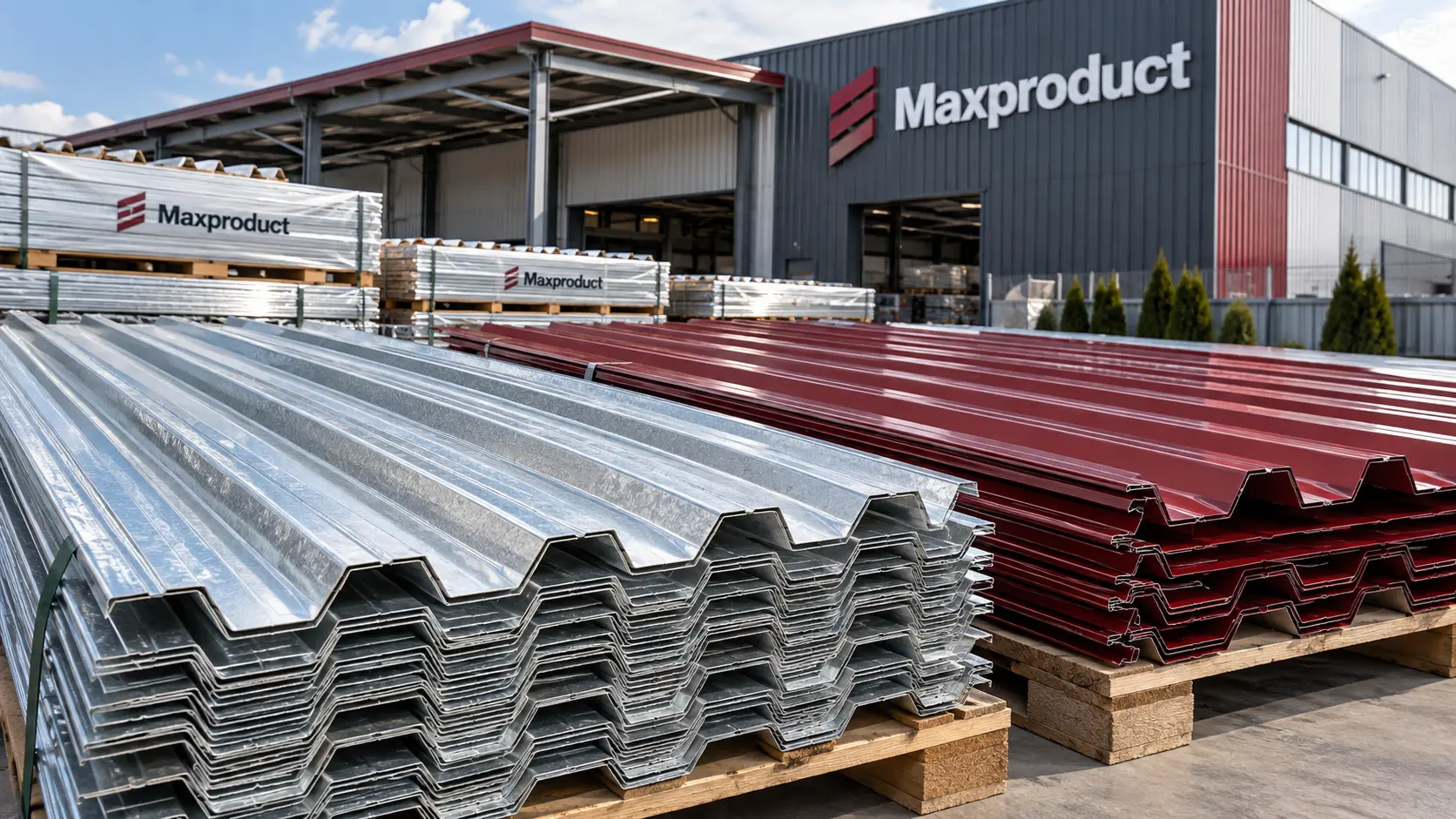
24Sep
Профнастил выпускают с защитным цинковым слоем и дополнительным полимерным покрытием. Оба варианта имеют стальную основу и подходят для разных строительных задач, но отличаются устойчивостью к внешней среде, внешним видом и особенностями эксплуатации. Поэтому выбирать материал стоит с учетом места монтажа и требований к конструкции. В чем разница между покрытиями Оцинкованный профнастил представляет собой стальной лист, […]
ПерейтиCorrugated sheet metal is suitable for roofs with different structural and operational requirements. However, you shouldn’t rely solely on the appearance or price of the sheet: the rigidity, load‑bearing capacity, and service life of the roof depend on the thickness of the steel, the height of the profile, and the protective coating. The right choice […]
Перейти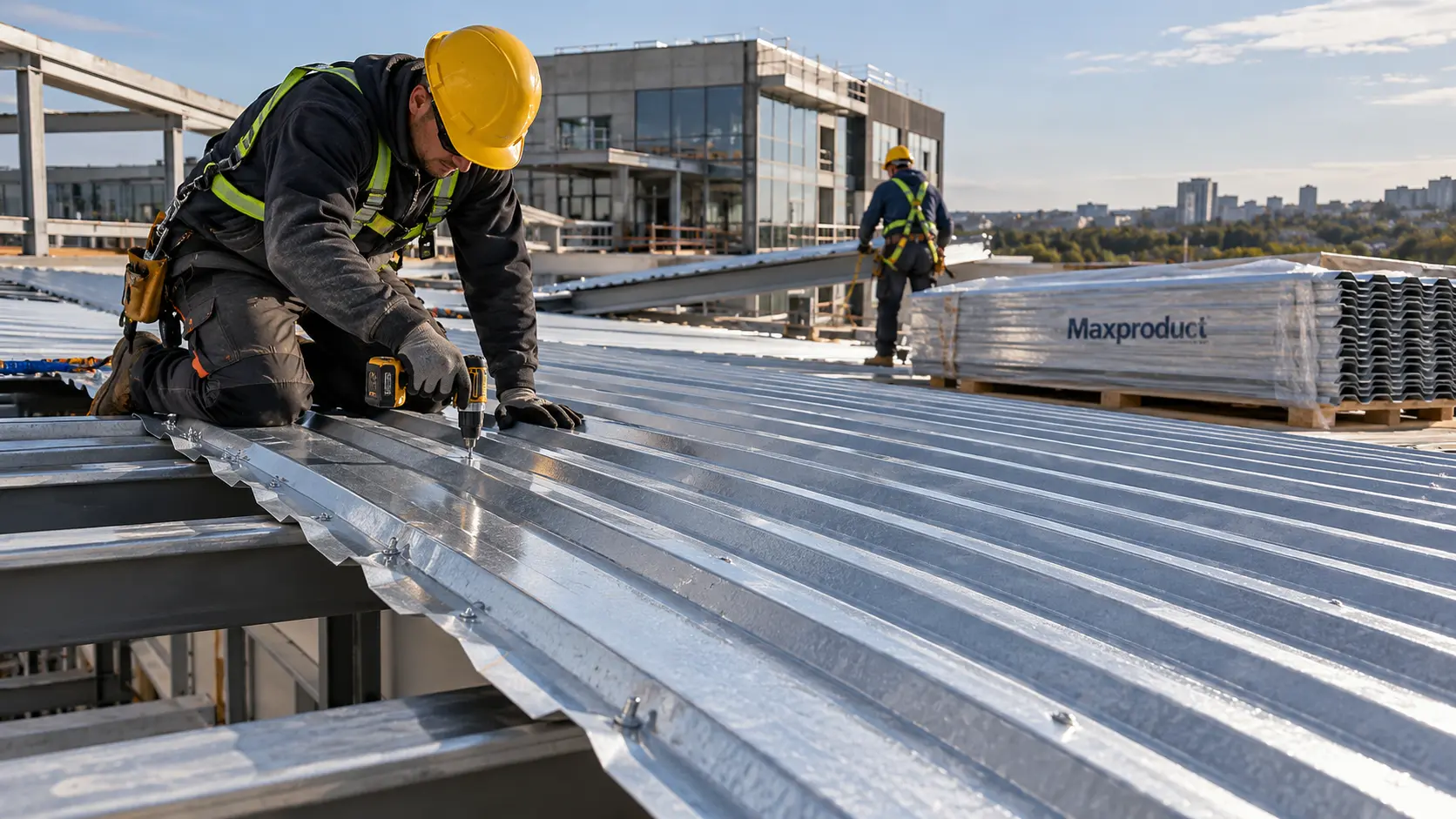
24Sep
24Sep
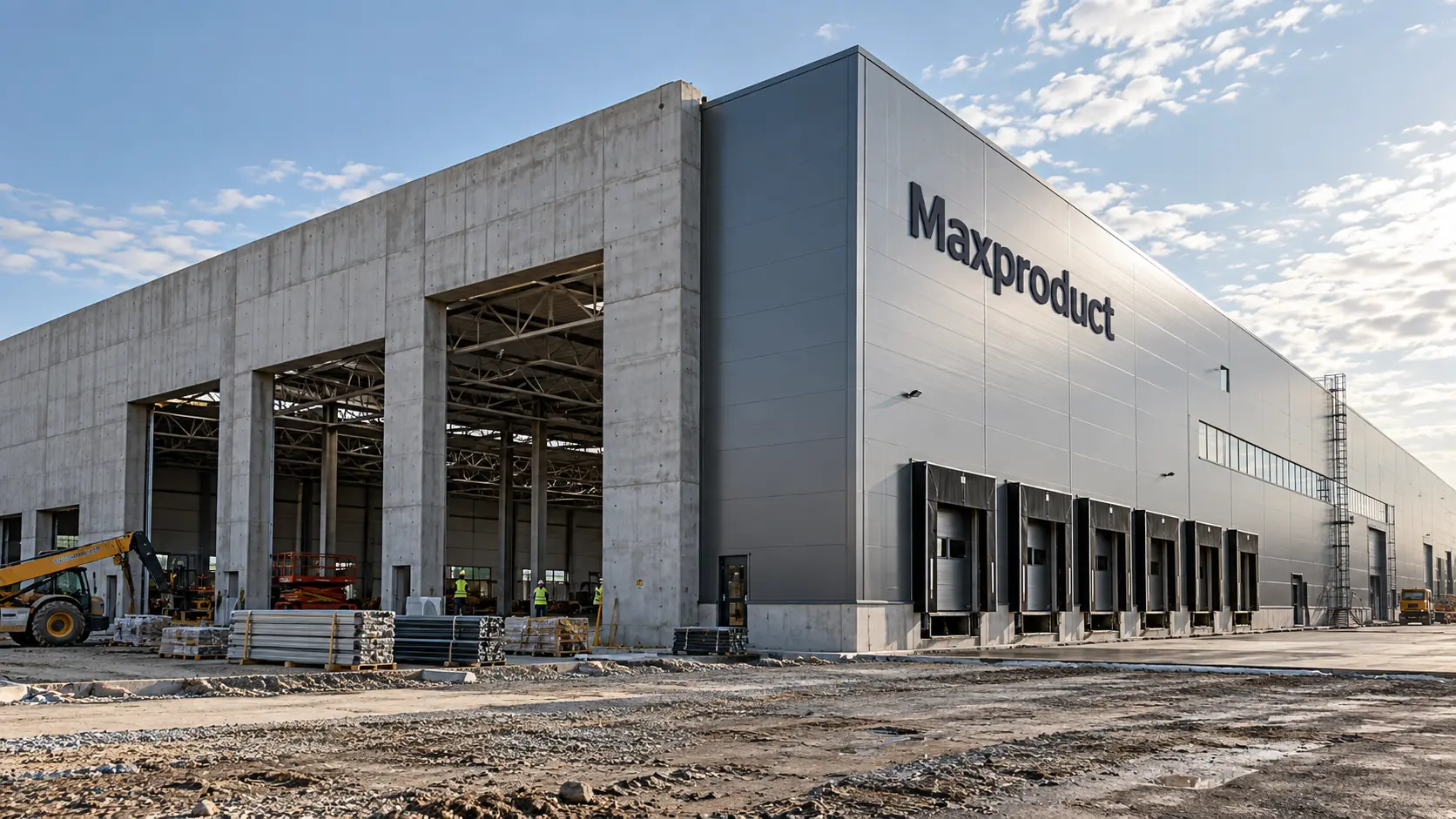
When constructing an industrial building, the walls must provide strength, thermal insulation, protection from the external environment, and ease of use. In practice, the choice often comes down to two solutions: concrete walls and sandwich panels. They should be compared based on construction time, load on the foundation, and operating conditions. h2 Concrete walls: advantages […]
Перейти


