


Mirzo Ulug‘bek
tumani, Mirzo Ulug‘bek shoh ko‘chasi, 25-uy


Mirzo Ulug‘bek
tumani, Mirzo Ulug‘bek shoh ko‘chasi, 25-uy



27Jan

Modern sandwich is actively used in construction due to the speed of installation and energy efficiency, but it is the fire aspect that becomes crucial when choosing solutions. For any building, the safety of people, the safety of property and compliance with regulations are important. Fire resistance, fire hazard class and flammability directly depend on the composition of the panel and the insulation used. Therefore, understanding the requirements and characteristics of the material can reduce the risk and ensure reliable operation of the facility.
Fire safety of enclosing structures is determined by their behavior when exposed to fire and high temperature. The ability of the structure to maintain its load-bearing properties, prevent the spread of flames and release toxic products is taken into account. For this purpose, a technical approach is used, which is fixed in regulatory documents and confirmed by tests.
The main parameters used to evaluate the material include the following characteristics:
It is the combination of these factors that determines how safe the design is for humans and is suitable for specific operating conditions.
The design takes into account the limit during which the elements retain their functionality under fire. This indicator applies both to a single panel and to the entire building as a whole. It is especially important to take it into account for objects with a large number of people and for the industrial segment.
In regulatory practice, the following evaluation guidelines are used:
Compliance with these indicators is a mandatory requirement for putting an object into operation.
Each structure is assigned a class that reflects the level of risk in case of fire. The fire hazard class takes into account not only the material itself, but also its interaction with other building elements. It is determined on the basis of tests and fixed in the documentation.
The classification takes into account the following aspects:
The lower the indicator, the higher the level of protection and the wider the scope of the design.
The regulatory documentation uses a single notation language that allows you to unambiguously interpret the characteristics. They are used in design and technical documentation, as well as during inspections by supervisory authorities. Knowing these designations makes it easier to monitor compliance and select solutions.
The most common designations include:
The presence of such a certificate is a prerequisite for the use of products on the site.
Combustibility is one of the key indicators that assesses insulation and the entire structure as a whole. It shows how the material behaves when exposed to fire and how actively it participates in its development. For sandwich panels, this parameter is especially important, since the inner layer determines the overall behavior of the system.
There are the following groups used in the classification:
Compliance with fire safety requirements, SNIP standards and current regulations allows you to use the fire resistance of sandwich panels effectively and safely. This approach ensures the reliability of the structure, reduces the risk to civilian objects and guarantees compliance with established standards.
 Читайте также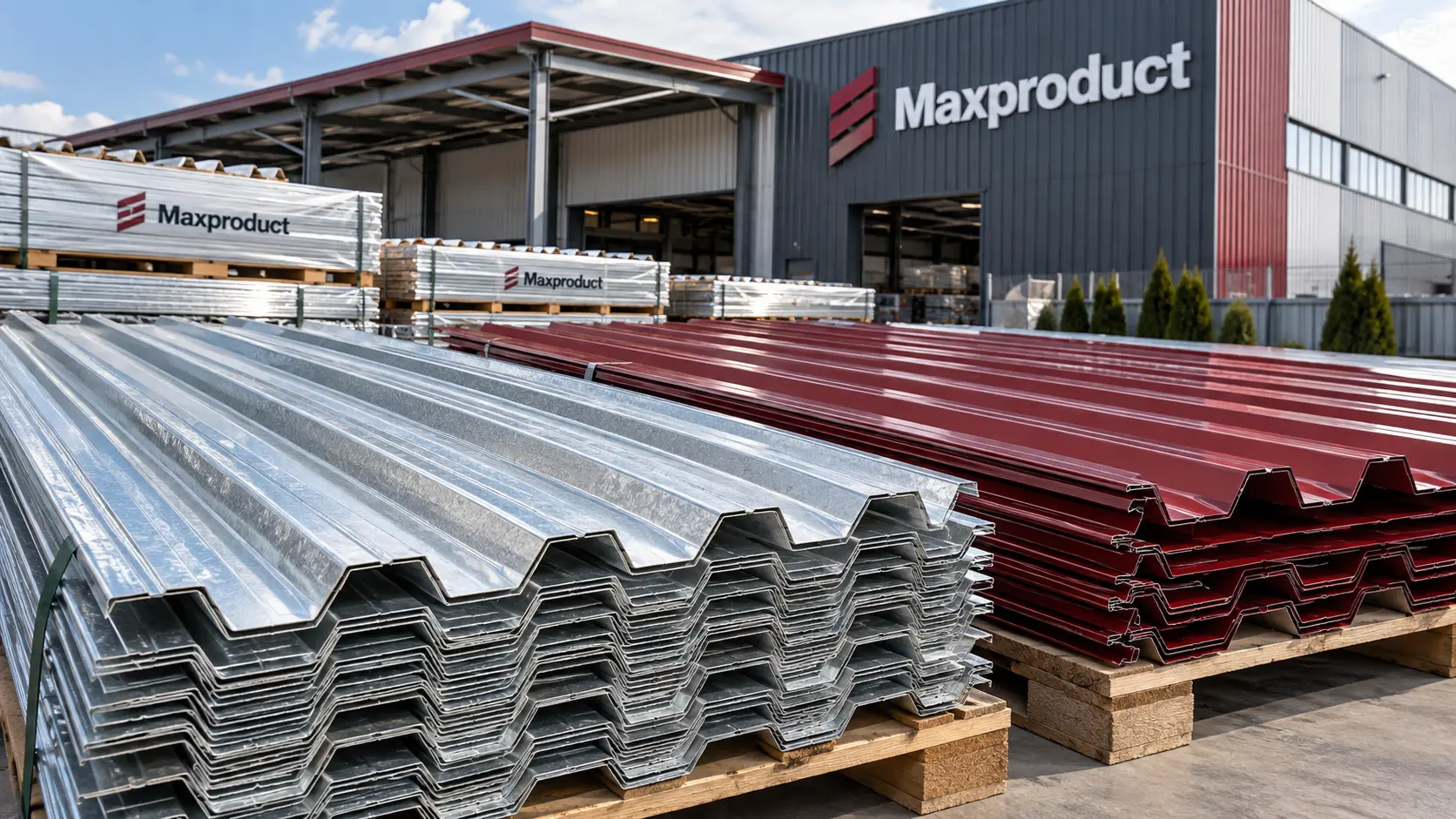
24Sep
Профнастил выпускают с защитным цинковым слоем и дополнительным полимерным покрытием. Оба варианта имеют стальную основу и подходят для разных строительных задач, но отличаются устойчивостью к внешней среде, внешним видом и особенностями эксплуатации. Поэтому выбирать материал стоит с учетом места монтажа и требований к конструкции. В чем разница между покрытиями Оцинкованный профнастил представляет собой стальной лист, […]
ПерейтиCorrugated sheet metal is suitable for roofs with different structural and operational requirements. However, you shouldn’t rely solely on the appearance or price of the sheet: the rigidity, load‑bearing capacity, and service life of the roof depend on the thickness of the steel, the height of the profile, and the protective coating. The right choice […]
Перейти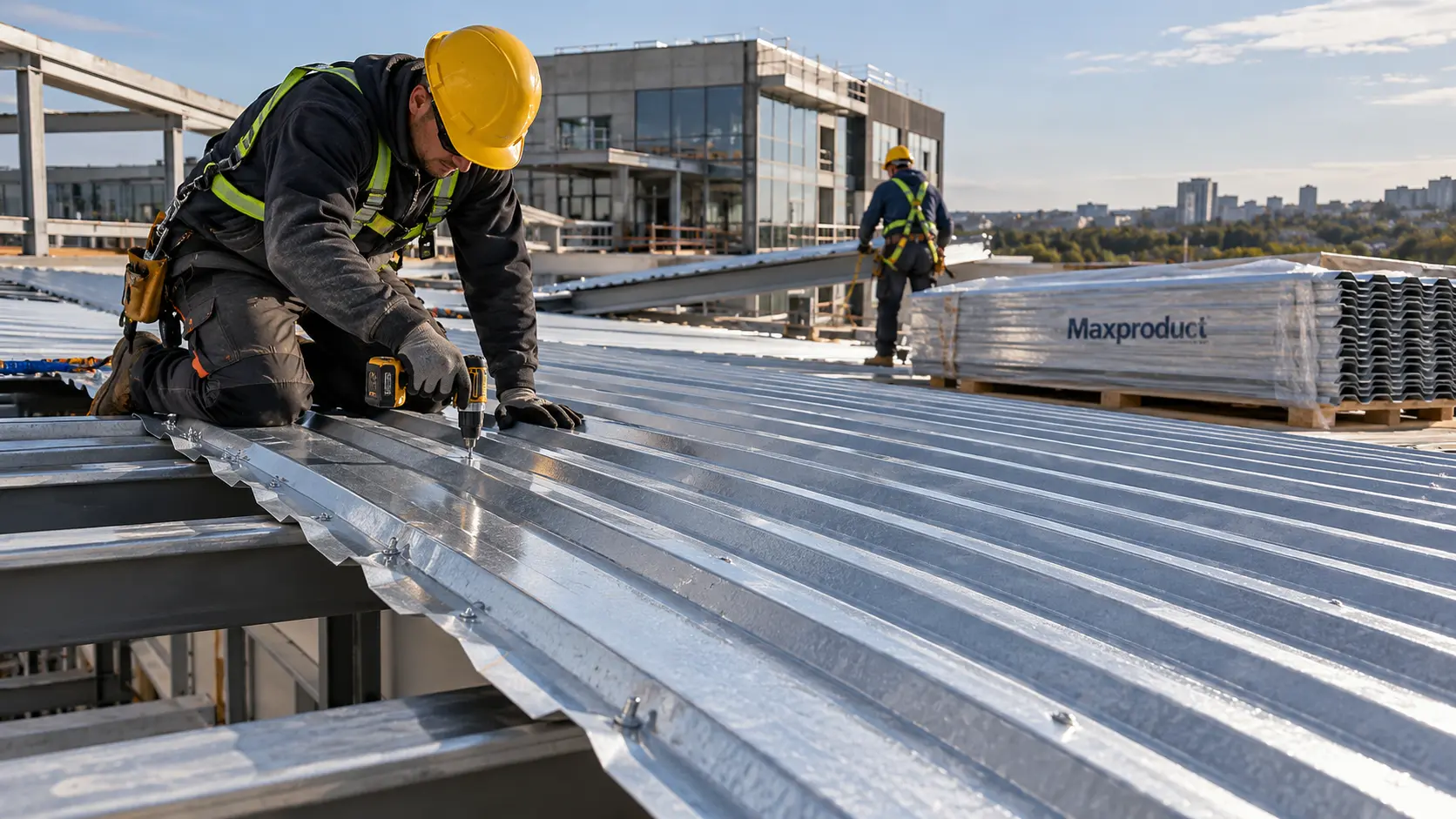
24Sep
24Sep
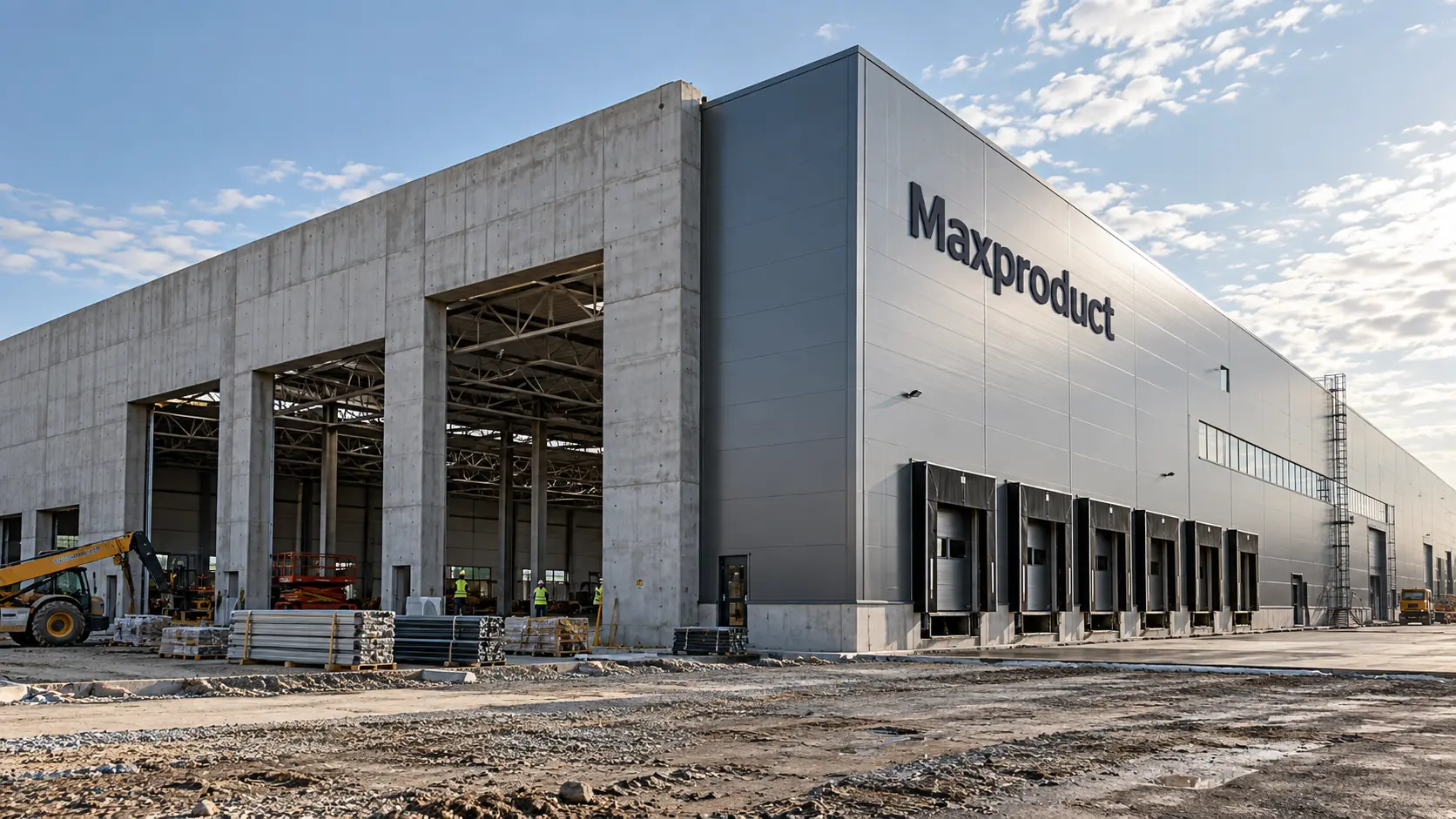
When constructing an industrial building, the walls must provide strength, thermal insulation, protection from the external environment, and ease of use. In practice, the choice often comes down to two solutions: concrete walls and sandwich panels. They should be compared based on construction time, load on the foundation, and operating conditions. h2 Concrete walls: advantages […]
Перейти


