


Mirzo Ulug‘bek
tumani, Mirzo Ulug‘bek shoh ko‘chasi, 25-uy


Mirzo Ulug‘bek
tumani, Mirzo Ulug‘bek shoh ko‘chasi, 25-uy



25Dec

The durability of building envelopes is largely determined not only by the internal filling, but also by the quality of the protective metal layer. In hot climates and high solar activity, it is especially important that the polyester coating of sandwich panels effectively resists corrosion and fading, and that the Pural coating of sandwich panels retains its stable properties throughout its entire service life. That is why the choice of coating becomes a key factor in the design of modern buildings.
The metal sheet in the panel is constantly exposed to external influences, including moisture, temperature changes, and ultraviolet radiation. The protective layer takes on the main load, preventing the destruction of the base and extending the service life of the structure. At the same time, the thickness of the coating and its composition directly affect its resistance to mechanical damage.
Before considering specific types of protective layers, it is important to understand what functions they perform:
Requirements may differ for wall and roof panels, as operating conditions vary. The base material, whether steel or aluminum alloy, also plays an important role. With the right coating, the sandwich panel retains its geometry and appearance even after prolonged use.
The choice of the optimal option depends on the operating conditions and the purpose of the building. Polyester coating for sandwich panels is considered the most common, as it combines affordable cost and basic protection. For facilities with increased requirements, sandwich panels with matte polyester are often used, which have lower reflectivity and scratch resistance.
If the facility is located in a harsh environment, it is advisable to consider plastisol coating for sandwich panels, which forms a dense polymer layer. For industrial facilities, polyurethane coating of sandwich panels is increasingly used, providing increased chemical resistance. Pural coating of sandwich panels, which has proven itself well under intense loads, is also in demand.
The selection process begins with an analysis of the operating conditions and the type of building. It is important to consider where the panel will be used and what loads are expected on it. The production of modern panels allows you to combine different coatings and insulation, including expanded polystyrene, foam plastic, or polyurethane foam, depending on the task.
Before making a final decision, it is recommended to focus on the following criteria:
This selection process reduces the risk of premature wear and tear and makes the decision more reliable.
The quality of the protective layer directly determines how long the panel will retain its characteristics. Even with the same filler, the service life may vary depending on the type of coating. For example, with the same thickness in mm, panels with pvd or hpl show better resistance to ultraviolet rays.
Proper installation and compatibility with other materials, such as MDF or aluminum profiles, also play an important role. At the same time, the insulation and filler must work in conjunction with the outer layer without creating internal stresses.
A common mistake is to focus only on price without considering operating conditions. The type of facility is also often ignored, which means that the coating cannot cope with the loads. The use of universal solutions where specialized protection is required leads to accelerated wear.
Maxproduct, operating in the Tashkent market, helps to select the optimal coating for each project. This approach allows for a balanced solution where sandwich panels retain their strength, appearance, and performance characteristics throughout their entire service life.
 Читайте также
24Sep
Профнастил выпускают с защитным цинковым слоем и дополнительным полимерным покрытием. Оба варианта имеют стальную основу и подходят для разных строительных задач, но отличаются устойчивостью к внешней среде, внешним видом и особенностями эксплуатации. Поэтому выбирать материал стоит с учетом места монтажа и требований к конструкции. В чем разница между покрытиями Оцинкованный профнастил представляет собой стальной лист, […]
ПерейтиCorrugated sheet metal is suitable for roofs with different structural and operational requirements. However, you shouldn’t rely solely on the appearance or price of the sheet: the rigidity, load‑bearing capacity, and service life of the roof depend on the thickness of the steel, the height of the profile, and the protective coating. The right choice […]
Перейти
24Sep
24Sep
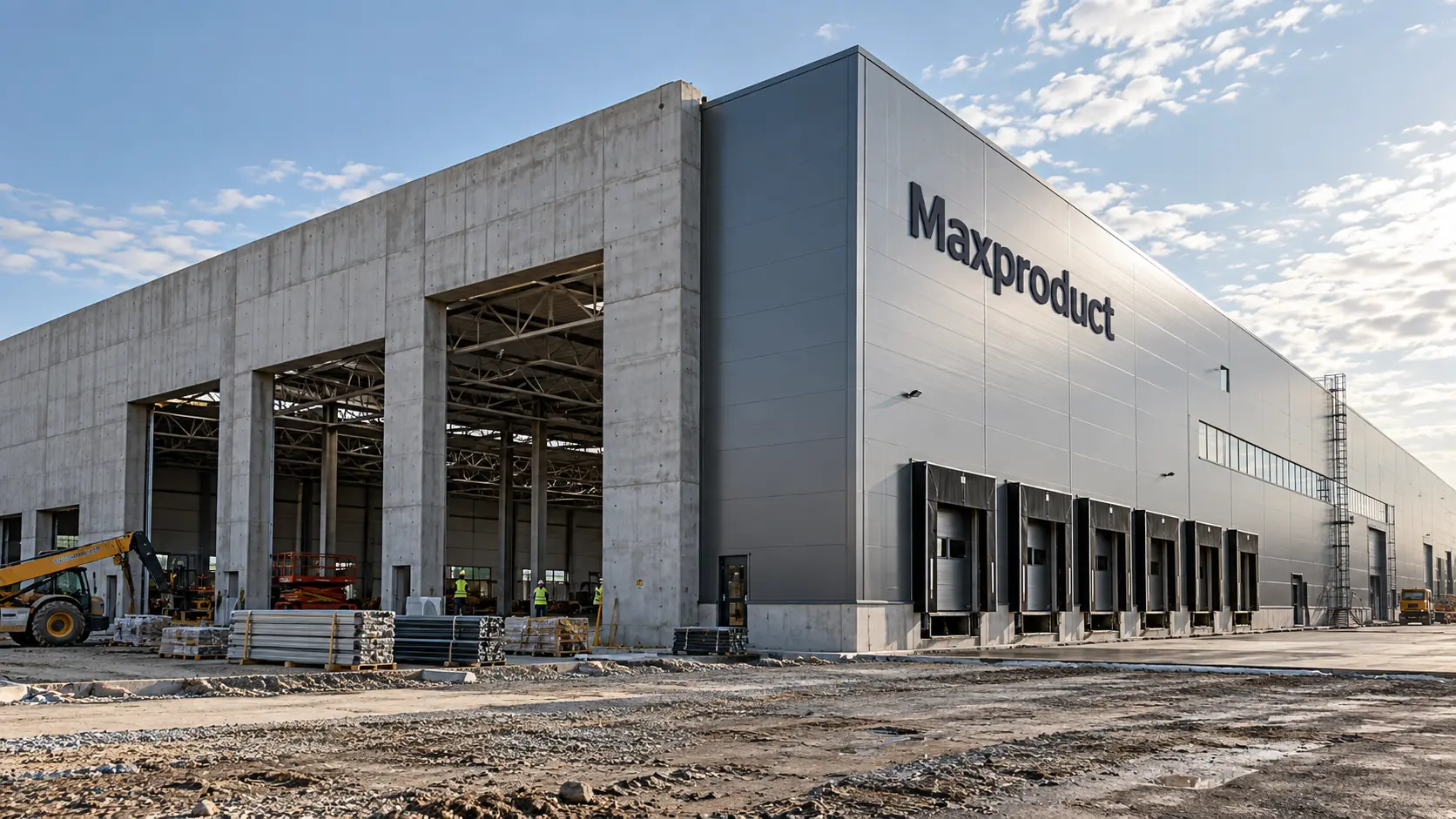
When constructing an industrial building, the walls must provide strength, thermal insulation, protection from the external environment, and ease of use. In practice, the choice often comes down to two solutions: concrete walls and sandwich panels. They should be compared based on construction time, load on the foundation, and operating conditions. h2 Concrete walls: advantages […]
Перейти


