


Mirzo Ulug‘bek
tumani, Mirzo Ulug‘bek shoh ko‘chasi, 25-uy


Mirzo Ulug‘bek
tumani, Mirzo Ulug‘bek shoh ko‘chasi, 25-uy



14Jul
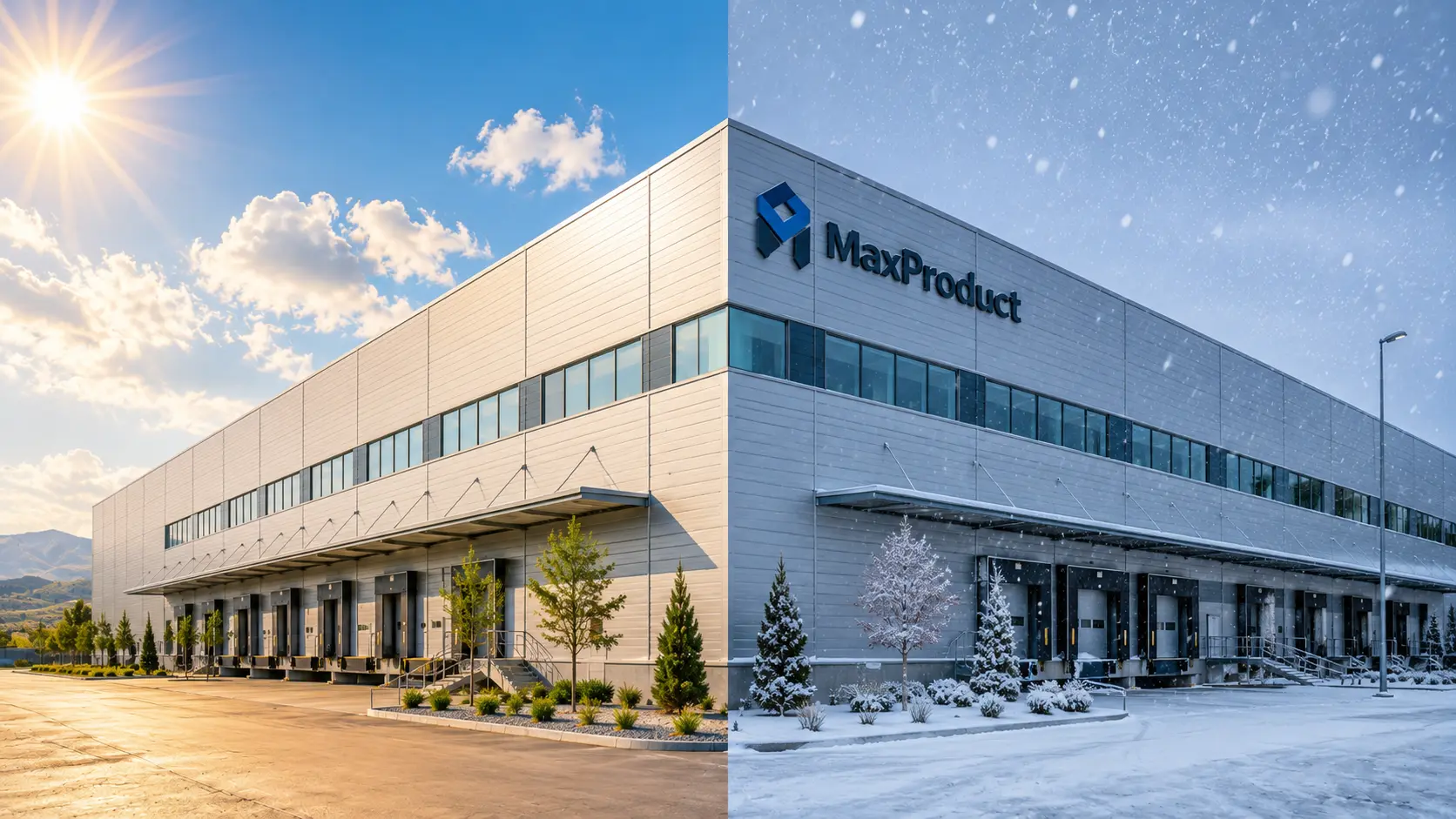
The climate of Uzbekistan places high demands on building materials. In summer, the air temperature often exceeds +40 °C, in winter frosts up to -20 °C are possible in some regions, and sudden fluctuations between day and night temperatures create additional stress on the enclosing structures. Therefore, when choosing sandwich panels, it is important to take into account not only their thermal insulation properties, but also their ability to maintain their characteristics in such conditions.
With the right choice of material, high-quality panels successfully withstand the local climate, ensuring a stable microclimate inside the building, as well as reducing heating and air conditioning costs.
What properties help the panels withstand heat and cold
The sandwich panel is a multi-layered structure where metal linings protect the insulation from external influences, and the thermal insulation layer prevents rapid heating and cooling of the premises. Due to this, the temperature inside the building changes much more slowly than outside. When choosing a material, several main characteristics are usually evaluated, namely:
• panel thickness;
• type of insulation;
• coefficient of thermal conductivity;
• tightness of lock joints;
• the quality of the polymer coating.
MaxProduct produces panels from 50 to 200 mm thick. This range allows you to choose the material for unheated warehouses, as well as for industrial premises, retail facilities or cold storage rooms with high thermal insulation requirements.
How do the panels tolerate high temperatures
The hot climate does not have a critical impact on high-quality sandwich panels, while observing the production and installation technology. The outer steel sheets with a protective polymer coating are designed for long-term operation under intense sunlight, and the insulation retains its thermal insulation properties even when the surface is strongly heated. The effectiveness of the design is ensured by several features at once:
• The exterior cladding is protected from corrosion and UV exposure.
• Insulation slows down the penetration of heat into the building.
• Sealed connections reduce cold losses during operation of air conditioning systems.
• A small number of joints reduces the risk of cold bridges.
• The metal lining retains its geometry under design temperature loads.
Due to these properties, it is much easier to maintain a comfortable temperature indoors, even in the hottest months of the year.
Why are the panels suitable for winter use
Despite the mild winter in most regions of the country, buildings must keep warm even at subzero temperatures. The thickness of the insulation and the quality of the installation are of great importance here. Even small errors in sealing joints can significantly reduce the energy efficiency of the structure.
Panels with thicknesses of 80, 100, 120 and 150 mm are widely used for the climatic conditions of Uzbekistan. The thermal conductivity coefficient of modern insulation materials is about 0.036–0.041 W/m•K for basalt mineral wool and about 0.034–0.038 W/m•K for expanded polystyrene, which effectively limits heat loss.
Properly selected sandwich panels work successfully in conditions of hot summers, winter cold snaps and sudden seasonal temperature changes. If you choose the right thickness, high-quality insulation and follow the installation technology, the structure will retain its strength, thermal insulation properties and attractive appearance over decades of operation.
 Читайте также
24Sep
Профнастил выпускают с защитным цинковым слоем и дополнительным полимерным покрытием. Оба варианта имеют стальную основу и подходят для разных строительных задач, но отличаются устойчивостью к внешней среде, внешним видом и особенностями эксплуатации. Поэтому выбирать материал стоит с учетом места монтажа и требований к конструкции. В чем разница между покрытиями Оцинкованный профнастил представляет собой стальной лист, […]
ПерейтиCorrugated sheet metal is suitable for roofs with different structural and operational requirements. However, you shouldn’t rely solely on the appearance or price of the sheet: the rigidity, load‑bearing capacity, and service life of the roof depend on the thickness of the steel, the height of the profile, and the protective coating. The right choice […]
Перейти
24Sep
24Sep
When constructing an industrial building, the walls must provide strength, thermal insulation, protection from the external environment, and ease of use. In practice, the choice often comes down to two solutions: concrete walls and sandwich panels. They should be compared based on construction time, load on the foundation, and operating conditions. h2 Concrete walls: advantages […]
Перейти


