


Mirzo Ulug‘bek
tumani, Mirzo Ulug‘bek shoh ko‘chasi, 25-uy


Mirzo Ulug‘bek
tumani, Mirzo Ulug‘bek shoh ko‘chasi, 25-uy



10Apr

Sandwich panels are a popular building material due to their thermal insulation and strength characteristics. However, like any other material, they are exposed to external factors such as temperature. Temperature fluctuations can significantly affect the performance of sandwich panels. Understanding how this happens will allow them to be used correctly and protected in different climates.
Effect of Temperature on Sandwich Panels
Temperature fluctuations can affect sandwich panels, both in the short and long term. The main problems arising from sudden changes in ambient temperature are:
Expansion and contraction of the materials from which the panels are made. During operation, sandwich panels are subjected to constant heating and cooling cycles. This can cause the joints between the layers to gradually break down, reducing their overall strength.
Effect on insulation. Internal insulation, located between the outer layers, is also subject to temperature changes. High temperatures can lead to its deformation and loss of insulating properties, which worsens the energy efficiency of the panel.
The appearance of condensation. Sudden temperature changes can cause condensation inside sandwich panels. This is especially critical during the cold season, when moisture can freeze and cause additional damage.
To ensure the durability and reliability of sandwich panels, it is important to consider the operating temperature for sandwich panels and avoid conditions that can cause excessive temperature fluctuations.
How to protect sandwich panels from temperature extremes
To prevent the negative consequences associated with temperature fluctuations, it is necessary to take the following measures to protect sandwich panels from temperature changes:
Use of high-quality materials. Materials that are highly resistant to temperature changes should be used in production. This will help reduce the risk of deformation and destruction.
Additional insulation. To increase resistance to temperature changes, additional thermal insulation can be used. This will not only improve the thermal insulation properties, but also protect the panels from sudden temperature fluctuations.
Waterproofing. Proper waterproofing will help prevent moisture from penetrating into the panel structure, which is especially important when condensation forms. This will protect the panels from corrosion and extend their service life.
Maintaining the operating temperature recommended by the manufacturer. This figure depends on the materials used, but in general, the panels must withstand a wide range of temperatures, from -50 to +70 degrees Celsius.
Regular maintenance. Periodic inspection and maintenance of sandwich panels will help to identify and eliminate possible defects caused by temperature changes in a timely manner.
Compliance with these recommendations will help to maintain the performance of sandwich panels at a high level and avoid problems associated with temperature fluctuations.
 Читайте также
24Sep
Профнастил выпускают с защитным цинковым слоем и дополнительным полимерным покрытием. Оба варианта имеют стальную основу и подходят для разных строительных задач, но отличаются устойчивостью к внешней среде, внешним видом и особенностями эксплуатации. Поэтому выбирать материал стоит с учетом места монтажа и требований к конструкции. В чем разница между покрытиями Оцинкованный профнастил представляет собой стальной лист, […]
ПерейтиCorrugated sheet metal is suitable for roofs with different structural and operational requirements. However, you shouldn’t rely solely on the appearance or price of the sheet: the rigidity, load‑bearing capacity, and service life of the roof depend on the thickness of the steel, the height of the profile, and the protective coating. The right choice […]
Перейти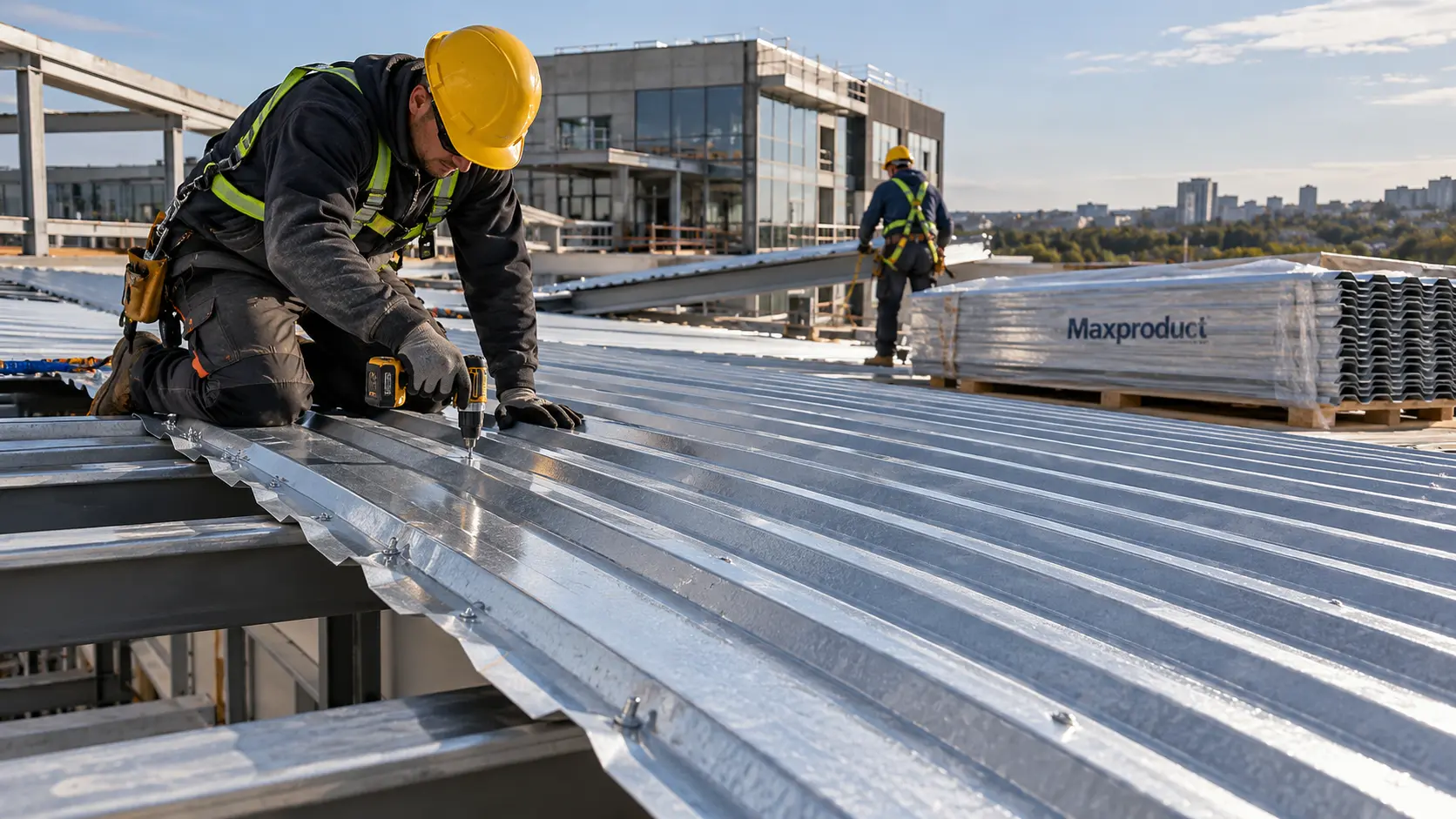
24Sep
24Sep
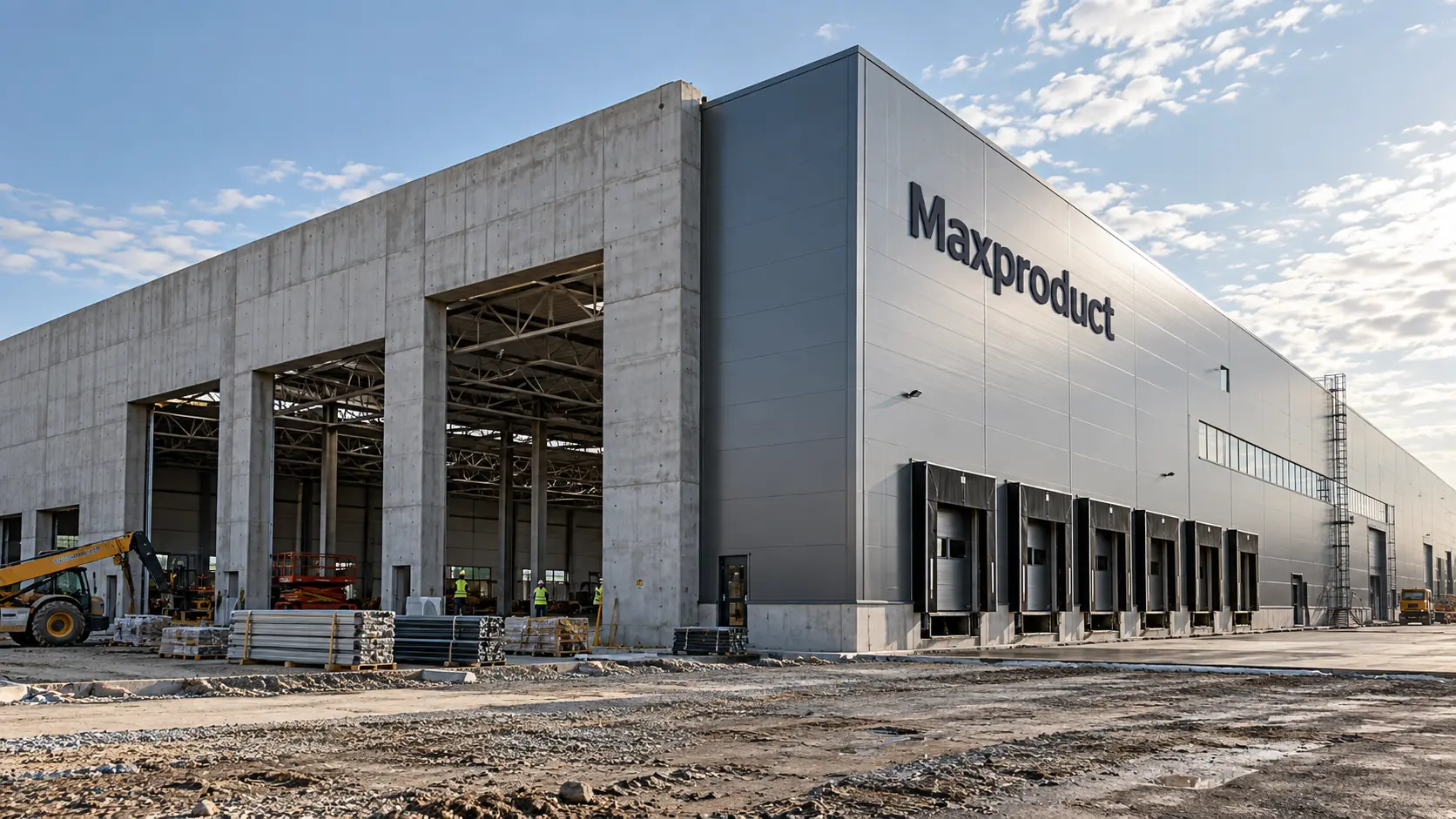
When constructing an industrial building, the walls must provide strength, thermal insulation, protection from the external environment, and ease of use. In practice, the choice often comes down to two solutions: concrete walls and sandwich panels. They should be compared based on construction time, load on the foundation, and operating conditions. h2 Concrete walls: advantages […]
Перейти


