


Mirzo Ulug‘bek
tumani, Mirzo Ulug‘bek shoh ko‘chasi, 25-uy


Mirzo Ulug‘bek
tumani, Mirzo Ulug‘bek shoh ko‘chasi, 25-uy



09Apr

The material is a rigid thermal insulation material obtained by modifying polyurethane. It has a closed porous structure, which significantly reduces thermal conductivity and increases resistance to moisture. Unlike conventional polyurethane foam, this material is less prone to burning and retains its characteristics during long-term operation. The main advantages of using polyisocyanurate foam are:
Low thermal conductivity. It ensures high energy efficiency of buildings and reduces heating costs.
Resistance to high temperatures. When exposed to fire, the material does not spread flames and emits a minimal amount of smoke.
Longevity. It retains its properties for decades without loss of strength and thermal insulation.
High moisture resistance. It does not absorb moisture, which prevents the development of mold and mildew inside the structure.
This also includes environmental safety. The material does not contain harmful impurities and fully complies with the established safety requirements.
Application of PIR sandwich panels
Due to their unique properties, the products are widely used in various fields of construction. They are used for the construction of buildings where high thermal insulation, fire safety and durability of materials are important. Applications:
Industrial buildings. Ideal for the construction of workshops, warehouses and logistics centers, providing a comfortable indoor environment.
Cold rooms and warehouses. Due to their low thermal conductivity, PIR sandwich panels are used in the construction of facilities for the storage of perishable goods.
Commercial and administrative buildings. They are used for the construction of shopping centers, offices and other structures where energy efficiency is important.
Houses. They allow you to quickly and efficiently erect warm and reliable buildings with minimal operating costs.
The popularity of sandwich panels with polyisocyanurate foam is due to their excellent characteristics, which make them a popular solution for the construction of facilities for various purposes. Reliability, energy efficiency, and safety make them an ideal choice for modern projects.
 Читайте также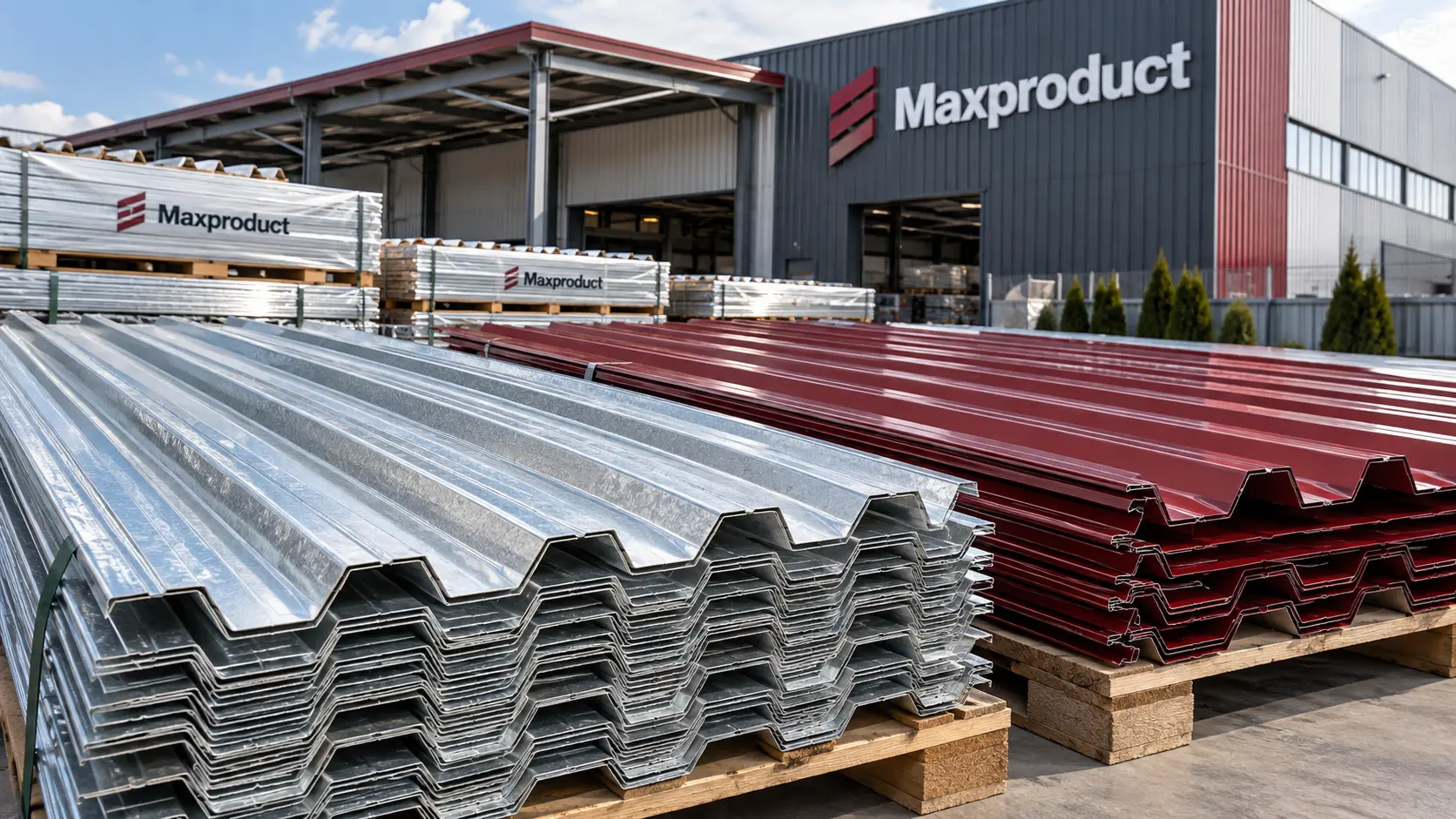
24Sep
Профнастил выпускают с защитным цинковым слоем и дополнительным полимерным покрытием. Оба варианта имеют стальную основу и подходят для разных строительных задач, но отличаются устойчивостью к внешней среде, внешним видом и особенностями эксплуатации. Поэтому выбирать материал стоит с учетом места монтажа и требований к конструкции. В чем разница между покрытиями Оцинкованный профнастил представляет собой стальной лист, […]
ПерейтиCorrugated sheet metal is suitable for roofs with different structural and operational requirements. However, you shouldn’t rely solely on the appearance or price of the sheet: the rigidity, load‑bearing capacity, and service life of the roof depend on the thickness of the steel, the height of the profile, and the protective coating. The right choice […]
Перейти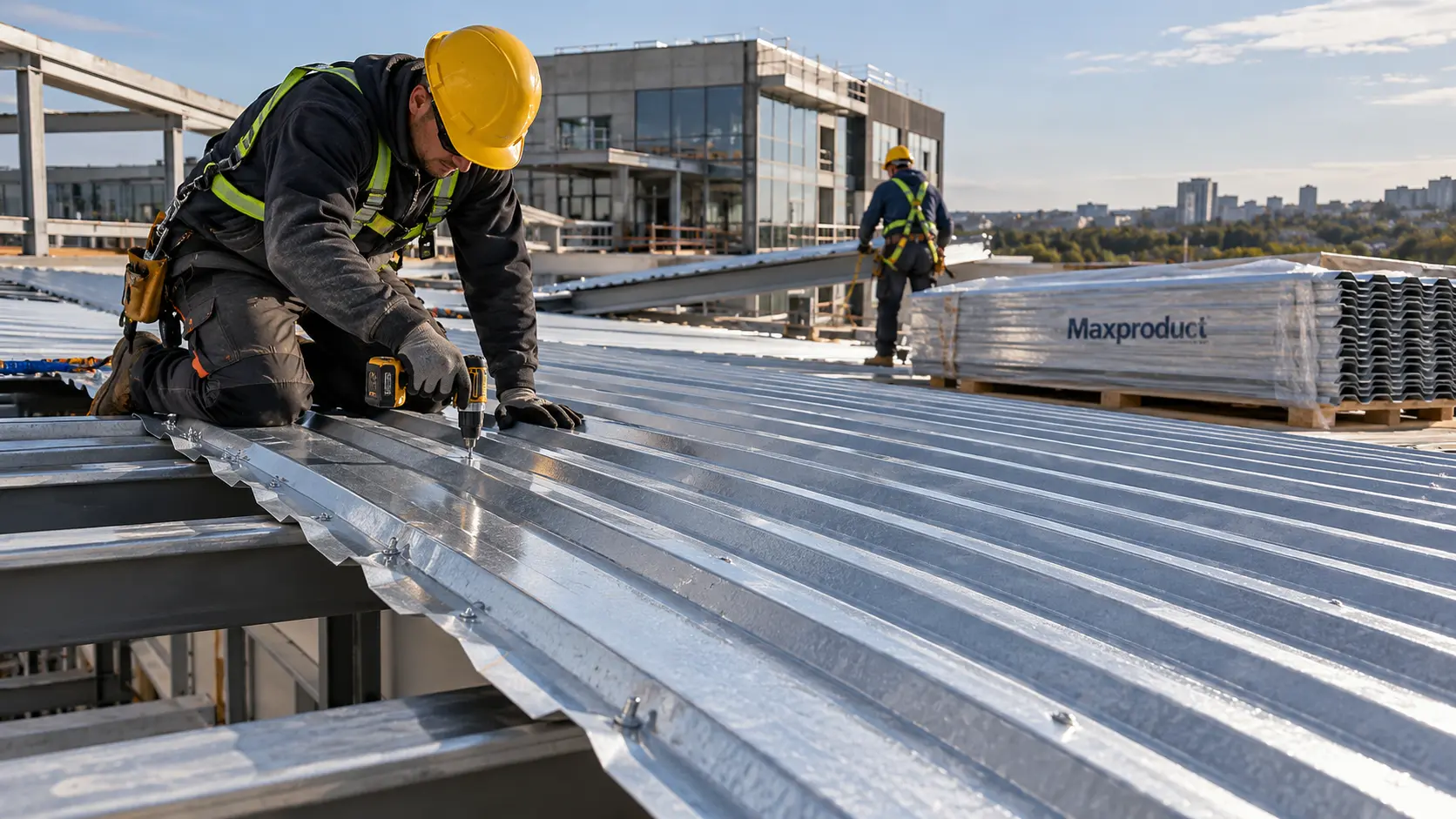
24Sep
24Sep
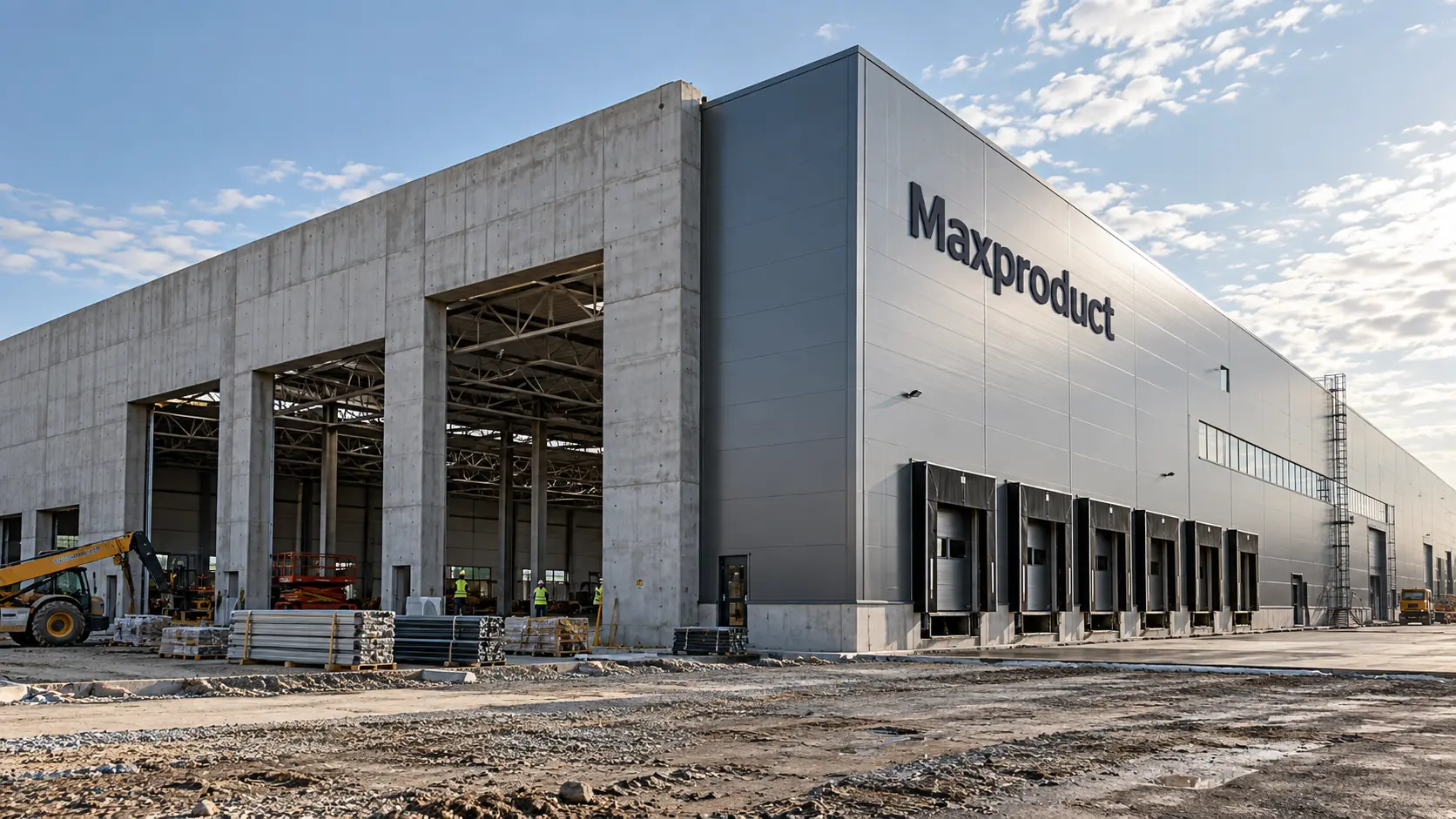
When constructing an industrial building, the walls must provide strength, thermal insulation, protection from the external environment, and ease of use. In practice, the choice often comes down to two solutions: concrete walls and sandwich panels. They should be compared based on construction time, load on the foundation, and operating conditions. h2 Concrete walls: advantages […]
Перейти


