


Mirzo Ulug‘bek
tumani, Mirzo Ulug‘bek shoh ko‘chasi, 25-uy


Mirzo Ulug‘bek
tumani, Mirzo Ulug‘bek shoh ko‘chasi, 25-uy



03Jun

High-quality installation begins with precise design. This is especially important when working with multi-layer structures. The layout of sandwich panels is a key stage that determines the appearance of the facade, the reliability of connections, and the rational use of materials. Errors at this stage lead to additional costs and complications during assembly, so a competent approach is especially important.
Layout refers to planning the position of each panel on the facade or roof, taking into account all architectural and structural features. This process is carried out before installation begins and must take into account the geometry of the building, the location of windows and doors, the features of the frame, and the direction of installation. There are several principles that should be followed during the layout process:
A correctly executed layout of sandwich panels allows you to speed up installation, reduce the number of cuts, and simplify logistics on site.
Planning errors often become apparent after installation. If the fastening pitch or window lines are not taken into account, the panels may overlap asymmetrically, which visually spoils the facade. This is especially important for buildings with display windows or panoramic glazing, where symmetry is striking.
In addition to aesthetics, an ill-conceived layout affects performance characteristics. Incorrect joint placement increases heat loss and increases the risk of cold bridges. It can also complicate the sealing of joints, especially at junctions and corners.
To avoid problems during assembly, it is worth paying attention to the following points:
It is equally important to think in advance about the joints between sandwich panels and installation tolerances to avoid conflicts between the design scheme and the actual position of the load-bearing elements. In general, a well-planned scheme allows you to:
It is important to entrust the preparation of the project to specialists who are familiar with the specifics of sandwich panel installation and can take into account all the nuances of the object. This will help avoid technical and visual errors and ensure the durability and tightness of the entire structure.
 Читайте также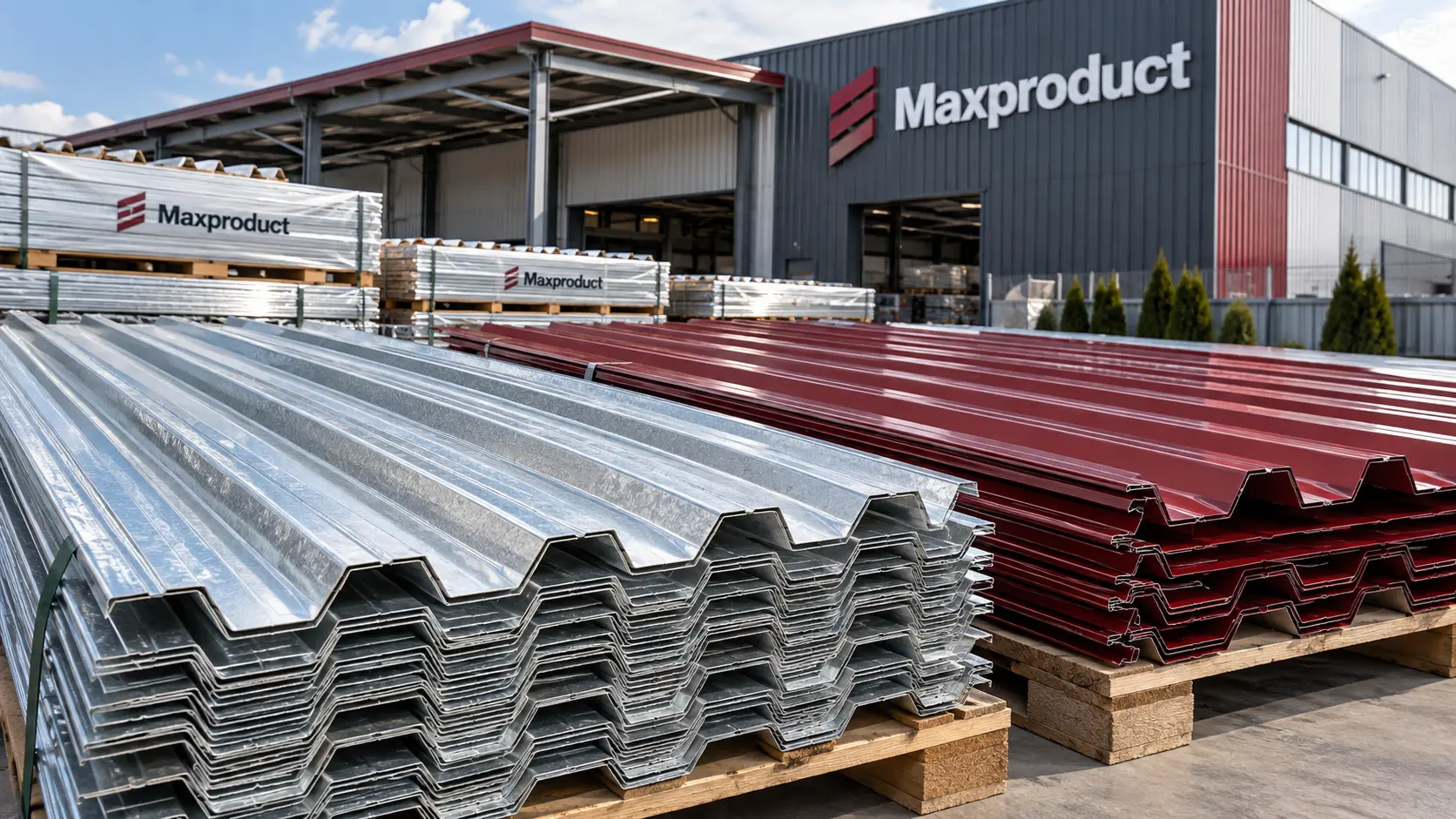
24Sep
Профнастил выпускают с защитным цинковым слоем и дополнительным полимерным покрытием. Оба варианта имеют стальную основу и подходят для разных строительных задач, но отличаются устойчивостью к внешней среде, внешним видом и особенностями эксплуатации. Поэтому выбирать материал стоит с учетом места монтажа и требований к конструкции. В чем разница между покрытиями Оцинкованный профнастил представляет собой стальной лист, […]
ПерейтиCorrugated sheet metal is suitable for roofs with different structural and operational requirements. However, you shouldn’t rely solely on the appearance or price of the sheet: the rigidity, load‑bearing capacity, and service life of the roof depend on the thickness of the steel, the height of the profile, and the protective coating. The right choice […]
Перейти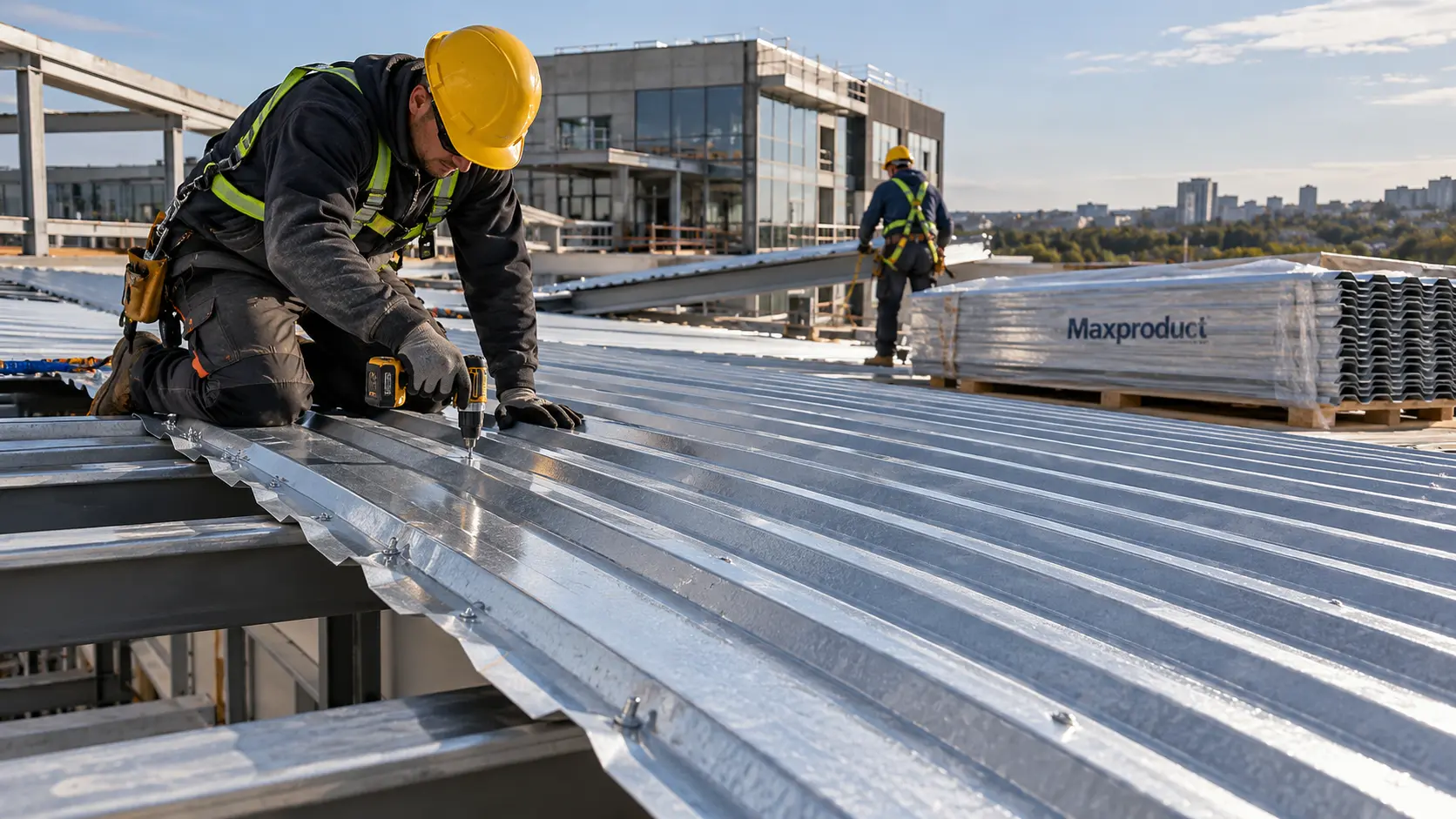
24Sep
24Sep
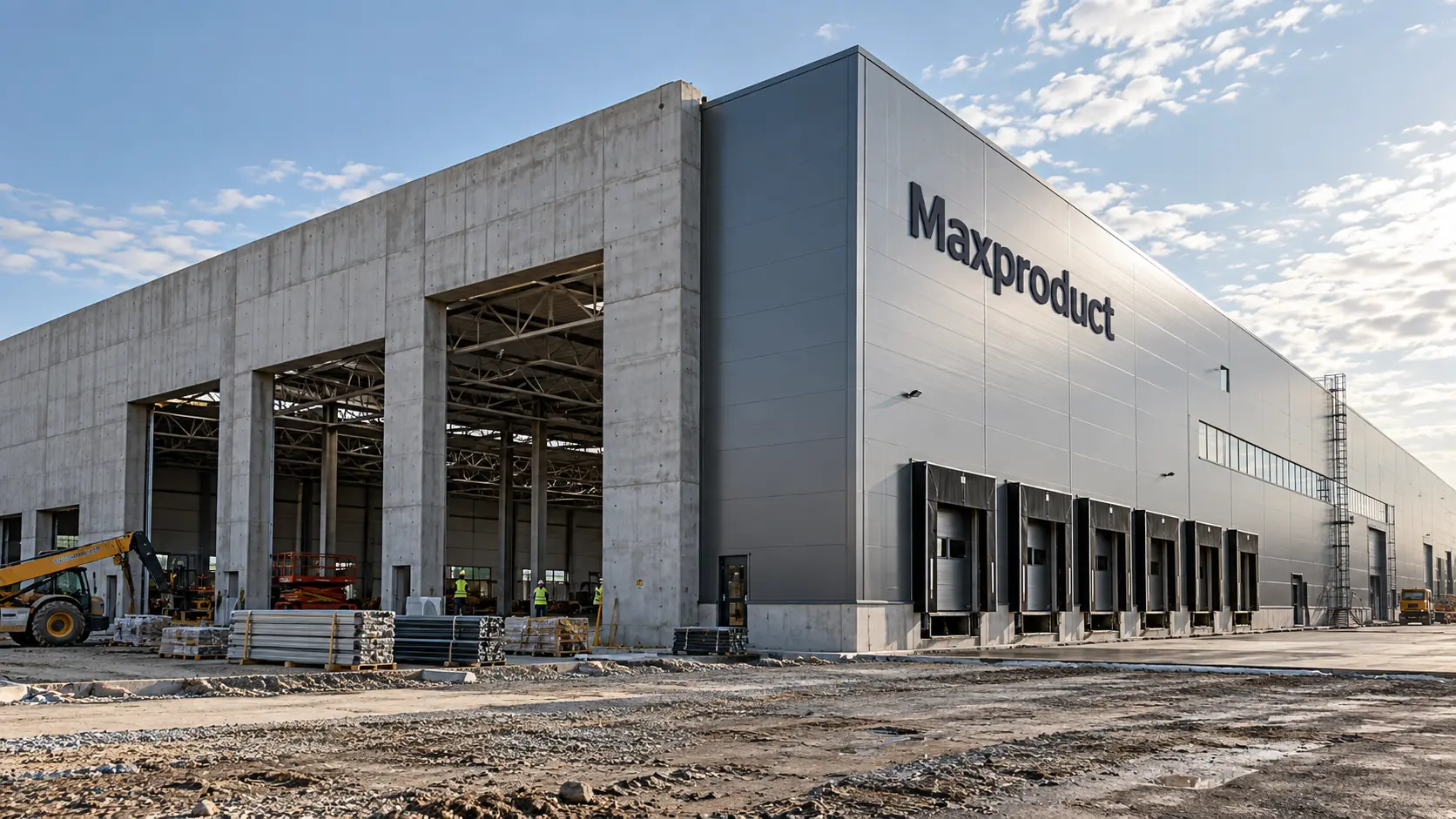
When constructing an industrial building, the walls must provide strength, thermal insulation, protection from the external environment, and ease of use. In practice, the choice often comes down to two solutions: concrete walls and sandwich panels. They should be compared based on construction time, load on the foundation, and operating conditions. h2 Concrete walls: advantages […]
Перейти


