


Mirzo Ulug‘bek
tumani, Mirzo Ulug‘bek shoh ko‘chasi, 25-uy


Mirzo Ulug‘bek
tumani, Mirzo Ulug‘bek shoh ko‘chasi, 25-uy



14May

When choosing a material for the construction of walls, developers often compare sandwich panels and aerated concrete. Both options are widely used in modern construction, but differ significantly in structure, installation technology and operational characteristics. To make the right decision, it is important to consider the requirements of the project, climatic conditions and the expected load on the building.
Aerated concrete is a lightweight cellular concrete obtained by introducing pore formers into the composition. It is characterized by good thermal insulation properties, lightness and ease of processing. The material is supplied in the form of blocks, which are laid on a special glue. Despite the ease of installation, the process requires precise geometry and high-quality waterproofing.
Sandwich panels are a multi-layer structure with internal insulation enclosed between two sheets of metal. The panels are manufactured in the factory and delivered ready for installation. Installation is fast and does not depend on weather conditions, as it does not require wet processes.
Both materials have their advantages, so the choice depends on the specific goals. Advantages of aerated concrete:
Advantages of sandwich panels:
Having information about the advantages of each of the materials, you can easily choose the best option for a particular object. Before choosing, it is recommended to consider the following factors:
Thus, both aerated concrete and sandwich panels have the right to be used, but they are effective in different situations. If fast assembly, high energy efficiency and no finishing work are required, panels are preferable. In the case when vapor permeability and the possibility of flexible internal planning are important, it is worth paying attention to aerated concrete.
 Читайте также
24Sep
Профнастил выпускают с защитным цинковым слоем и дополнительным полимерным покрытием. Оба варианта имеют стальную основу и подходят для разных строительных задач, но отличаются устойчивостью к внешней среде, внешним видом и особенностями эксплуатации. Поэтому выбирать материал стоит с учетом места монтажа и требований к конструкции. В чем разница между покрытиями Оцинкованный профнастил представляет собой стальной лист, […]
ПерейтиCorrugated sheet metal is suitable for roofs with different structural and operational requirements. However, you shouldn’t rely solely on the appearance or price of the sheet: the rigidity, load‑bearing capacity, and service life of the roof depend on the thickness of the steel, the height of the profile, and the protective coating. The right choice […]
Перейти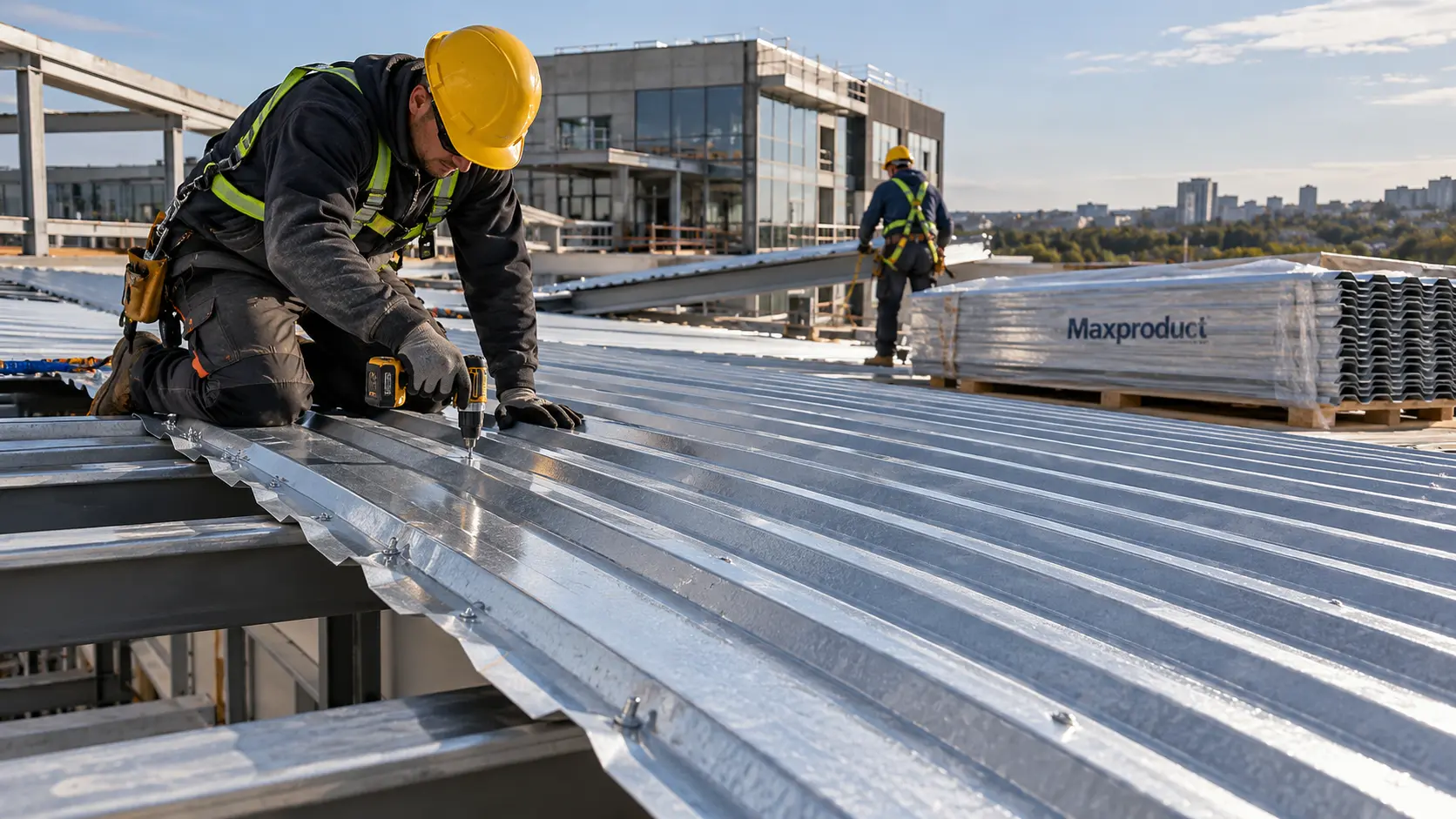
24Sep
24Sep
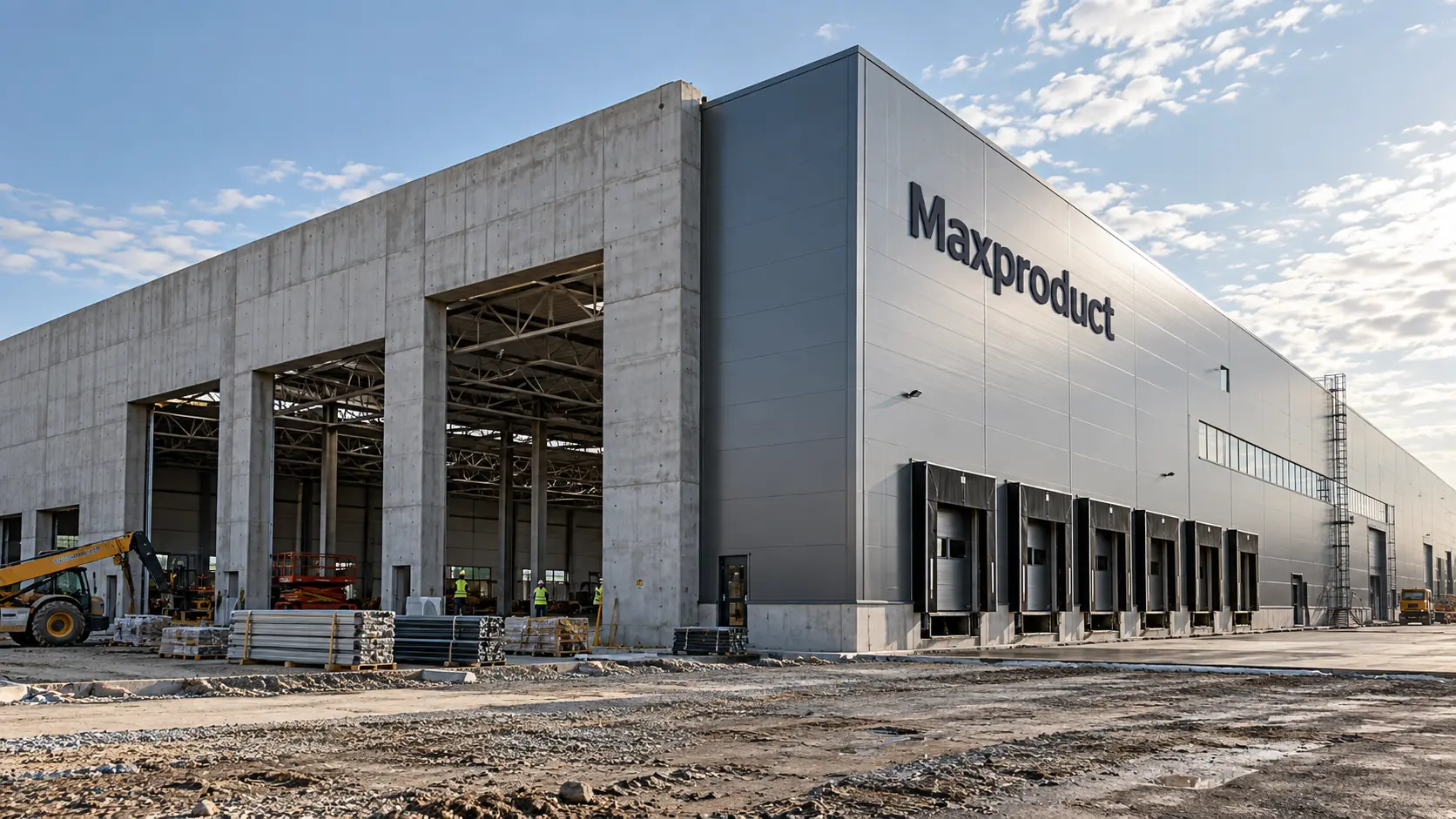
When constructing an industrial building, the walls must provide strength, thermal insulation, protection from the external environment, and ease of use. In practice, the choice often comes down to two solutions: concrete walls and sandwich panels. They should be compared based on construction time, load on the foundation, and operating conditions. h2 Concrete walls: advantages […]
Перейти


