


Mirzo Ulug‘bek
tumani, Mirzo Ulug‘bek shoh ko‘chasi, 25-uy


Mirzo Ulug‘bek
tumani, Mirzo Ulug‘bek shoh ko‘chasi, 25-uy



16Jul

When choosing materials for finishing window openings, the combination of strength, aesthetics, and thermal insulation plays an important role. This is especially true for slopes (window/door reveals), where it’s crucial to ensure long-lasting protection of the structure from moisture, cold, and mechanical damage. In modern construction, two solutions have gained the most popularity – plasterboard and sandwich panels for slopes. Each of these options has features that are important to consider when choosing.
Various materials are used for finishing window openings: plaster, plastic panels, plasterboard, sandwich panels. The two most sought-after options remain plasterboard and panels with a multi-layered structure. They combine strength, resistance to temperature changes, and ease of installation. The final choice depends on the operating conditions and aesthetic preferences. It is also important to consider how well the installation is performed.
Plasterboard is used in interior finishing of premises and is suitable for decorating slopes in dry areas. Usually, moisture-resistant plasterboard sheets are purchased for these purposes, which are fixed with mounting foam or profiles. During the work, it is important to accurately set the angles and properly seal the joints. Such slopes require subsequent puttying, painting, or decorative coating.
Plasterboard has several strengths, due to which it is actively used in renovation:
However, this option is not without its drawbacks. Plasterboard slopes are afraid of moisture, require additional finishing, and can deform if installed incorrectly. In addition, plasterboard profiles and additional finishing elements will be needed.
Panels with a three-layer structure, where a thermal insulation layer is located between the facing sheets, have become a popular solution for window decoration. Such panels are especially relevant when renovating rooms with temperature fluctuations or high humidity. Cladding with sandwich panels allows for a neat appearance, and the installation of sandwich panels is carried out without “wet” processes (like plastering).
Sandwich panels for slopes have many advantages:
The disadvantages include a slightly higher price in Sums compared to plasterboard and a limited choice of colors without a custom order. It is also important to correctly select the fastening structure and panel thickness depending on the room conditions. For a high-quality result, only high-quality sandwich panels and suitable accessories – corners, trims, and sealants – should be used.
The choice between plasterboard and panels depends on the tasks: for finishing dry rooms, the first option is suitable, while for reliable protection against moisture and cold, panels are preferable. In this case, it is important to consider the construction project, the condition of the walls, the cladding method, and the roofing and wall materials used. Timely replacement or repair of a panel allows maintaining the aesthetics and functionality of the entire cladding. It is crucial to use certified building material that corresponds to the loads and operating conditions.
Reliable sandwich panel cladding extends the service life of the object and preserves the decorative appearance of walls or roofs. Depending on the building’s purpose and climatic conditions, both the type of panels (e.g., roofing sandwich panels) and their installation method are selected. And proper fastening and precise installation ensure that the damaged element does not become a weak point of the entire structure.
 Читайте также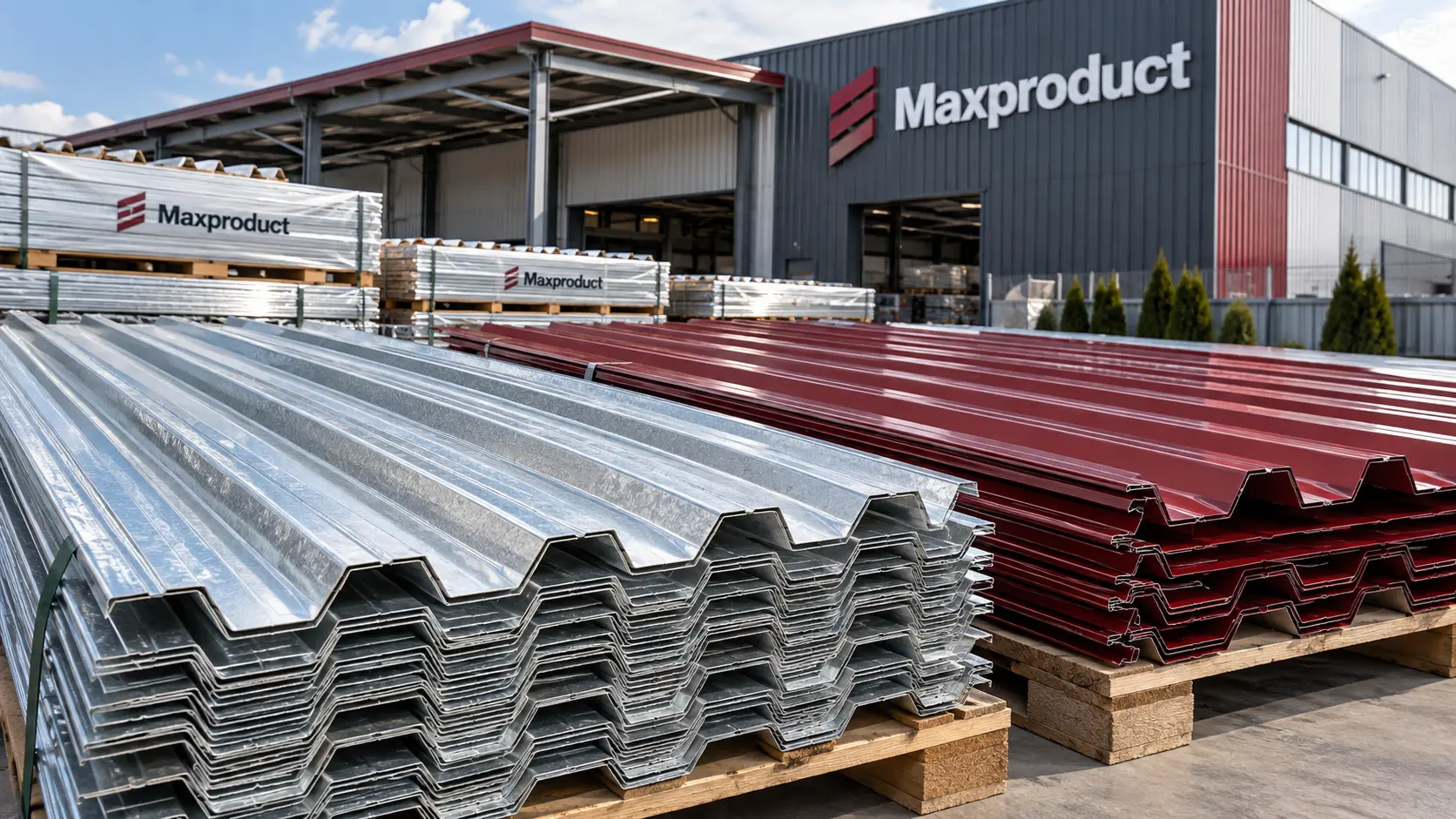
24Sep
Профнастил выпускают с защитным цинковым слоем и дополнительным полимерным покрытием. Оба варианта имеют стальную основу и подходят для разных строительных задач, но отличаются устойчивостью к внешней среде, внешним видом и особенностями эксплуатации. Поэтому выбирать материал стоит с учетом места монтажа и требований к конструкции. В чем разница между покрытиями Оцинкованный профнастил представляет собой стальной лист, […]
ПерейтиCorrugated sheet metal is suitable for roofs with different structural and operational requirements. However, you shouldn’t rely solely on the appearance or price of the sheet: the rigidity, load‑bearing capacity, and service life of the roof depend on the thickness of the steel, the height of the profile, and the protective coating. The right choice […]
Перейти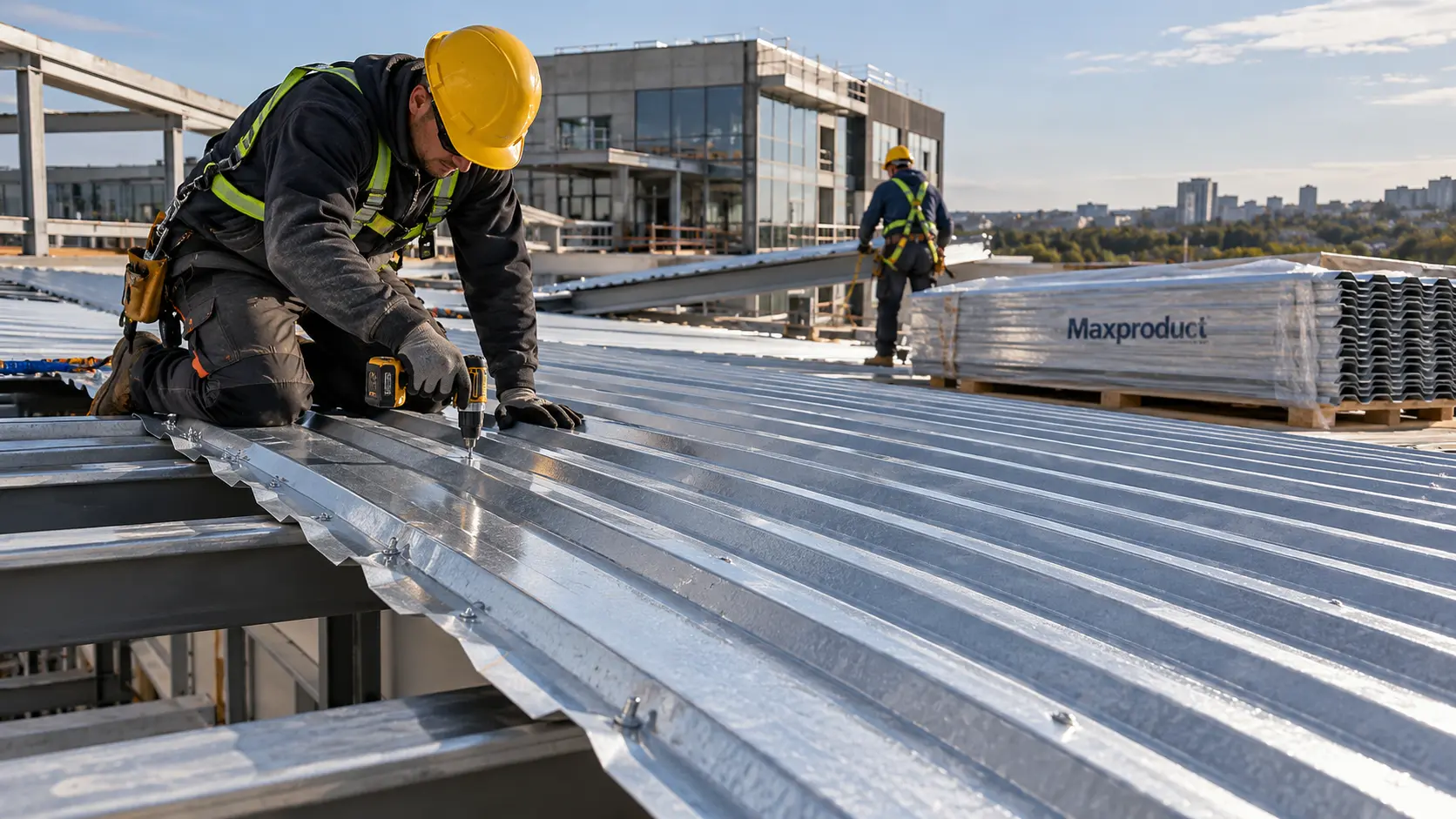
24Sep
24Sep
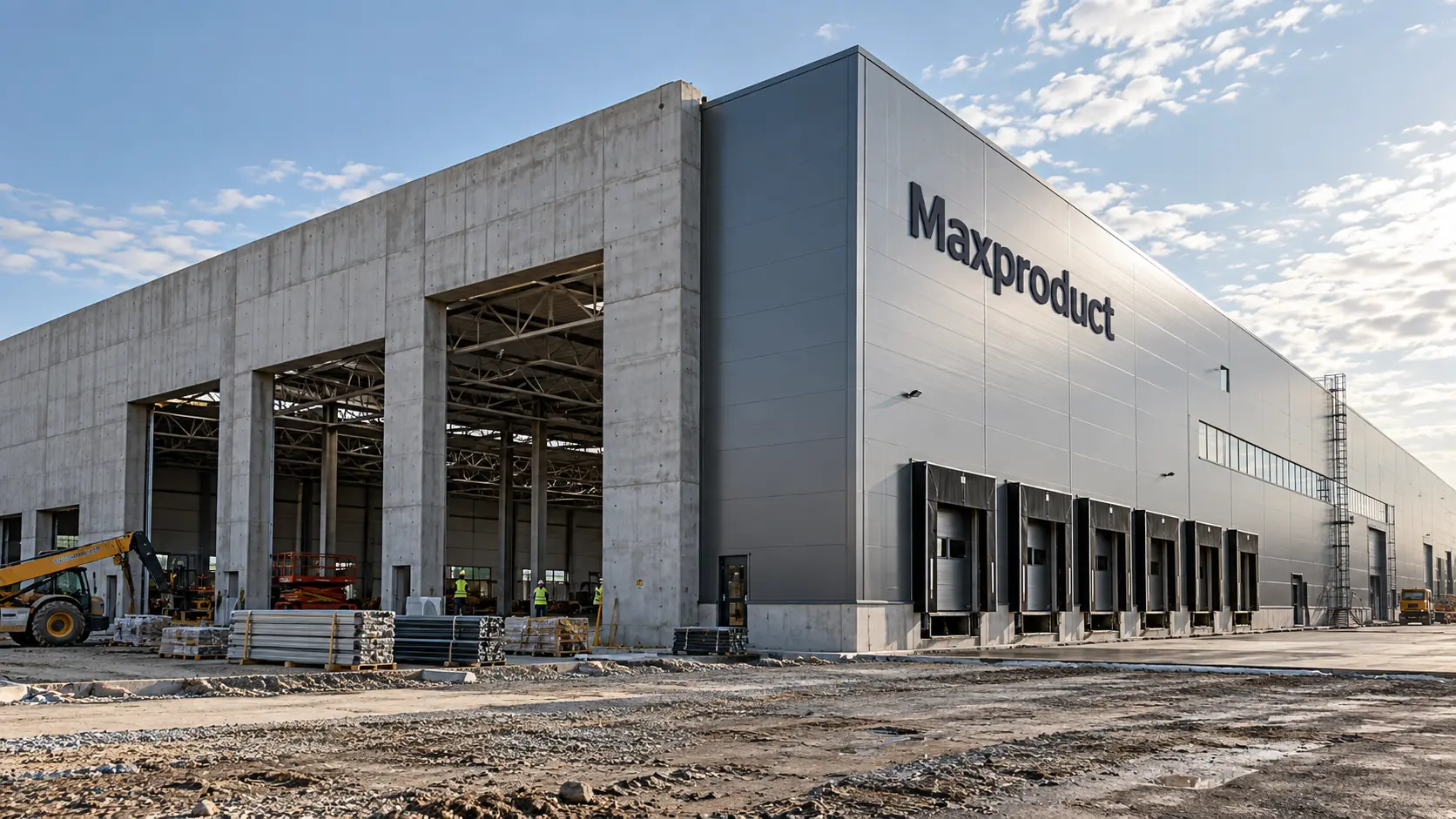
When constructing an industrial building, the walls must provide strength, thermal insulation, protection from the external environment, and ease of use. In practice, the choice often comes down to two solutions: concrete walls and sandwich panels. They should be compared based on construction time, load on the foundation, and operating conditions. h2 Concrete walls: advantages […]
Перейти


