


Mirzo Ulug‘bek
tumani, Mirzo Ulug‘bek shoh ko‘chasi, 25-uy


Mirzo Ulug‘bek
tumani, Mirzo Ulug‘bek shoh ko‘chasi, 25-uy



09Apr

Fire resistance plays an important role in ensuring the safety of buildings lined with sandwich panels. This indicator determines how long a material can resist the effects of fire while maintaining its essential performance characteristics. In the event of a fire, it can be a decisive factor in preserving the structure and preventing the fire from spreading to other areas of the building.
One of the key parameters that assess the fire resistance of a material is its limit. This parameter is determined by the time during which the panels are able to maintain their strength characteristics under the influence of high temperatures. It depends on the type of material that is used in the construction of the panel, and on the thickness of the insulation layer.
An important role is played by the composition of the filler that is used between metal sheets. For example, panels with mineral wool have a higher fire resistance compared to those where polystyrene foam is used. The fire resistance of insulation in sandwich panels can vary significantly, which should be taken into account when choosing a material for construction.
The fire resistance of sandwich panels is confirmed on the basis of certification. The panels are tested to determine their fire hazard class. The higher the class, the more time the panel will be able to resist fire and the less likely it is to quickly spread a fire. For many facilities, especially industrial and commercial buildings, fire certification is a requirement.
Different types of SP have different fire resistance characteristics. In particular, mineral wool shows better results in fire resistance tests compared to expanded polystyrene or polyurethane. Accordingly, the choice of material depends on the specific requirements for the project, including safety.
 Читайте также
24Sep
Профнастил выпускают с защитным цинковым слоем и дополнительным полимерным покрытием. Оба варианта имеют стальную основу и подходят для разных строительных задач, но отличаются устойчивостью к внешней среде, внешним видом и особенностями эксплуатации. Поэтому выбирать материал стоит с учетом места монтажа и требований к конструкции. В чем разница между покрытиями Оцинкованный профнастил представляет собой стальной лист, […]
ПерейтиCorrugated sheet metal is suitable for roofs with different structural and operational requirements. However, you shouldn’t rely solely on the appearance or price of the sheet: the rigidity, load‑bearing capacity, and service life of the roof depend on the thickness of the steel, the height of the profile, and the protective coating. The right choice […]
Перейти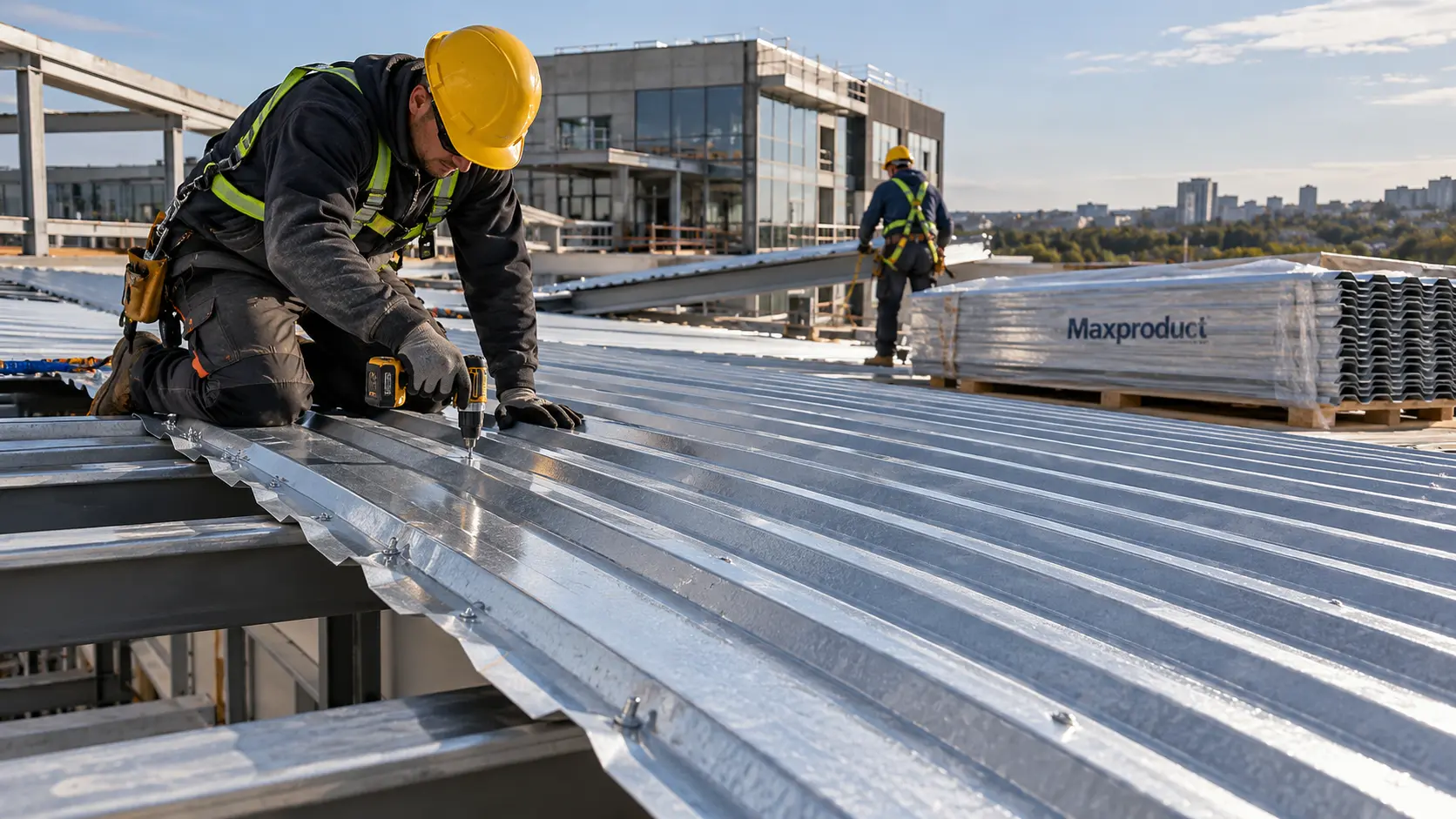
24Sep
24Sep
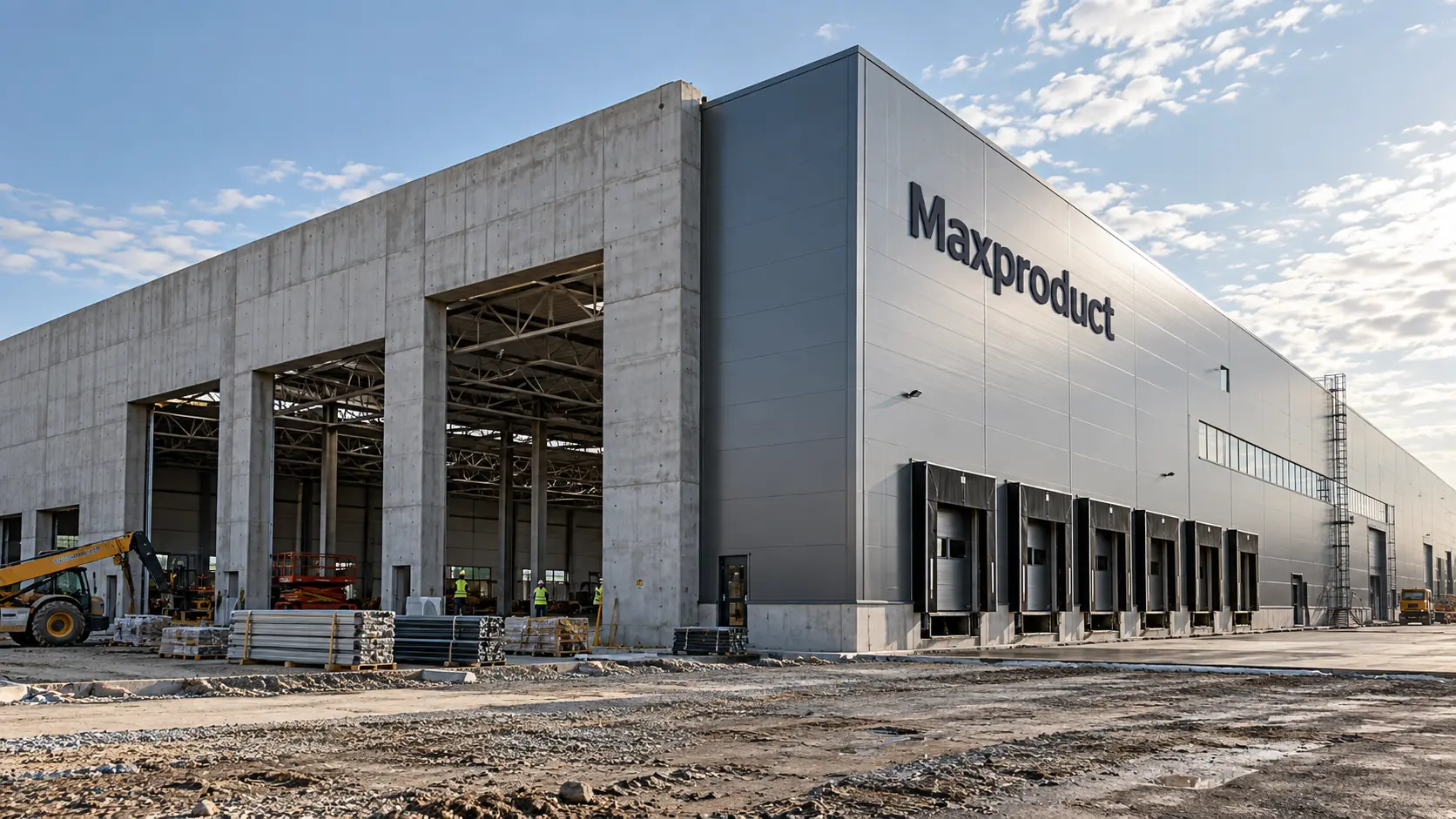
When constructing an industrial building, the walls must provide strength, thermal insulation, protection from the external environment, and ease of use. In practice, the choice often comes down to two solutions: concrete walls and sandwich panels. They should be compared based on construction time, load on the foundation, and operating conditions. h2 Concrete walls: advantages […]
Перейти


