


Mirzo Ulug‘bek
tumani, Mirzo Ulug‘bek shoh ko‘chasi, 25-uy


Mirzo Ulug‘bek
tumani, Mirzo Ulug‘bek shoh ko‘chasi, 25-uy



10Apr

Sandwich panels are a well-demanded material in the modern construction industry. They are structural elements consisting of three layers: two outer layers, usually made of metal, and an inner layer – insulation. This design gives the panels high thermal insulation properties and strength. In addition, they are characterized by good sound insulation, provide protection against moisture, fire and perform a number of other important functions.
Sandwich panels can be classified according to various criteria, including surface materials, type of insulation, connection method, and application. Let’s consider what types of products are distinguished according to each of the listed criteria.
Types of sandwich panels by surface materials
Types of sandwich panels by insulation
For detailed information on each of the types presented in our catalog, we recommend contacting MaxProduct employees. Before contacting us, read the answers to frequently asked questions on this topic.
Which sandwich panels are better suited for residential buildings? — Wooden sandwich panels are often chosen for residential buildings because of their natural appearance and thermal insulation properties.
What are the advantages of polyurethane foam panels? “This type is characterized by high thermal insulation, lightness and strength, which makes it an ideal choice for energy-efficient construction.
Can sandwich panels be used for sound insulation? — Yes, some types of sandwich panels, such as mineral wool, have good soundproofing properties and can be used for this purpose.
What is the most effective thickness of sandwich panels? – The thickness of sandwich panels depends on the specific requirements of the project and the level of thermal insulation. It is usually recommended to choose panels with a thickness of 50 to 200 mm, depending on the operating conditions.
 Читайте также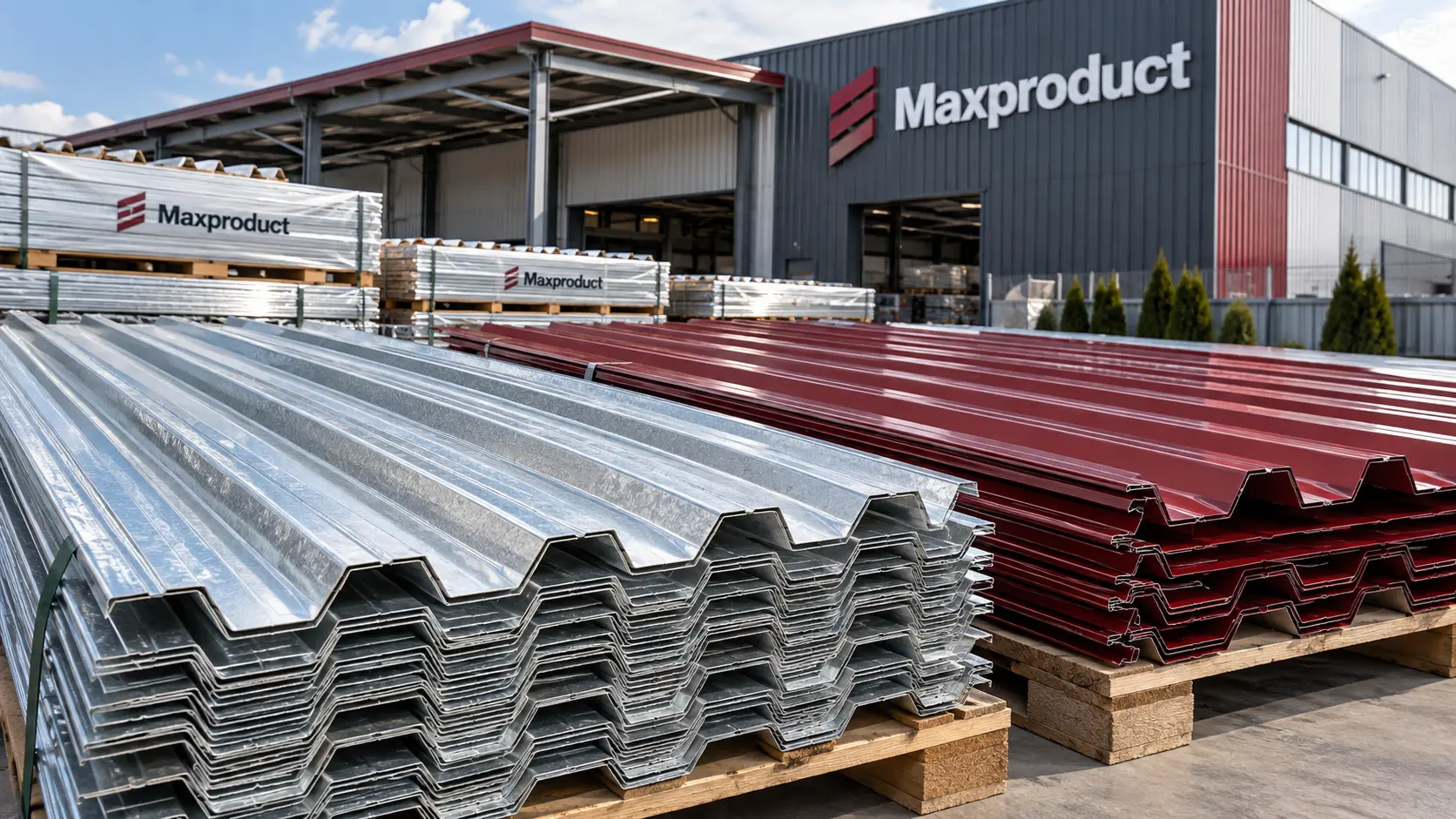
24Sep
Профнастил выпускают с защитным цинковым слоем и дополнительным полимерным покрытием. Оба варианта имеют стальную основу и подходят для разных строительных задач, но отличаются устойчивостью к внешней среде, внешним видом и особенностями эксплуатации. Поэтому выбирать материал стоит с учетом места монтажа и требований к конструкции. В чем разница между покрытиями Оцинкованный профнастил представляет собой стальной лист, […]
ПерейтиCorrugated sheet metal is suitable for roofs with different structural and operational requirements. However, you shouldn’t rely solely on the appearance or price of the sheet: the rigidity, load‑bearing capacity, and service life of the roof depend on the thickness of the steel, the height of the profile, and the protective coating. The right choice […]
Перейти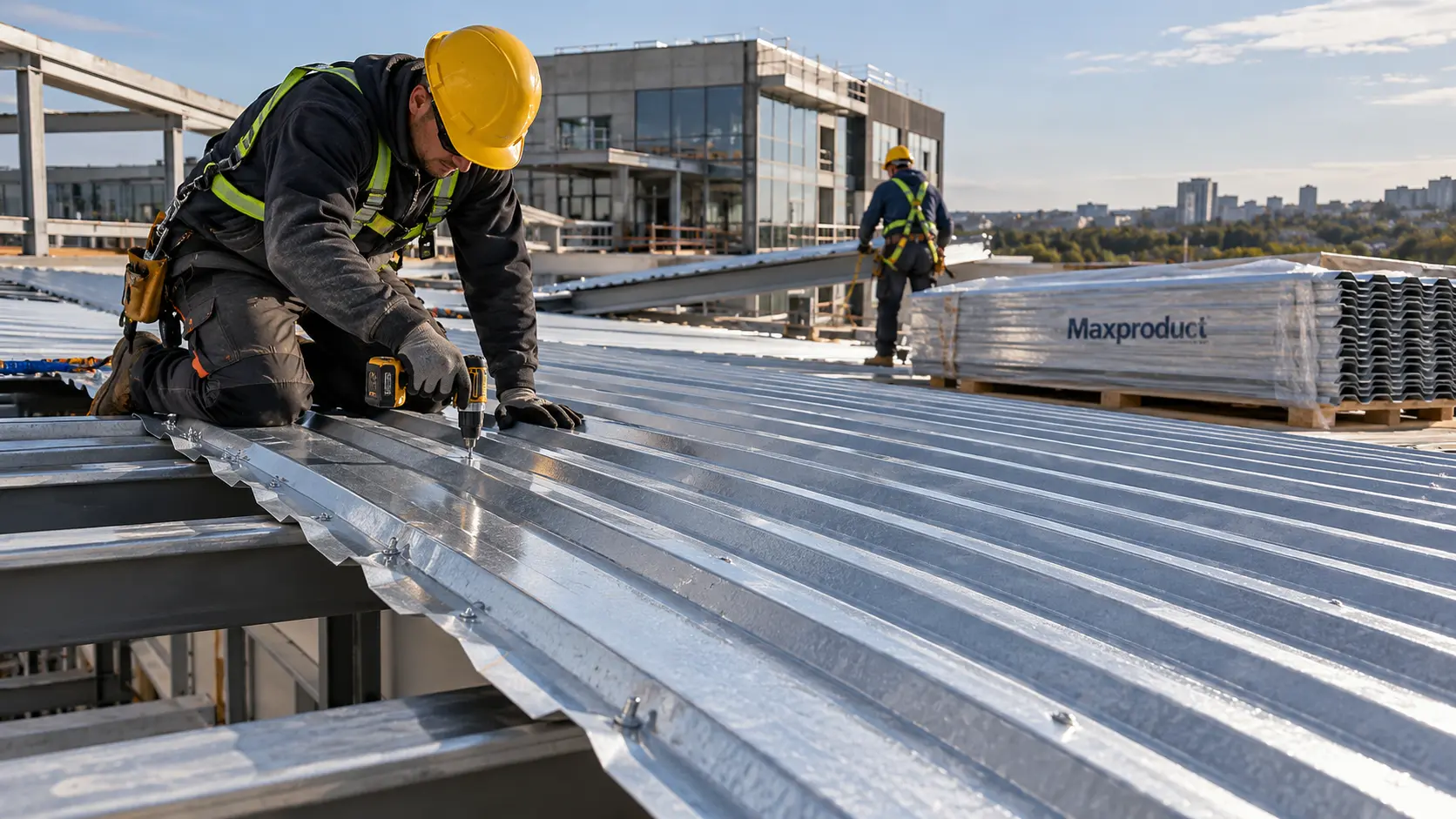
24Sep

24Sep
When constructing an industrial building, the walls must provide strength, thermal insulation, protection from the external environment, and ease of use. In practice, the choice often comes down to two solutions: concrete walls and sandwich panels. They should be compared based on construction time, load on the foundation, and operating conditions. h2 Concrete walls: advantages […]
Перейти


