


Mirzo Ulug‘bek
tumani, Mirzo Ulug‘bek shoh ko‘chasi, 25-uy


Mirzo Ulug‘bek
tumani, Mirzo Ulug‘bek shoh ko‘chasi, 25-uy



24Dec

Choosing the optimal thickness of enclosure materials directly affects the reliability and cost-effectiveness of future construction. When using sandwich panels for prefabricated buildings, it is important to consider the purpose of the facility and operating conditions in advance so that the structure will serve long and effectively. A properly selected sandwich panel allows you to balance thermal insulation, strength, and cost, which is especially important for commercial and industrial projects in Tashkent.
Selecting the thickness begins with understanding the tasks that each panel must perform in a specific project. The type of building, climatic loads, and energy efficiency requirements are taken into account. Mistakes at this stage can lead to overspending or problems during operation.
Before making a final decision, it is necessary to focus on the key selection criteria:
A competent approach allows you to choose a solution in which the thickness of the material corresponds to the actual loads. As a result, the facility receives stable characteristics without excessive costs.
Thickness is directly related to technical and operational factors. It is influenced not only by the climate, but also by the internal processes that will take place inside the building. For example, heat-generating production requires different parameters than warehouse storage.
Functional purpose also plays a significant role, since sandwich panels for industrial buildings must withstand intensive equipment operation. At the same time, sandwich panels for warehouses are selected taking into account temperature stability and logistical loads. When it comes to sandwich panels for hangars, resistance to temperature changes and wind exposure is important. For commercial facilities, such as stores, visitor comfort requirements are relevant, so sandwich panels for retail spaces often have average thicknesses.
Refrigeration solutions should be considered separately. Sandwich panels for cold rooms and freezers require increased thickness to minimize heat loss. Here, the cost of the material is offset by lower operating costs.
There are proven recommendations for thickness for different types of buildings, based on practice and regulatory requirements. They allow you to strike a balance between reliability and project economics.
Before choosing specific parameters, it is useful to consider the following application options:
Materials such as sandwich panels are widely used in international practice, as confirmed by reviews of industry projects. Maxproduct, a company focused on producing high-quality panels, offers optimal solutions for every project. This allows for fast and reliable project implementation, where the use of modern materials pays off at all stages of operation.
 Читайте также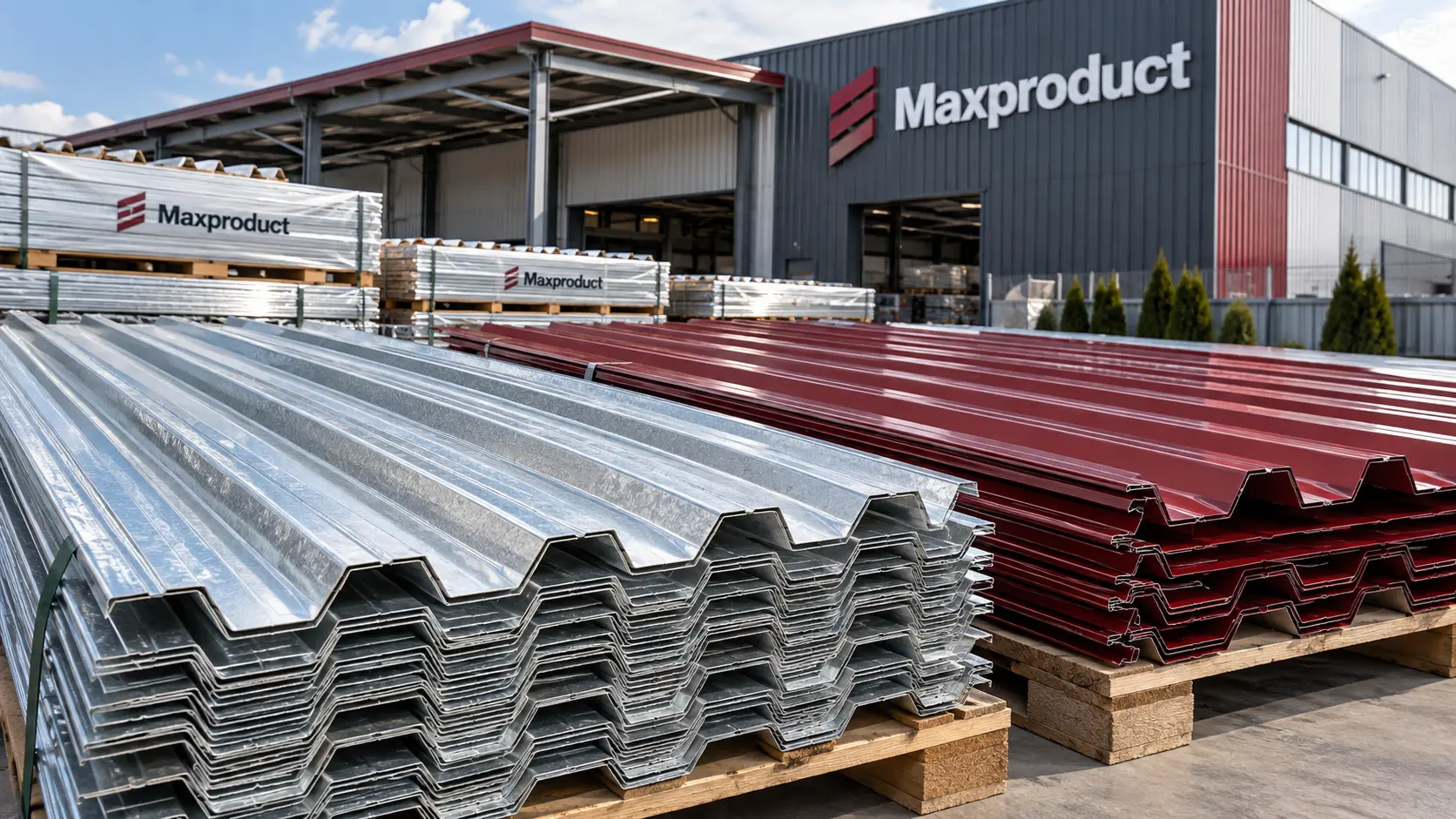
24Sep
Профнастил выпускают с защитным цинковым слоем и дополнительным полимерным покрытием. Оба варианта имеют стальную основу и подходят для разных строительных задач, но отличаются устойчивостью к внешней среде, внешним видом и особенностями эксплуатации. Поэтому выбирать материал стоит с учетом места монтажа и требований к конструкции. В чем разница между покрытиями Оцинкованный профнастил представляет собой стальной лист, […]
ПерейтиCorrugated sheet metal is suitable for roofs with different structural and operational requirements. However, you shouldn’t rely solely on the appearance or price of the sheet: the rigidity, load‑bearing capacity, and service life of the roof depend on the thickness of the steel, the height of the profile, and the protective coating. The right choice […]
Перейти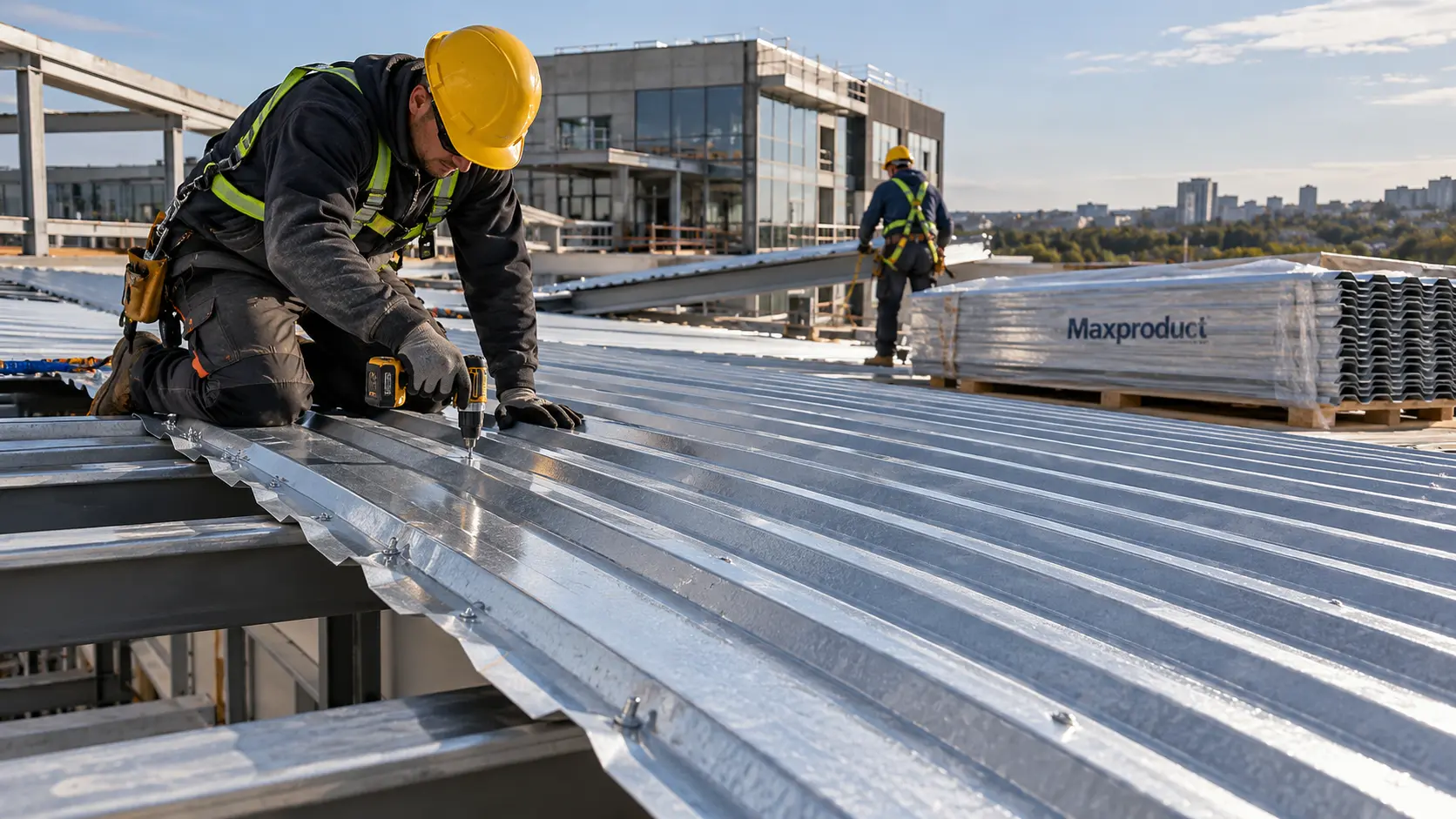
24Sep
24Sep
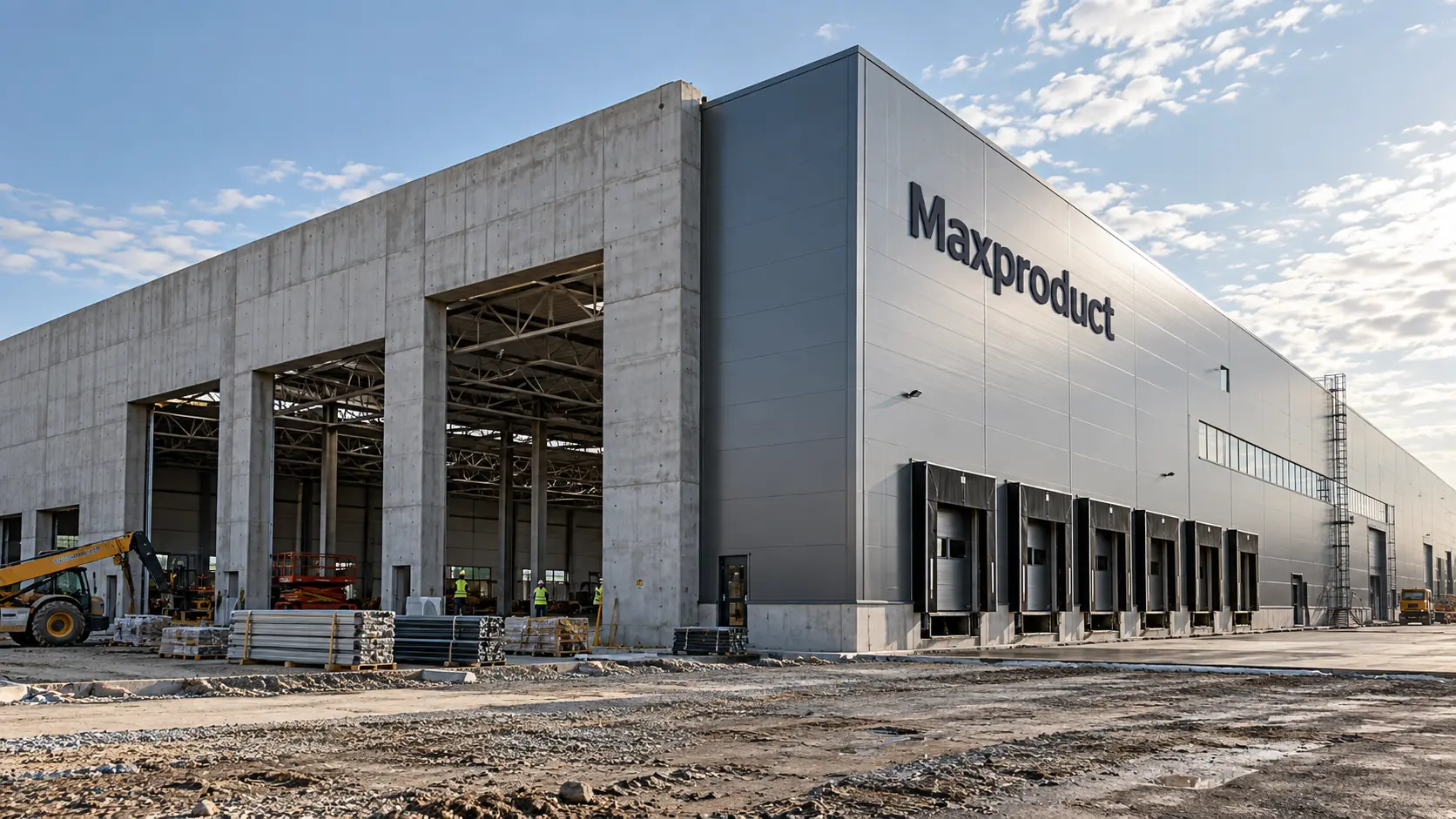
When constructing an industrial building, the walls must provide strength, thermal insulation, protection from the external environment, and ease of use. In practice, the choice often comes down to two solutions: concrete walls and sandwich panels. They should be compared based on construction time, load on the foundation, and operating conditions. h2 Concrete walls: advantages […]
Перейти


