


Mirzo Ulug‘bek
tumani, Mirzo Ulug‘bek shoh ko‘chasi, 25-uy


Mirzo Ulug‘bek
tumani, Mirzo Ulug‘bek shoh ko‘chasi, 25-uy



10Apr

Sandwich panels are innovative structural materials consisting of three layers: two outer coatings and internal insulation. They are used in construction to create strong, thermally insulated and lightweight walls, roofs and ceilings. Sandwich panels are used in both industrial and private construction, due to their high stability, strength and energy saving. These properties can be obtained thanks to highly efficient production technology. It will be discussed in our article.
The manufacture of sandwich panels is a technologically complex procedure that includes several stages. They can be characterized as follows:
Only a general description of the process is presented here. If you have any questions about the details of the production of sandwich panels, use the help of MaxProduct specialists (the phone number is listed on the website). However, we recommend that you first read the section where you may find the information you are interested in.
What are sandwich panels made of? “They are made of metal sheets and insulation, such as polyurethane foam, mineral wool or foam.
What sandwich panel production technologies are used today? “The basic production technology includes the preparation of materials, the application of an adhesive, insulation, the application of a second layer of metal, pressing, aging, cutting and processing. However, depending on the type of product, changes may be made to the procedure.
What are the stages of production of laminated panels? “The stages of production include the preparation of materials, the application of adhesives, insulation, the application of a second layer of metal, pressing, aging, cutting and processing.
What are the main components of a sandwich panel? “The main components of the product are two metal sheets and an internal insulation layer, fastened together with an adhesive composition.
 Читайте также
24Sep
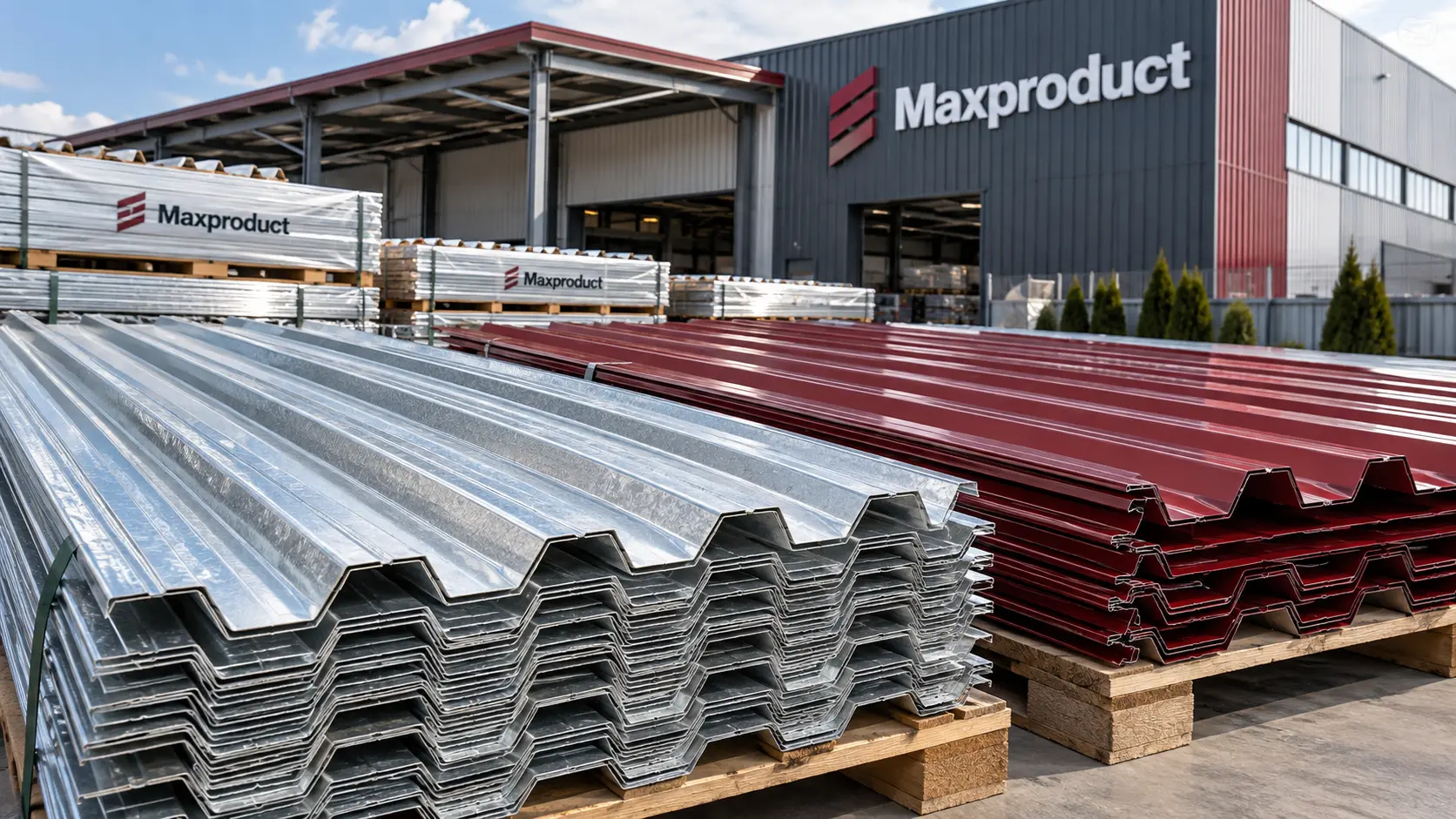
Профнастил выпускают с защитным цинковым слоем и дополнительным полимерным покрытием. Оба варианта имеют стальную основу и подходят для разных строительных задач, но отличаются устойчивостью к внешней среде, внешним видом и особенностями эксплуатации. Поэтому выбирать материал стоит с учетом места монтажа и требований к конструкции. В чем разница между покрытиями Оцинкованный профнастил представляет собой стальной лист, […]
ПерейтиCorrugated sheet metal is suitable for roofs with different structural and operational requirements. However, you shouldn’t rely solely on the appearance or price of the sheet: the rigidity, load‑bearing capacity, and service life of the roof depend on the thickness of the steel, the height of the profile, and the protective coating. The right choice […]
Перейти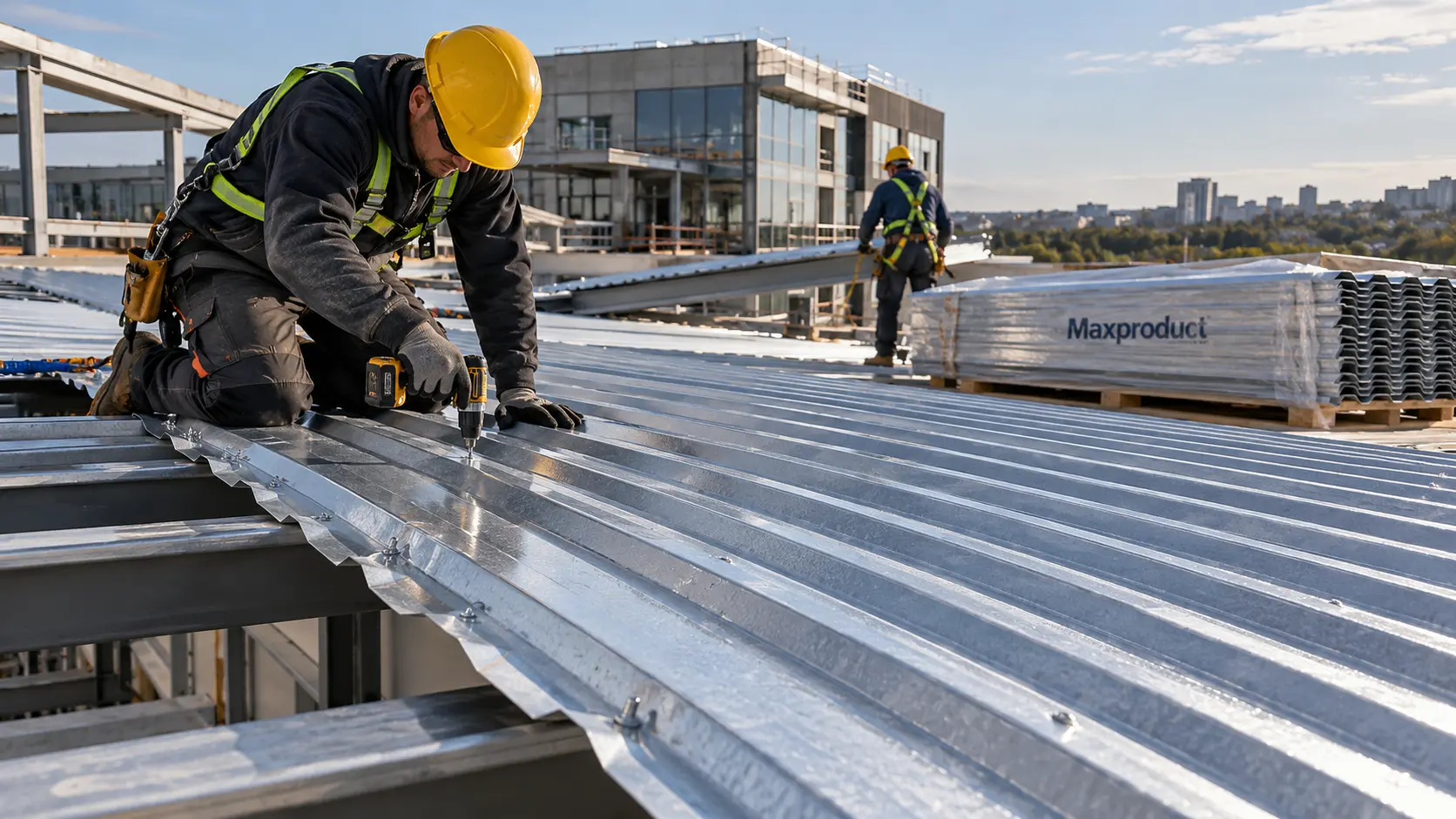
24Sep
24Sep
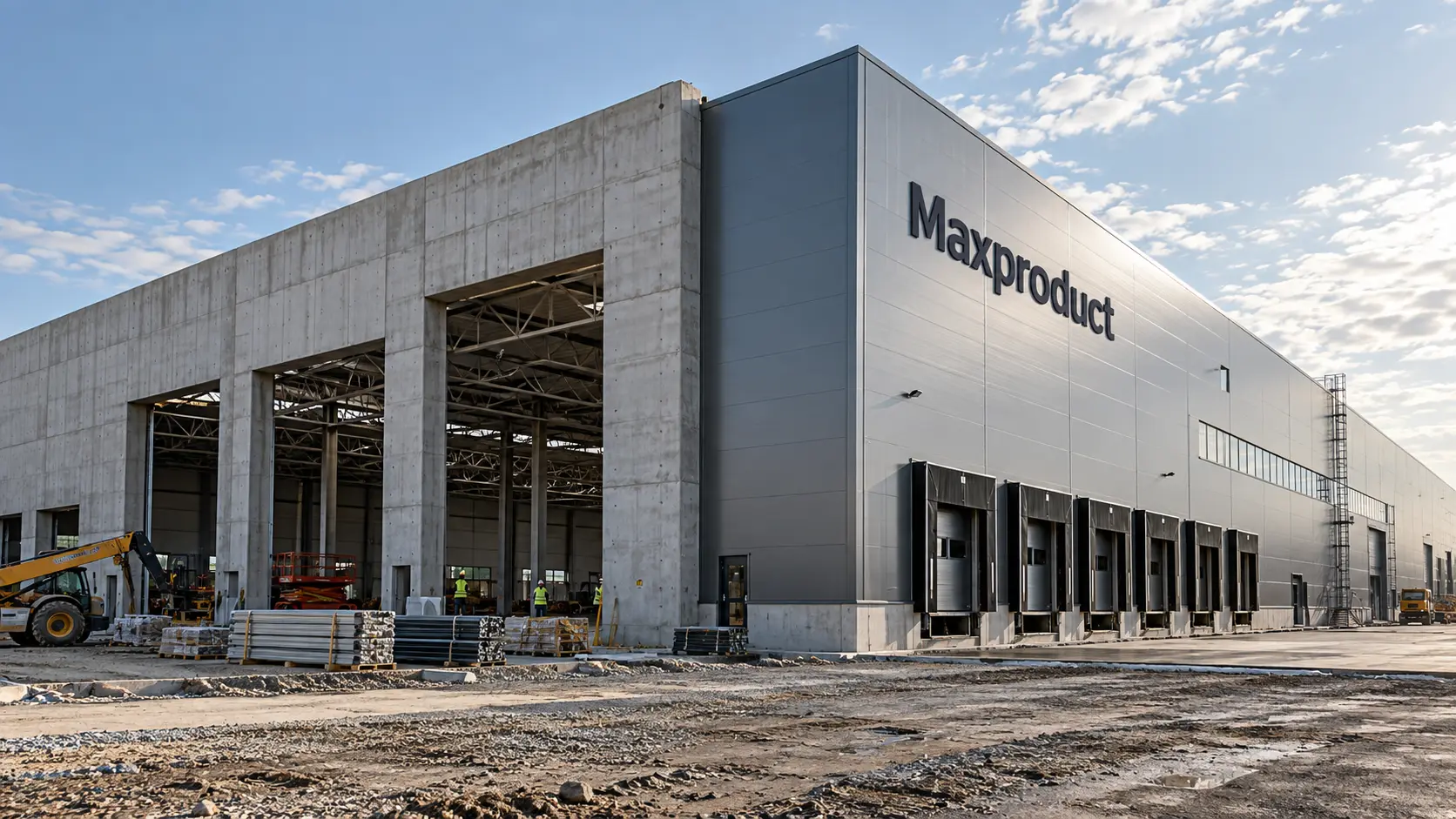
When constructing an industrial building, the walls must provide strength, thermal insulation, protection from the external environment, and ease of use. In practice, the choice often comes down to two solutions: concrete walls and sandwich panels. They should be compared based on construction time, load on the foundation, and operating conditions. h2 Concrete walls: advantages […]
Перейти


