


Mirzo Ulug‘bek
tumani, Mirzo Ulug‘bek shoh ko‘chasi, 25-uy


Mirzo Ulug‘bek
tumani, Mirzo Ulug‘bek shoh ko‘chasi, 25-uy



09Apr

Modern construction technologies make it possible to use innovative materials for finishing window and door openings. Sandwich panels for slopes are one such solution, providing aesthetic appearance, durability and excellent thermal insulation properties. Thanks to their multi-layer structure, they protect slopes from cold, moisture and mechanical damage, which makes them a popular choice in repair and construction.
Features of sandwich panels for slopes
The material presented in our article is a three-layer structure consisting of two external facing layers and internal insulation. Plastic or aluminum sheets are usually used as cladding, and expanded polystyrene or polyurethane foam is used as a filler. This combination provides strength, lightness and a high level of thermal insulation. Advantages of using sandwich panels in the design of jambs:
Heat and sound insulation. The panels help to retain heat in the room, reducing losses through window and door openings, as well as reducing the penetration of noise from the street.
Moisture resistance. The materials used in production are resistant to moisture and are not subject to deformation due to temperature changes.
Easy to install. Due to its low weight and user-friendly design, installation takes a minimum of time.
Longevity. The panels retain their characteristics for many years without requiring complex maintenance.
In addition, the material is characterized by aesthetics. A variety of colors and textures allows you to choose panels for any interior.
Stages of installing sandwich panels for slopes
To achieve a high-quality result, it is important to follow the installation technology. Installation of sandwich panels for slopes includes several consecutive stages:
Surface preparation. Before installation, it is necessary to clean the opening from construction dust, remnants of old decoration and level the surface.
Measuring and slicing. The panels are adjusted to the size of the slopes using a construction knife or jigsaw. It is important to take into account the thickness of the material and the features of the opening.
Installation of guides. To fix the panels, starter profiles are installed, which ensure even fastening.
Fastening the panels. The finished elements are inserted into the guides and fixed using liquid nails or assembly foam.
Processing of joints. After installing the jambs, the joints are filled with sealant or special sealing tapes to prevent moisture penetration.
Finishing. The final step is to remove the protective film and clean the surface from possible dirt.
Proper installation allows not only to improve the appearance of openings, but also to significantly extend the service life of sandwich panels. They create additional protection from drafts and moisture, making the room more comfortable.
 Читайте также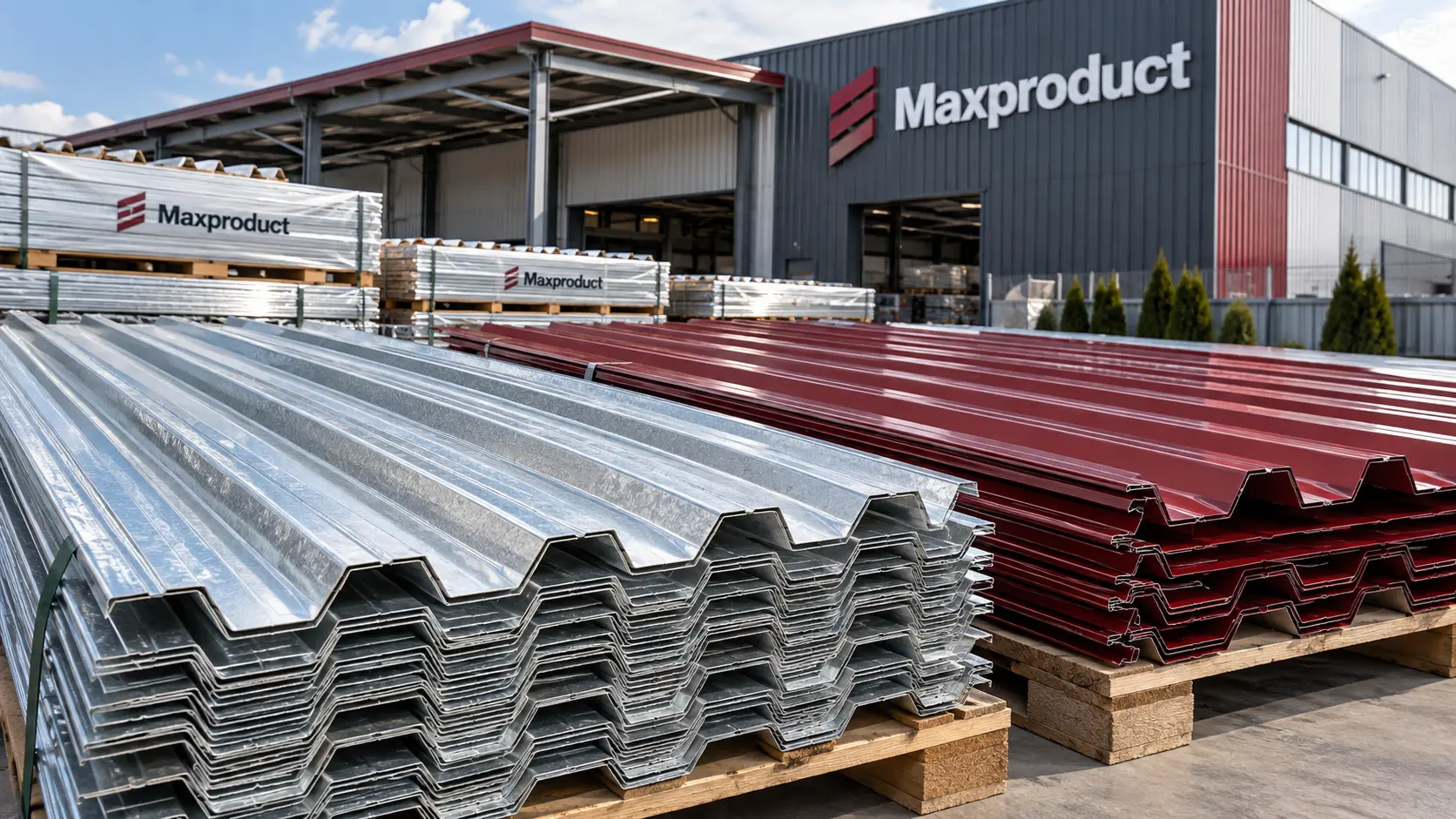
24Sep
Профнастил выпускают с защитным цинковым слоем и дополнительным полимерным покрытием. Оба варианта имеют стальную основу и подходят для разных строительных задач, но отличаются устойчивостью к внешней среде, внешним видом и особенностями эксплуатации. Поэтому выбирать материал стоит с учетом места монтажа и требований к конструкции. В чем разница между покрытиями Оцинкованный профнастил представляет собой стальной лист, […]
ПерейтиCorrugated sheet metal is suitable for roofs with different structural and operational requirements. However, you shouldn’t rely solely on the appearance or price of the sheet: the rigidity, load‑bearing capacity, and service life of the roof depend on the thickness of the steel, the height of the profile, and the protective coating. The right choice […]
Перейти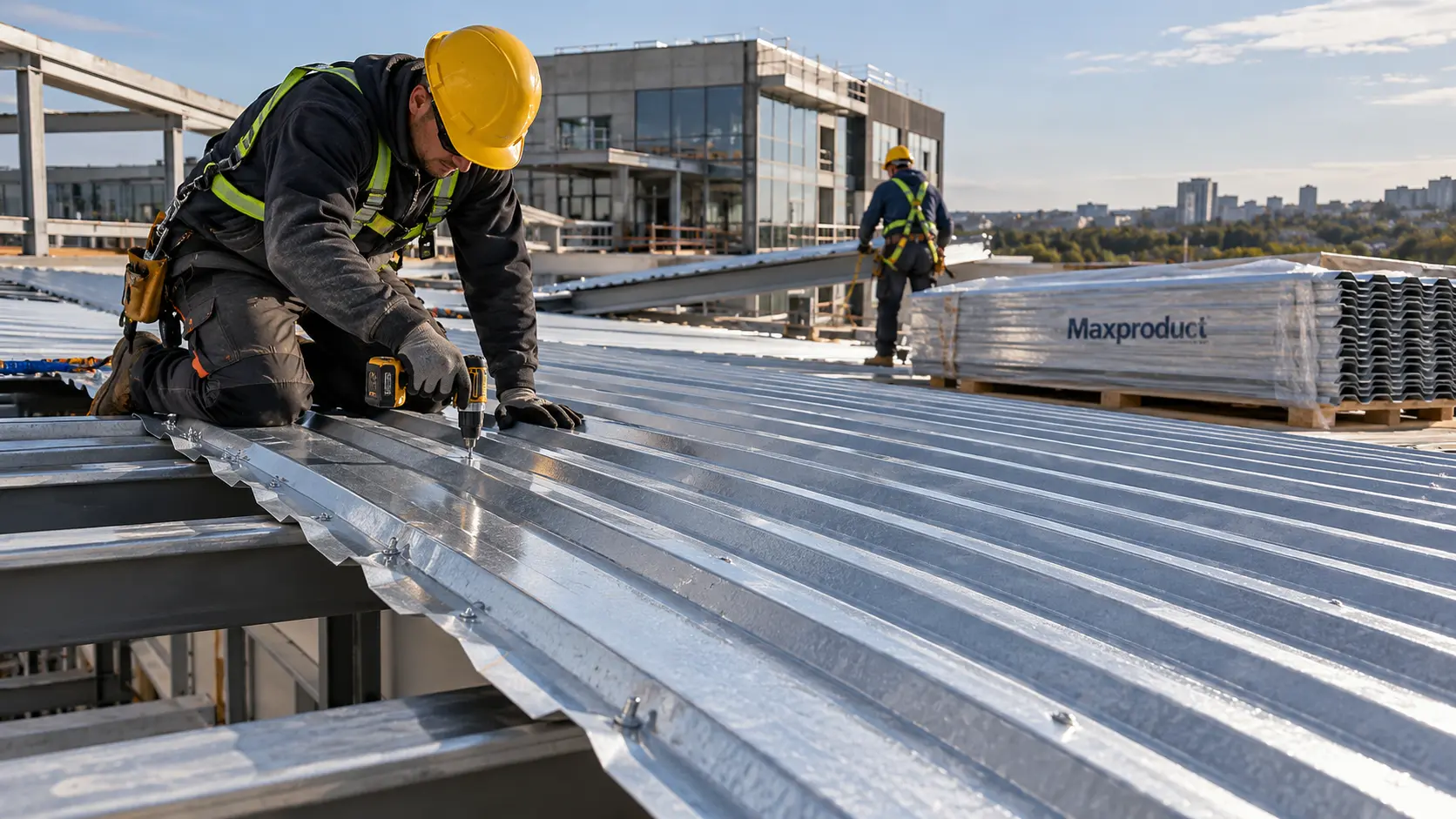
24Sep
24Sep
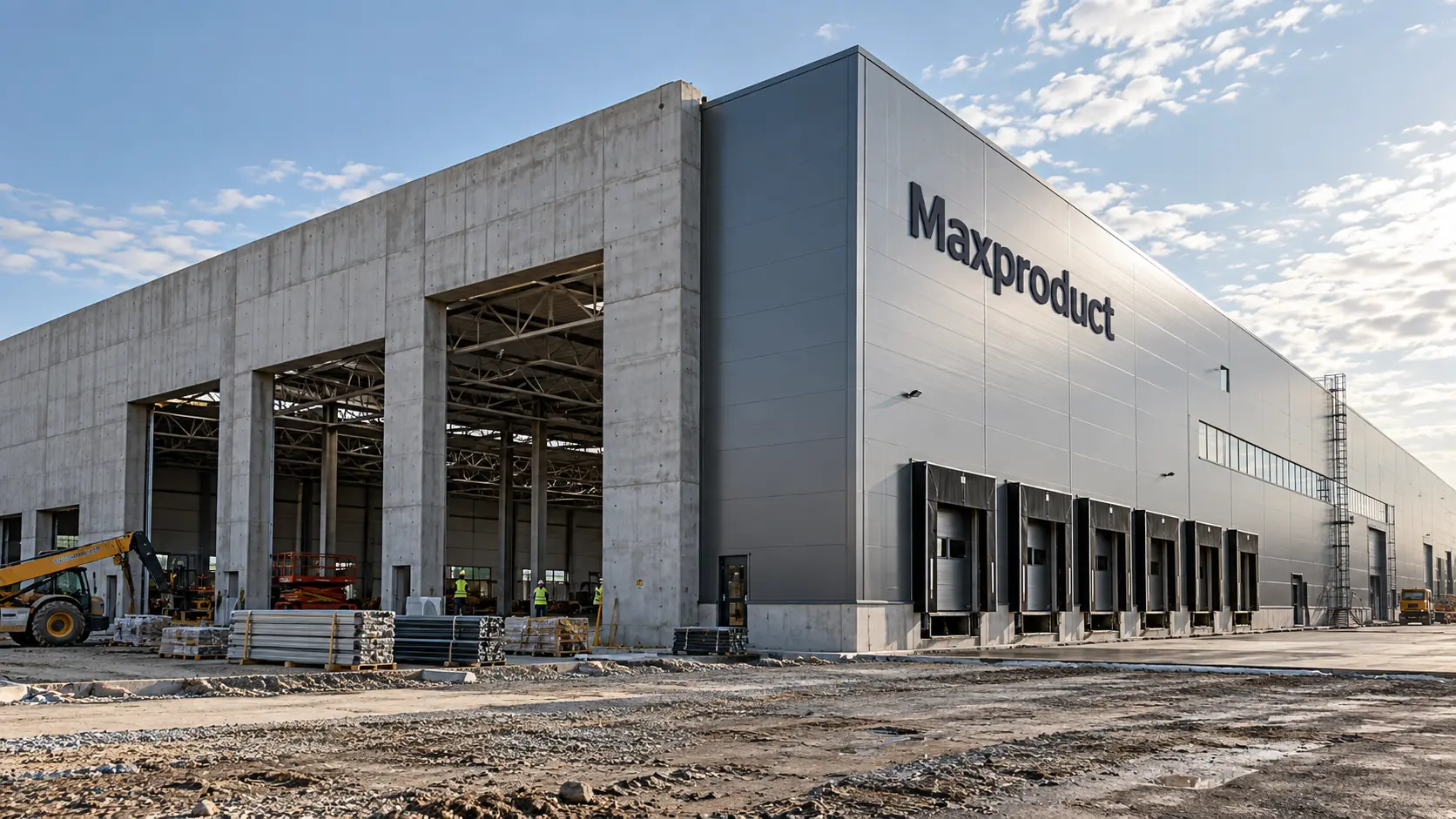
When constructing an industrial building, the walls must provide strength, thermal insulation, protection from the external environment, and ease of use. In practice, the choice often comes down to two solutions: concrete walls and sandwich panels. They should be compared based on construction time, load on the foundation, and operating conditions. h2 Concrete walls: advantages […]
Перейти


