


Mirzo Ulug‘bek
tumani, Mirzo Ulug‘bek shoh ko‘chasi, 25-uy


Mirzo Ulug‘bek
tumani, Mirzo Ulug‘bek shoh ko‘chasi, 25-uy



11Nov

Modern three-layer wall panels are becoming the foundation of quickly erected buildings due to their high strength, energy efficiency, and ease of installation. Their strong structure and precise geometry ensure reliable thermal insulation and resistance to loads. The Maxproduct assortment includes a three-layer sandwich wall panel. We can also select three-layer roof sandwich panels, taking into account your project parameters and operational features.
Each panel has three layers: outer and inner metal sheets, between which there is an insulator. Such a design forms a strong but lightweight product resistant to temperature fluctuations and moisture. Mineral insulation – cotton, which has high fire resistance and low thermal conductivity, is used as a thermal insulation material.
The density of sandwich panels determines their load-bearing capacity and resistance to mechanical impacts. The thickness of sandwich panels is selected taking into account the purpose of the building and climatic conditions. For industrial facilities, panels with increased density are used, and for warehouses and offices, panels with optimal mass-to-heat ratio are used.
Lock joints ensure the tight fit of the panels, protecting the joints from moisture and heat loss. The type of lock depends on the installation direction, panel thickness, and purpose. Several fixation options are distinguished:
The lock system directly affects the service life and energy efficiency of the building. When choosing, it is important to consider the type of structure and the material of the supporting frame to avoid deformation during temperature fluctuations.
Sandwich panel fastening is used for installation. The sandwich panel self-cutter has a sealing washer that protects against leaks and corrosion. It is secured through a metal sheet to the supporting beam, ensuring a secure connection.
When installing, it is important to monitor the distance between fasteners and avoid excessive pressure on the surface. Sandwich panel elements must be installed without gaps, especially in the joints and corners. To calculate the number of fasteners, panel length, and total loads, you can use an online calculator that helps optimize the sandwich panel calculation for a specific object.
The three-layer structure combines the functions of insulation, facing, and load-bearing protection, replacing several construction operations. Such a panel withstands significant loads, maintaining a smooth surface and stable dimensions. The steel sheet used has an anti-corrosion coating that ensures durability even when used outdoors.
The main advantages of three-layer panels include:
Such a design is suitable for buildings of any purpose – from production complexes to shopping centers.
When choosing, it is important to consider the purpose of the object, the climate, and the type of roof. For rooms with increased humidity, panels with anti-corrosion coating are suitable, and for facade systems, models with decorative facing are suitable. The optimal width and length of the panels should also be calculated to minimize the number of joints and simplify installation.
When designing an object, it is worth determining in advance which type of panel will be used – wall or roof panel, as well as selecting suitable shaped elements. Maxproduct consultants will help you choose the right option for density, thickness, and thermal conductivity parameters. The company offers high-quality panels made of durable metal at reasonable prices, as well as professional installation, ensuring the tightness and reliability of the finished building.
 Читайте также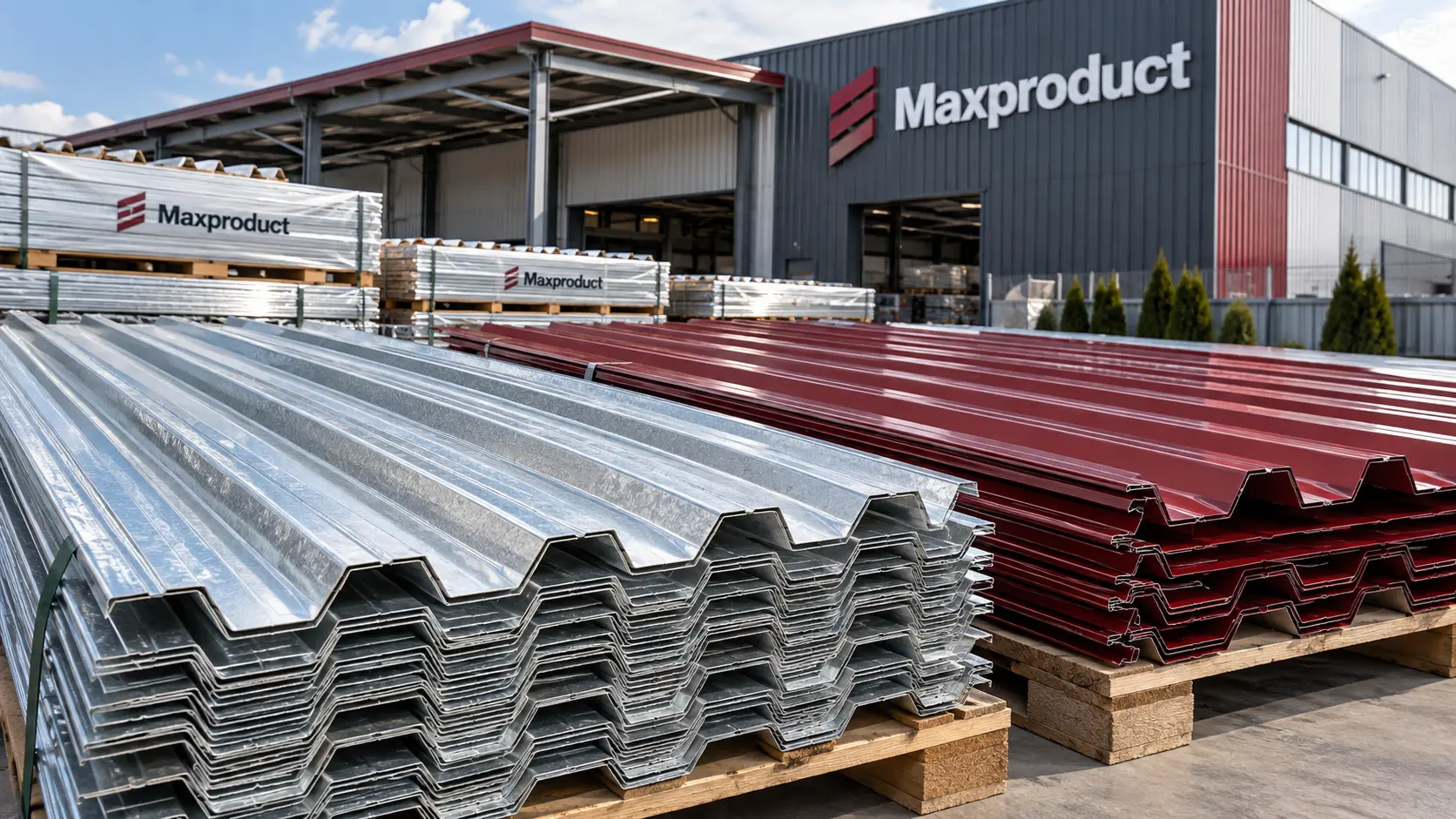
24Sep
Профнастил выпускают с защитным цинковым слоем и дополнительным полимерным покрытием. Оба варианта имеют стальную основу и подходят для разных строительных задач, но отличаются устойчивостью к внешней среде, внешним видом и особенностями эксплуатации. Поэтому выбирать материал стоит с учетом места монтажа и требований к конструкции. В чем разница между покрытиями Оцинкованный профнастил представляет собой стальной лист, […]
ПерейтиCorrugated sheet metal is suitable for roofs with different structural and operational requirements. However, you shouldn’t rely solely on the appearance or price of the sheet: the rigidity, load‑bearing capacity, and service life of the roof depend on the thickness of the steel, the height of the profile, and the protective coating. The right choice […]
Перейти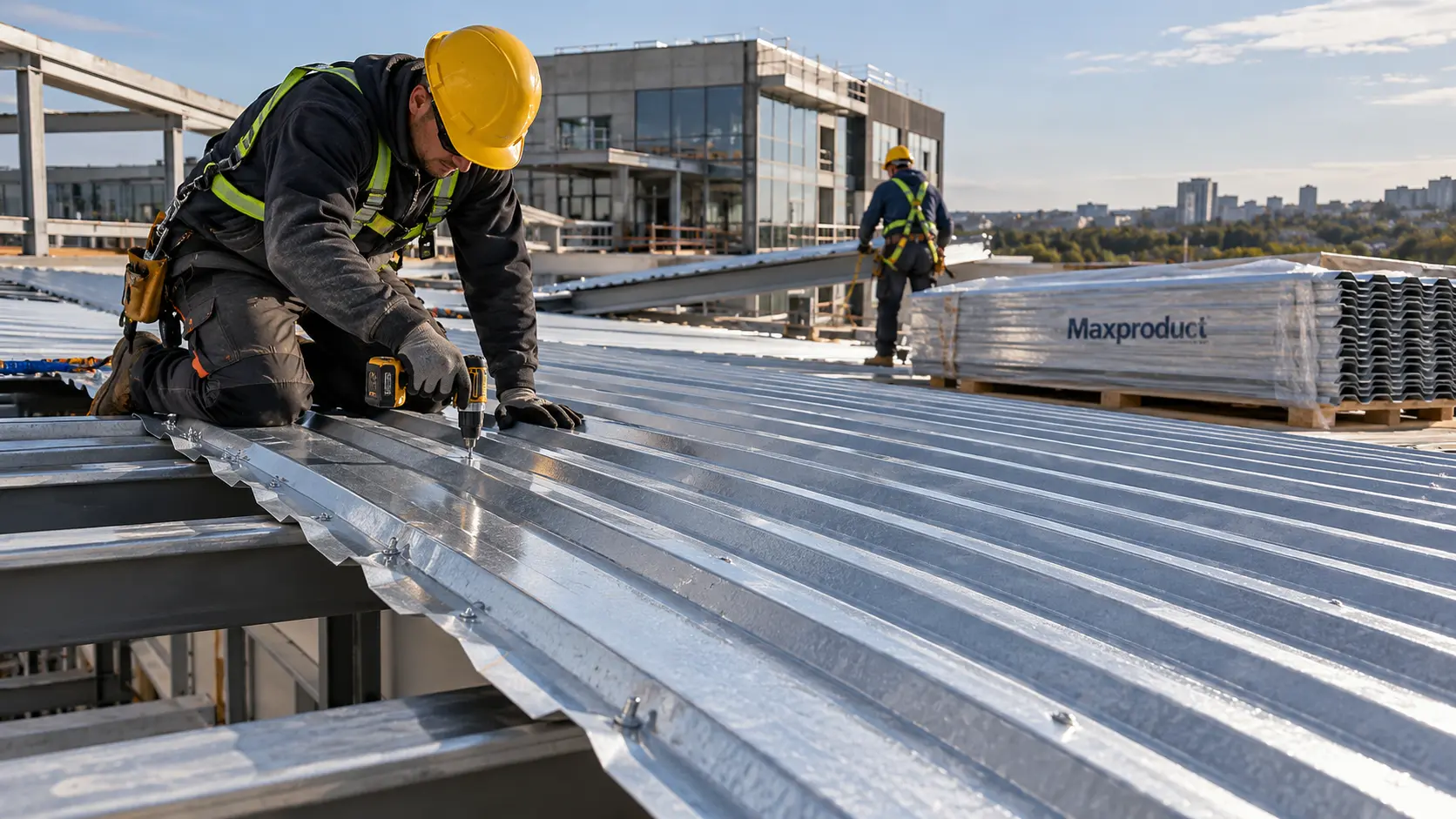
24Sep
24Sep
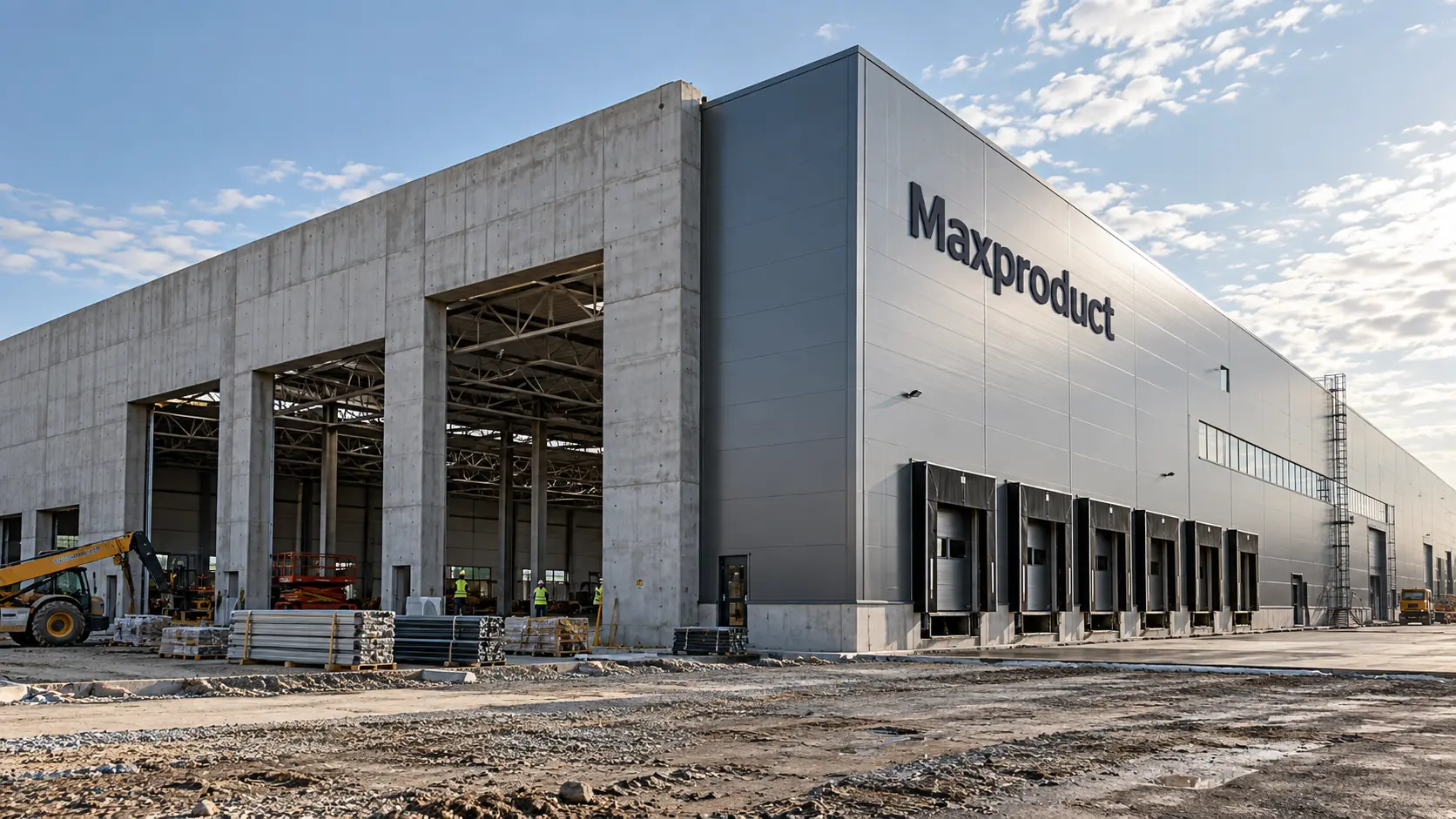
When constructing an industrial building, the walls must provide strength, thermal insulation, protection from the external environment, and ease of use. In practice, the choice often comes down to two solutions: concrete walls and sandwich panels. They should be compared based on construction time, load on the foundation, and operating conditions. h2 Concrete walls: advantages […]
Перейти


